

Introduction:
The Mediterranean diet is renowned for its health benefits and delicious flavors, drawing inspiration from the traditional eating habits of countries bordering the Mediterranean Sea. This diet emphasizes whole foods, healthy fats, and a variety of fresh ingredients. When it comes to breakfast, it offers a plethora of options that not only satisfy hunger but also promote overall well-being. In this article, we will explore the principles of the Mediterranean diet, the nutritional benefits of breakfast choices, essential food groups to include, sample recipes, meal prep strategies, and common pitfalls to avoid.
Understanding the Mediterranean Diet: Key Principles Explained
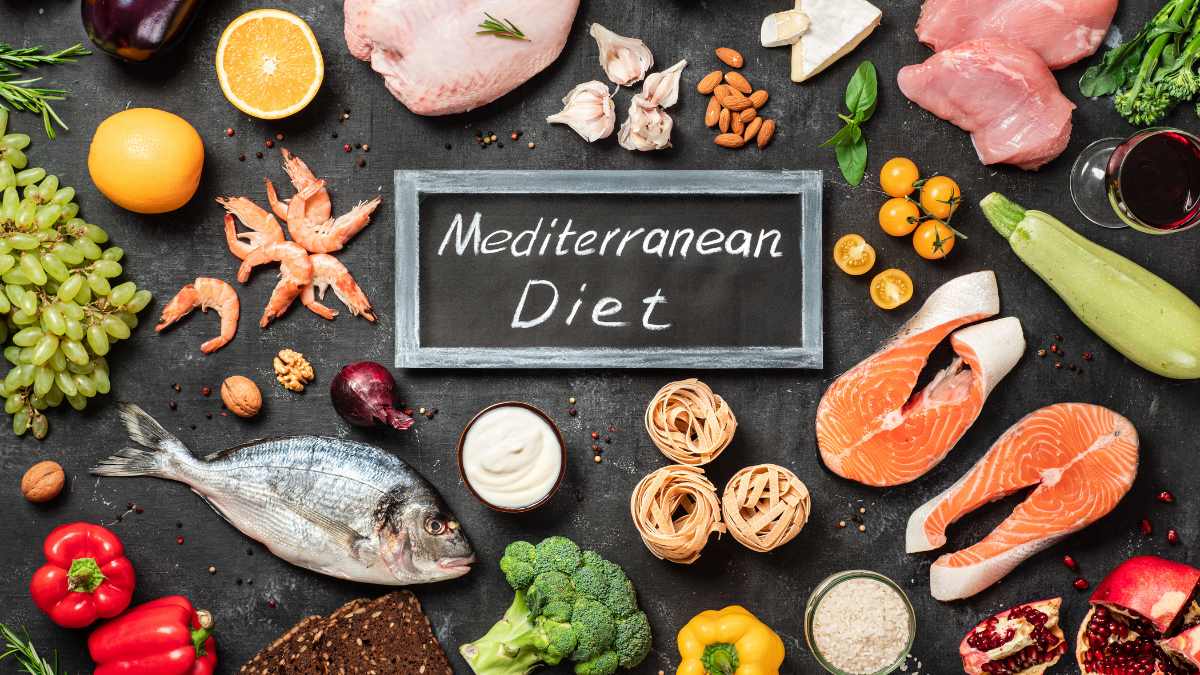
The Mediterranean diet is characterized by its focus on whole, minimally processed foods. It encourages the consumption of fruits, vegetables, whole grains, legumes, nuts, and seeds, while emphasizing healthy fats, particularly olive oil. This dietary pattern is low in red meat and processed foods, making it a sustainable and heart-healthy choice. The diet also promotes moderate consumption of fish and poultry, along with dairy products, primarily in the form of yogurt and cheese.
One of the fundamental principles of the Mediterranean diet is the concept of eating in moderation. This means enjoying foods in appropriate portions and savoring meals with family and friends. This social aspect of dining is crucial, as it fosters a sense of community and encourages mindful eating practices. Additionally, the Mediterranean diet places a strong emphasis on seasonal and local produce, which not only enhances flavor but also supports sustainable agriculture.
Another key aspect of this diet is the incorporation of herbs and spices instead of salt for flavoring. This not only elevates the taste of dishes but also adds various health benefits associated with these natural ingredients. Furthermore, the Mediterranean diet encourages regular physical activity, which is an integral part of maintaining a healthy lifestyle.
In summary, the Mediterranean diet is more than just a way of eating; it is a holistic approach to health and well-being. By understanding its key principles, individuals can make informed choices about their breakfast options that align with this nutritious dietary pattern.
Nutritional Benefits of a Mediterranean Breakfast Selection
Breakfast is often referred to as the most important meal of the day, and in the context of the Mediterranean diet, it is no exception. A Mediterranean breakfast is rich in essential nutrients, providing a balanced mix of carbohydrates, proteins, and healthy fats. This combination helps to stabilize blood sugar levels, providing sustained energy throughout the morning.
One of the standout features of a Mediterranean breakfast is its high fiber content, primarily derived from whole grains, fruits, and vegetables. Fiber is essential for digestive health, promoting regular bowel movements and preventing constipation. It also plays a role in maintaining a healthy weight, as it helps individuals feel fuller for longer periods, reducing the likelihood of overeating later in the day.
Moreover, the inclusion of healthy fats, such as those found in olive oil, nuts, and seeds, contributes to cardiovascular health. These fats are known to lower bad cholesterol levels and reduce the risk of heart disease. Additionally, the Mediterranean diet is rich in antioxidants, vitamins, and minerals, which are crucial for overall health and can help combat inflammation and oxidative stress.
In essence, a Mediterranean breakfast not only nourishes the body but also supports long-term health. By focusing on nutrient-dense foods, individuals can enjoy a meal that is both satisfying and beneficial to their overall well-being.
Essential Food Groups for a Balanced Mediterranean Breakfast
To create a balanced Mediterranean breakfast, it is important to incorporate a variety of food groups. Fruits and vegetables should be at the forefront, providing essential vitamins, minerals, and antioxidants. Fresh fruits such as berries, oranges, and apples can be enjoyed on their own or added to yogurt or oatmeal. Leafy greens and other vegetables can be included in omelets or as part of a savory breakfast bowl.
Whole grains are another vital component of a Mediterranean breakfast. Options such as whole grain bread, oatmeal, or quinoa provide complex carbohydrates that release energy slowly, helping to keep hunger at bay. Whole grains are also rich in fiber, which is beneficial for digestive health and can aid in weight management.
In addition to fruits, vegetables, and whole grains, incorporating healthy proteins is essential. This can include Greek yogurt, eggs, or legumes such as chickpeas. These protein sources not only provide satiety but also support muscle health and repair. Furthermore, adding a handful of nuts or seeds can enhance the nutritional profile of the meal, providing healthy fats and additional protein.
Finally, healthy fats, particularly from olive oil, should be included in a Mediterranean breakfast. Drizzling olive oil over vegetables or using it in cooking can enhance flavor while contributing to heart health. By combining these essential food groups, individuals can create a well-rounded Mediterranean breakfast that supports their health and well-being.
Sample Breakfast Options: Recipes and Nutritional Insights
Creating a Mediterranean breakfast can be both simple and delicious. One popular option is a Greek yogurt parfait. Layer Greek yogurt with fresh berries, a drizzle of honey, and a sprinkle of granola. This meal is rich in protein, antioxidants, and healthy fats, making it a satisfying choice to start the day.
Another great option is a vegetable omelet. Whisk together eggs and pour them into a heated skillet, adding spinach, tomatoes, and feta cheese. This dish is packed with protein and nutrients, providing a hearty meal that will keep you energized. Pair it with a slice of whole grain toast for added fiber.
For those who prefer something sweet, consider oatmeal topped with nuts and fruits. Cook rolled oats in water or milk, and top with sliced bananas, walnuts, and a sprinkle of cinnamon. This breakfast is not only filling but also offers a great balance of carbohydrates, protein, and healthy fats.
Lastly, a Mediterranean breakfast bowl can be a versatile option. Combine cooked quinoa, diced cucumbers, cherry tomatoes, olives, and a poached egg, drizzled with olive oil and lemon juice. This dish is rich in nutrients and flavors, providing a satisfying start to the day.
Meal Prep Strategies for Mediterranean Breakfast Success
Meal prepping is an effective way to ensure that you can enjoy Mediterranean breakfasts even on busy mornings. One strategy is to prepare overnight oats. Combine rolled oats with yogurt or milk, and let them soak overnight in the refrigerator. In the morning, simply add your favorite toppings, such as fruits and nuts, for a quick and nutritious meal.
Another useful approach is to batch-cook vegetable omelets or frittatas. Prepare a large frittata with seasonal vegetables and cut it into portions. Store these in the refrigerator for easy access throughout the week. Simply reheat a slice in the morning for a protein-packed breakfast.
Additionally, consider pre-portioning snack bags of nuts and dried fruits. These can serve as quick breakfast options when paired with yogurt or as a mid-morning snack. Having healthy snacks readily available can help you avoid unhealthy choices when hunger strikes.
Lastly, keep a supply of whole grain bread or wraps on hand. You can quickly assemble a breakfast sandwich or wrap with ingredients like avocado, eggs, or hummus. This flexibility allows for a variety of breakfast options while adhering to the Mediterranean diet.
Common Mistakes to Avoid on a Mediterranean Breakfast Plan
While the Mediterranean diet offers numerous health benefits, there are common mistakes that individuals may encounter when planning their breakfasts. One of the most prevalent errors is relying too heavily on processed foods. Many people may opt for convenience items such as sugary cereals or pastries, which do not align with the principles of the Mediterranean diet. It is essential to prioritize whole, unprocessed foods for optimal health.
Another mistake is neglecting the importance of portion control. Even healthy foods can contribute to weight gain if consumed in excessive amounts. It is crucial to be mindful of serving sizes and to listen to your body’s hunger cues. Practicing moderation is key to maintaining a balanced diet.
Additionally, some individuals may overlook the role of healthy fats in their breakfast. While it is important to limit saturated and trans fats, incorporating sources of healthy fats, such as olive oil, nuts, and avocados, is essential for overall health. Skipping these can lead to an imbalanced meal that lacks essential nutrients.
Lastly, failing to plan ahead can lead to poor breakfast choices. Without a meal prep strategy, individuals may resort to quick, unhealthy options when time is limited. By taking the time to prepare and plan, you can ensure that your breakfasts are not only nutritious but also aligned with the Mediterranean diet.
Conclusions:
Incorporating a Mediterranean breakfast into your daily routine can significantly enhance your overall health and well-being. By understanding the key principles of the Mediterranean diet, recognizing the nutritional benefits of breakfast, and utilizing essential food groups, you can create satisfying and nutritious meals. With the right meal prep strategies and an awareness of common pitfalls, you can enjoy the diverse flavors and health benefits that this diet has to offer. Embracing this lifestyle can lead to lasting improvements in both physical and mental health.
Read more
- Mediterranean Diet Basics – An overview of the Mediterranean diet, its principles, and health benefits.
- Nutritional Benefits of the Mediterranean Diet – A detailed study on the health benefits associated with the Mediterranean diet.
- Healthy Breakfast Ideas – A collection of Mediterranean breakfast recipes and ideas.
- Meal Prep for the Mediterranean Diet – Strategies and tips for meal prepping within the Mediterranean diet framework.
- Common Mistakes in the Mediterranean Diet – Insights into common pitfalls to avoid while following the Mediterranean diet.