

Introduction:
The Mediterranean diet is not just a way of eating; it’s a lifestyle that emphasizes the consumption of fresh, whole foods, particularly vegetables, fruits, whole grains, and healthy fats. Originating from the countries bordering the Mediterranean Sea, this dietary pattern is celebrated for its numerous health benefits, including reduced risk of chronic diseases, improved heart health, and enhanced longevity. Central to this diet are a variety of vegetables that provide essential nutrients, fiber, and antioxidants. Understanding which vegetables are integral to the Mediterranean diet can help individuals optimize their health while enjoying flavorful and vibrant meals.
Overview of the Mediterranean Diet and Its Benefits
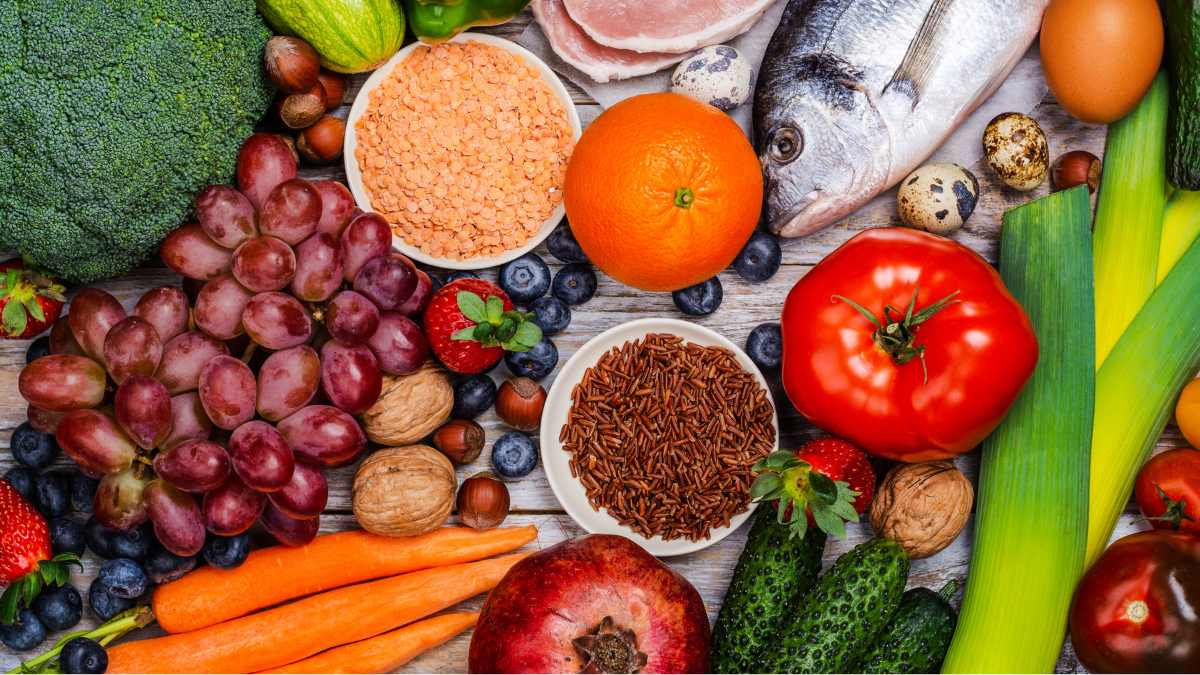
The Mediterranean diet is characterized by a high intake of plant-based foods, particularly vegetables, legumes, nuts, seeds, and whole grains, paired with moderate consumption of fish and poultry. Olive oil is the primary source of fat, while red meat and sweets are consumed sparingly. This diet encourages a holistic approach to eating, promoting not only the types of food consumed but also the social aspects of dining.
Research has shown that adhering to the Mediterranean diet can lead to significant health improvements. Studies indicate a strong correlation between this dietary pattern and lower rates of cardiovascular diseases, certain cancers, and neurodegenerative disorders. The diet’s emphasis on vegetables, rich in vitamins, minerals, and antioxidants, contributes to its protective effects against inflammation and oxidative stress.
Moreover, the Mediterranean diet is associated with better weight management and improved metabolic health. The high fiber content from vegetables aids in digestion and promotes satiety, making it easier to maintain a healthy weight. Additionally, the inclusion of a variety of colorful vegetables ensures a diverse intake of nutrients, which is crucial for overall health.
Lastly, the Mediterranean diet fosters a sense of community and enjoyment around food. Meals are often shared with family and friends, reinforcing social connections and enhancing the overall eating experience. This cultural aspect is an essential component of the diet’s sustainability and long-term adherence.
Key Nutritional Components of Mediterranean Vegetables
Vegetables are fundamental to the Mediterranean diet, offering a wealth of nutritional benefits. They are low in calories yet high in essential nutrients, making them an excellent choice for those seeking to improve their health. Key vitamins found in Mediterranean vegetables include vitamin A, vitamin C, and several B vitamins, all of which play vital roles in maintaining bodily functions.
In addition to vitamins, vegetables are rich in dietary fiber, which is crucial for digestive health. Fiber helps regulate bowel movements, lowers cholesterol levels, and stabilizes blood sugar levels. The high fiber content in vegetables also promotes a feeling of fullness, which can aid in weight management.
Antioxidants are another critical component of Mediterranean vegetables. These compounds help combat oxidative stress and inflammation in the body, reducing the risk of chronic diseases. For instance, tomatoes are rich in lycopene, an antioxidant linked to heart health, while bell peppers provide high levels of vitamin C, which supports the immune system.
Furthermore, many Mediterranean vegetables contain phytochemicals, which are natural compounds that offer additional health benefits. These include carotenoids, flavonoids, and glucosinolates, all of which contribute to the protective effects of a vegetable-rich diet. The combination of these nutrients makes Mediterranean vegetables a powerhouse for health and well-being.
Top Leafy Greens to Include in Your Mediterranean Diet
Leafy greens are a staple in the Mediterranean diet, providing a range of nutrients and health benefits. Spinach, for example, is packed with iron, calcium, and vitamins A and K, making it an excellent choice for promoting bone health and supporting the immune system. Its versatility allows it to be used in salads, smoothies, or cooked dishes.
Another popular leafy green is kale, known for its high antioxidant content and anti-inflammatory properties. Kale is rich in vitamins C and K, as well as fiber, which can help improve digestion and reduce the risk of chronic diseases. Incorporating kale into meals can be as simple as adding it to soups, stews, or sautéing it with garlic and olive oil.
Swiss chard is also a valuable addition to the Mediterranean diet. This leafy green is abundant in vitamins A, C, and K, along with magnesium and potassium. Its slightly bitter flavor pairs well with various dishes, and it can be used in salads, stir-fries, or as a cooked side dish.
Lastly, arugula offers a peppery flavor that enhances salads and sandwiches. It is low in calories but high in vitamins A, C, and K, as well as folate. Including a variety of leafy greens in your diet not only boosts nutrient intake but also adds diverse flavors and textures to meals.
Cruciferous Vegetables: Health Benefits and Varieties
Cruciferous vegetables are another essential component of the Mediterranean diet, known for their unique health benefits. Broccoli, for instance, is rich in vitamins C and K, as well as fiber and various antioxidants. Regular consumption of broccoli has been linked to reduced inflammation and improved heart health, making it a valuable addition to any meal.
Cauliflower is another versatile cruciferous vegetable that can be used in various dishes. It is low in calories and high in fiber, making it an excellent choice for weight management. Cauliflower can be roasted, mashed, or even used as a rice substitute, providing a nutritious and satisfying alternative to grains.
Brussels sprouts are also noteworthy for their health benefits. They are high in vitamins C and K and contain compounds that have been shown to support detoxification processes in the body. Roasting Brussels sprouts with olive oil and garlic enhances their flavor while maintaining their nutritional integrity.
Lastly, kale, although previously mentioned as a leafy green, is also classified as a cruciferous vegetable. Its nutrient density and health benefits further emphasize the importance of including a variety of cruciferous vegetables in the Mediterranean diet for optimal health.
Seasonal Vegetables: Optimizing Freshness and Flavor
Incorporating seasonal vegetables into the Mediterranean diet not only enhances flavor but also maximizes nutritional benefits. Seasonal produce is typically fresher, tastier, and more nutrient-dense than out-of-season options. For instance, asparagus is a spring vegetable that is high in vitamins A, C, and K. It can be grilled, roasted, or added to salads for a fresh, vibrant dish.
Summer brings a bounty of vegetables, including zucchini and eggplant. These vegetables are versatile and can be grilled, sautéed, or used in ratatouille, a traditional Mediterranean dish. Their high water content makes them refreshing choices during hot months, while their fiber content supports digestive health.
In the fall, pumpkin and butternut squash come into season, providing a rich source of vitamins A and C, as well as fiber. These vegetables can be roasted, pureed into soups, or added to salads for a hearty, nutritious meal. Their natural sweetness also makes them a favorite in many Mediterranean recipes.
Finally, winter vegetables such as kale and root vegetables like carrots and beets are excellent choices for hearty dishes. These vegetables are often more resilient to cold weather, retaining their nutritional value and flavor. Incorporating seasonal vegetables into your meals not only supports local agriculture but also enhances the overall quality and taste of your dishes.
Practical Tips for Incorporating Vegetables into Meals
To reap the benefits of vegetables in the Mediterranean diet, it’s essential to find practical ways to incorporate them into your meals. One effective strategy is to plan your meals around vegetables. Start by selecting a variety of seasonal vegetables and then build your meals around them. This approach ensures that vegetables are the star of your dishes rather than an afterthought.
Another tip is to experiment with cooking methods. Roasting, grilling, steaming, or sautéing vegetables can bring out their natural flavors and textures. For example, roasting vegetables with olive oil and herbs enhances their sweetness and makes them more appealing. Try mixing different cooking methods to keep your meals exciting and flavorful.
Incorporating vegetables into snacks is also a great way to boost your intake. Prepare vegetable sticks with hummus or a yogurt-based dip for a healthy snack. You can also add vegetables to smoothies for an extra nutrient boost. Spinach, kale, and even carrots can be blended with fruits for a delicious and nutritious drink.
Lastly, don’t hesitate to get creative with your vegetable dishes. Use vegetables as the base for salads, stir-fries, or grain bowls. Incorporate them into soups, stews, or pasta dishes. The Mediterranean diet is all about variety and flavor, so feel free to experiment with different combinations and recipes to find what you enjoy most.
Conclusions:
The Mediterranean diet is a rich tapestry of flavors and nutrients, with vegetables playing a central role in its success. By focusing on a variety of leafy greens, cruciferous vegetables, and seasonal produce, individuals can optimize their health while enjoying delicious meals. Practical tips for incorporating vegetables into daily meals can help make this dietary pattern sustainable and enjoyable. Ultimately, embracing the Mediterranean diet not only enhances physical health but also promotes a joyful and communal approach to eating.
Read more
- Mediterranean Diet Basics – A comprehensive overview of the Mediterranean diet, including its principles and health benefits.
- Nutritional Benefits of Vegetables – A detailed study on the nutritional components and health benefits of various vegetables.
- Seasonal Eating: Benefits and Tips – An article discussing the advantages of eating seasonal produce and practical tips for incorporating them into your diet.
- The Health Benefits of Leafy Greens – An exploration of the health benefits associated with leafy greens, including key nutrients and their effects on health.
- Cruciferous Vegetables and Health – Insights into the health benefits of cruciferous vegetables and their role in a balanced diet.