
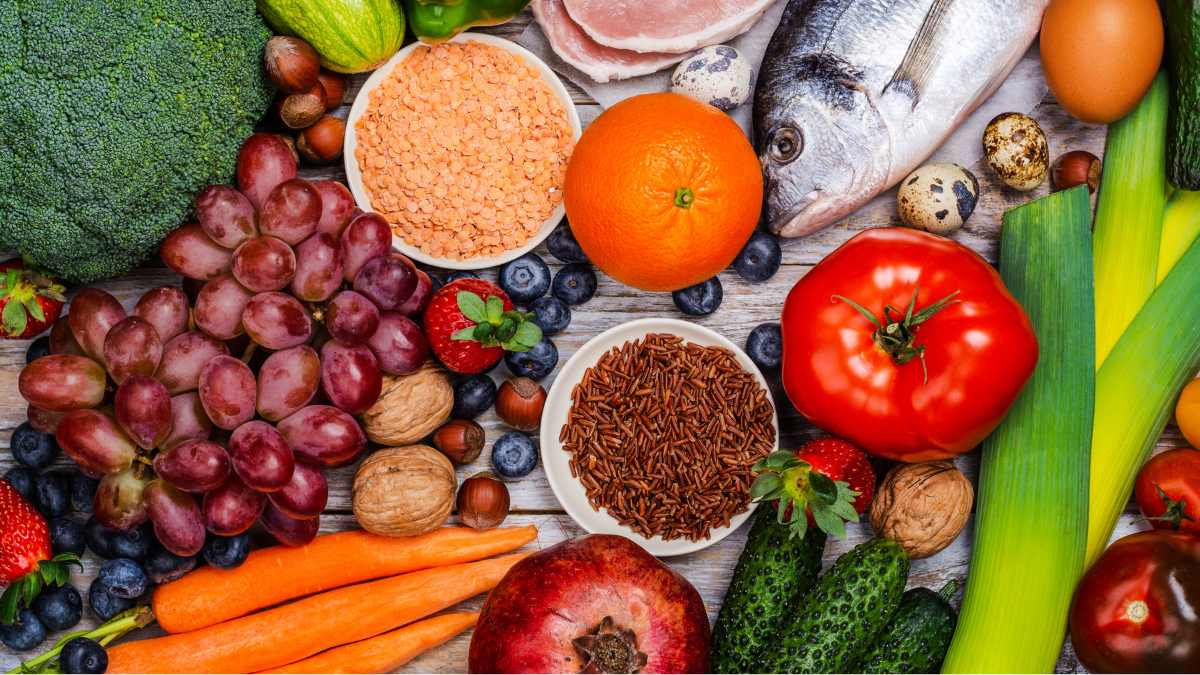

Introduction: The Mediterranean diet is renowned for its health benefits, including reduced risk of chronic diseases and improved longevity. A key component of this diet is the inclusion of cereals, which provide essential nutrients and energy. This article explores which cereals are suitable for the Mediterranean diet, their nutritional benefits, and how to incorporate them into your daily meals.
Introduction to Mediterranean Diet and Cereals
The Mediterranean diet is a dietary pattern traditionally followed by people living in countries bordering the Mediterranean Sea. It emphasizes the consumption of fruits, vegetables, legumes, nuts, seeds, and cereals, along with moderate amounts of fish, poultry, and dairy. Red meat and sweets are consumed sparingly. One of the cornerstones of this diet is the use of extra virgin olive oil as the primary source of fat.
Cereals play a significant role in the Mediterranean diet, providing a rich source of carbohydrates, fiber, vitamins, and minerals. They are typically consumed in their whole grain form, which preserves their nutritional integrity. Common cereals in this diet include wheat, barley, oats, and rice, among others.
The inclusion of cereals in the Mediterranean diet is not just about nutrition; it also reflects cultural and historical eating patterns. Traditional Mediterranean meals often feature cereals as a base or accompaniment, such as bread, pasta, and couscous. These foods are not only staples but also contribute to the diet’s overall balance and variety.
In the context of the Mediterranean diet, cereals are valued for their ability to provide sustained energy and satiety. They are often paired with other nutrient-dense foods, creating meals that are both satisfying and health-promoting. This combination of foods helps to maintain stable blood sugar levels and supports overall metabolic health.
Understanding which cereals are suitable for the Mediterranean diet involves looking at their nutritional profiles and how they fit into the overall dietary pattern. It is important to choose cereals that are minimally processed and retain their natural nutrients. This aligns with the diet’s emphasis on whole, unprocessed foods.
In the following sections, we will delve deeper into the specific cereals that are suitable for the Mediterranean diet, their nutritional benefits, and practical ways to incorporate them into your daily meals.
Nutritional Benefits of Cereals in Mediterranean Diet
Cereals are a powerhouse of nutrition, providing essential nutrients that support overall health. One of the primary benefits of cereals in the Mediterranean diet is their high fiber content. Fiber is crucial for digestive health, helping to regulate bowel movements and prevent constipation. It also plays a role in maintaining healthy cholesterol levels and reducing the risk of heart disease.
Whole grains, which are a staple in the Mediterranean diet, are particularly rich in dietary fiber. They include all parts of the grain kernel, such as the bran, germ, and endosperm. This ensures that they retain their full nutritional value, including vitamins, minerals, and antioxidants. Whole grains are also known to have a lower glycemic index, which helps in managing blood sugar levels.
Cereals are also an excellent source of complex carbohydrates, which provide a steady release of energy throughout the day. This is particularly important for maintaining energy levels and preventing fatigue. Complex carbohydrates are digested more slowly than simple sugars, resulting in a more gradual increase in blood glucose levels.
In addition to fiber and complex carbohydrates, cereals provide a range of essential vitamins and minerals. These include B vitamins, which are important for energy metabolism and brain function, as well as minerals like iron, magnesium, and zinc. Iron is crucial for oxygen transport in the blood, while magnesium supports muscle and nerve function. Zinc plays a role in immune function and wound healing.
Cereals also contain phytochemicals, which are bioactive compounds that have been shown to have health-promoting properties. These include antioxidants, which help to protect cells from damage caused by free radicals. Antioxidants are important for reducing inflammation and lowering the risk of chronic diseases such as cancer and heart disease.
Overall, the nutritional benefits of cereals in the Mediterranean diet are extensive. They provide a balanced mix of macronutrients and micronutrients that support overall health and well-being. By incorporating a variety of cereals into your diet, you can ensure that you are getting a wide range of nutrients that are essential for optimal health.
Whole Grains: Essential Cereals for Health
Whole grains are a cornerstone of the Mediterranean diet, offering numerous health benefits that are well-documented in scientific literature. Unlike refined grains, whole grains retain all parts of the grain kernel, including the bran, germ, and endosperm. This ensures that they provide a rich source of fiber, vitamins, minerals, and other bioactive compounds.
One of the most commonly consumed whole grains in the Mediterranean diet is wheat. Whole wheat products, such as whole wheat bread, pasta, and bulgur, are staples in many Mediterranean meals. These foods are not only nutritious but also versatile, making them easy to incorporate into a variety of dishes.
Barley is another important whole grain in the Mediterranean diet. It is often used in soups, stews, and salads, providing a chewy texture and nutty flavor. Barley is particularly high in soluble fiber, which has been shown to help lower cholesterol levels and improve heart health.
Oats are also a valuable addition to the Mediterranean diet. They are typically consumed as oatmeal or added to baked goods and granola. Oats are known for their high content of beta-glucan, a type of soluble fiber that has been shown to reduce cholesterol levels and improve blood sugar control.
Brown rice is another whole grain that is commonly consumed in the Mediterranean diet. Unlike white rice, brown rice retains its bran and germ, making it a more nutritious option. It is a good source of fiber, magnesium, and selenium, and can be used in a variety of dishes, from pilafs to stir-fries.
Quinoa, although not a traditional Mediterranean grain, has gained popularity in recent years due to its impressive nutritional profile. It is a complete protein, meaning it contains all nine essential amino acids. Quinoa is also rich in fiber, iron, magnesium, and antioxidants, making it a valuable addition to a Mediterranean-style diet.
Incorporating a variety of whole grains into your diet can help ensure that you are getting a wide range of nutrients that support overall health. These grains provide sustained energy, support digestive health, and reduce the risk of chronic diseases. By choosing whole grains over refined grains, you can maximize the nutritional benefits of your meals.
Gluten-Free Cereals for Mediterranean Diet Adherents
For individuals who follow a gluten-free diet, there are still plenty of cereal options that fit within the Mediterranean dietary pattern. Gluten is a protein found in wheat, barley, and rye, and must be avoided by those with celiac disease or gluten sensitivity. Fortunately, there are several gluten-free cereals that provide similar nutritional benefits.
One of the most popular gluten-free cereals is rice. Both brown and white rice are naturally gluten-free and can be used in a variety of dishes. Brown rice is particularly nutritious, providing a good source of fiber, vitamins, and minerals. It can be used as a base for salads, stir-fries, and pilafs.
Corn is another gluten-free cereal that is commonly consumed in the Mediterranean diet. Cornmeal and polenta are popular dishes made from ground corn, and they can be used as a base for savory or sweet dishes. Corn is also a good source of fiber, vitamins, and antioxidants.
Buckwheat, despite its name, is not related to wheat and is naturally gluten-free. It is often used to make soba noodles, pancakes, and porridge. Buckwheat is rich in fiber, protein, and essential minerals such as magnesium and manganese. It also contains antioxidants that have anti-inflammatory properties.
Amaranth is another gluten-free cereal that is gaining popularity. It is a complete protein and provides a good source of fiber, iron, and calcium. Amaranth can be used in a variety of dishes, including porridge, salads, and baked goods. Its nutty flavor and versatile texture make it a valuable addition to a gluten-free Mediterranean diet.
Millet is a lesser-known gluten-free cereal that is worth exploring. It is rich in fiber, magnesium, and antioxidants. Millet can be used as a base for salads, pilafs, and porridge. Its mild flavor and fluffy texture make it a versatile ingredient in many dishes.
By incorporating these gluten-free cereals into your Mediterranean diet, you can enjoy the nutritional benefits of cereals without the need to consume gluten. These cereals provide essential nutrients and can be used in a variety of dishes to create balanced and satisfying meals.
How to Incorporate Cereals into Your Daily Meals
Incorporating cereals into your daily meals can be both easy and enjoyable. One of the simplest ways to include cereals in your diet is by starting your day with a nutritious breakfast. Whole grain cereals, such as oatmeal or whole wheat toast, provide a good source of energy and fiber to kickstart your day. You can top your oatmeal with fresh fruits, nuts, and seeds for added nutrients and flavor.
For lunch, consider using whole grains as a base for salads. Quinoa, bulgur, and brown rice are excellent options that can be combined with a variety of vegetables, legumes, and lean proteins. These salads are not only nutritious but also versatile, allowing you to experiment with different flavors and ingredients.
Cereals can also be incorporated into your main meals. Whole grain pasta, for example, can be used in a variety of dishes, from classic Italian pasta dishes to Mediterranean-inspired grain bowls. Pairing whole grain pasta with vegetables, lean proteins, and healthy fats, such as olive oil, creates a balanced and satisfying meal.
Another way to include cereals in your diet is by using them as a base for soups and stews. Barley, for example, adds a chewy texture and nutty flavor to soups and stews, while also providing a good source of fiber and nutrients. You can also use rice or quinoa in soups to add bulk and nutrition.
Snacks are another opportunity to incorporate cereals into your diet. Whole grain crackers, granola bars, and popcorn are all healthy snack options that provide a good source of fiber and nutrients. You can also make your own snacks, such as energy balls made with oats, nuts, and dried fruits.
Finally, consider using cereals in your baking. Whole grain flours, such as whole wheat, oat, and buckwheat flour, can be used to make a variety of baked goods, from bread and muffins to pancakes and cookies. These baked goods provide a nutritious alternative to those made with refined flours and can be enjoyed as part of a balanced diet.
By incorporating cereals into your daily meals, you can enjoy their nutritional benefits and add variety to your diet. Whether you are enjoying a hearty breakfast, a nutritious lunch, or a satisfying dinner, there are plenty of ways to include cereals in your meals.
Expert Tips for Choosing the Right Cereals
Choosing the right cereals for your Mediterranean diet involves considering several factors, including nutritional content, processing, and personal preferences. Here are some expert tips to help you make the best choices:
-
Opt for Whole Grains: Whenever possible, choose whole grains over refined grains. Whole grains retain all parts of the grain kernel, including the bran, germ, and endosperm, providing a richer source of fiber, vitamins, and minerals. Look for labels that specify "100% whole grain" or "whole [grain name]".
-
Check the Ingredient List: When purchasing cereals, always check the ingredient list to ensure that whole grains are the primary ingredient. Avoid cereals that contain added sugars, artificial flavors, and preservatives. The shorter the ingredient list, the better.
-
Consider Nutritional Content: Pay attention to the nutritional content of the cereals you choose. Look for cereals that are high in fiber and low in added sugars. A good rule of thumb is to choose cereals that provide at least 3 grams of fiber per serving and less than 5 grams of added sugar.
-
Be Mindful of Portion Sizes: While cereals are nutritious, it is important to be mindful of portion sizes. Overeating cereals, especially those that are calorie-dense, can lead to weight gain. Stick to recommended serving sizes and balance your meals with other nutrient-dense foods.
-
Experiment with Different Grains: Don’t be afraid to experiment with different grains to add variety to your diet. Each grain has its own unique flavor and nutritional profile, so incorporating a variety of grains can help ensure that you are getting a wide range of nutrients.
-
Consider Gluten-Free Options: If you have celiac disease or gluten sensitivity, there are plenty of gluten-free cereals that fit within the Mediterranean diet. Rice, corn, buckwheat, amaranth, and millet are all excellent options that provide similar nutritional benefits to gluten-containing grains.
By following these expert tips, you can make informed choices when selecting cereals for your Mediterranean diet. Choosing the right cereals can help you maximize the nutritional benefits of your meals and support your overall health and well-being.
Conclusion: Cereals are an essential component of the Mediterranean diet, providing a rich source of nutrients that support overall health. By choosing whole grains and incorporating a variety of cereals into your daily meals, you can enjoy the numerous health benefits associated with this dietary pattern. Whether you are following a gluten-free diet or simply looking to improve your nutrition, there are plenty of cereal options that fit within the Mediterranean diet. By making informed choices and experimenting with different grains, you can create balanced and satisfying meals that promote long-term health.
Read More…
-
Harvard T.H. Chan School of Public Health – The Nutrition Source: Whole Grains
- This resource provides comprehensive information on the health benefits of whole grains and how to incorporate them into your diet.
-
Oldways – Mediterranean Diet Overview
- Oldways offers a detailed overview of the Mediterranean diet, including its history, benefits, and key components.
-
Mayo Clinic – Mediterranean Diet: A Heart-Healthy Eating Plan
- The Mayo Clinic provides an in-depth look at the Mediterranean diet, including practical tips for following this dietary pattern.
-
Celiac Disease Foundation – Gluten-Free Diet
- This resource offers valuable information for individuals who need to follow a gluten-free diet, including a list of gluten-free grains and cereals.
-
American Heart Association – Whole Grains and Fiber
- The American Heart Association explains the benefits of whole grains and fiber for heart health and provides tips for incorporating them into your diet.