

Se hai un abbonamento attivo ACCEDI QUI
Introduction:
The Paleo diet, often referred to as the "caveman diet," is based on the premise of eating foods that our ancestors consumed during the Paleolithic era. This approach emphasizes whole, unprocessed foods, primarily consisting of meats, fish, vegetables, fruits, nuts, and seeds. However, as individuals explore this dietary lifestyle, questions often arise regarding the inclusion of certain foods, such as bananas. This article aims to delve into the compatibility of bananas within the Paleo framework, examining their nutritional profile, glycemic index, and potential benefits, while also considering the core principles of the diet.
Understanding the Paleo Diet: Core Principles and Foods
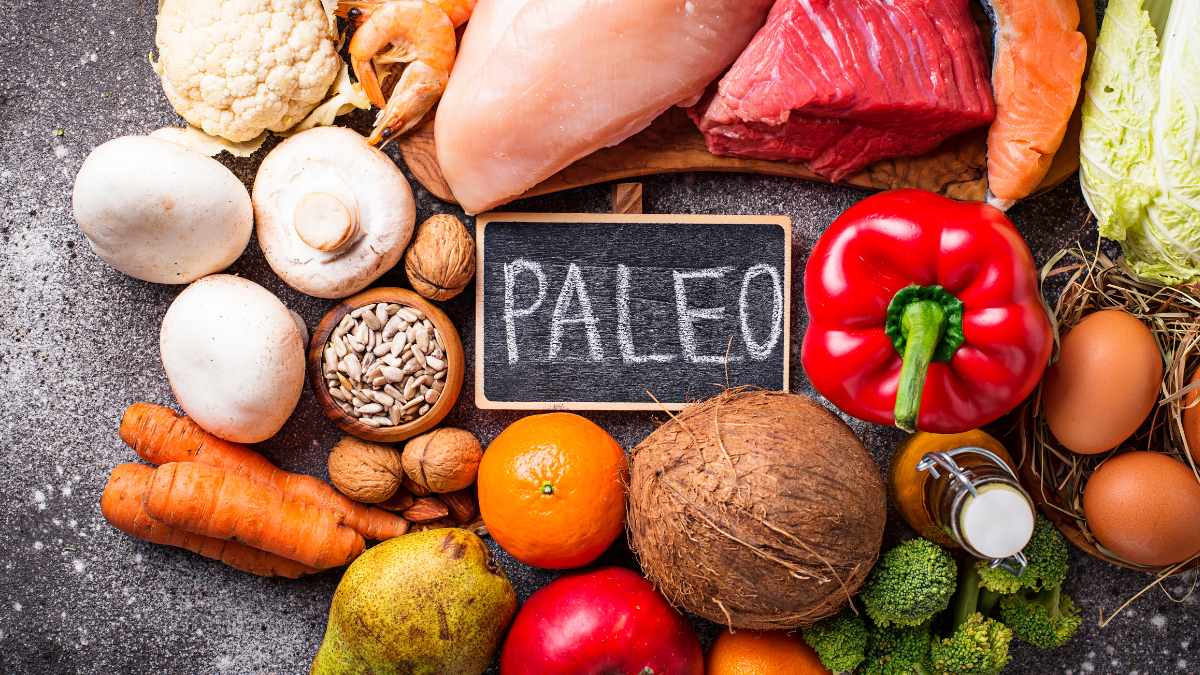
The Paleo diet is grounded in the belief that modern dietary practices contribute to various health issues. By reverting to the eating habits of our ancestors, proponents argue that we can improve overall health and well-being. Key principles include avoiding processed foods, grains, legumes, and dairy, while focusing on nutrient-dense options. This diet encourages the consumption of high-quality animal proteins, fresh fruits and vegetables, and healthy fats.
Foods typically included in a Paleo diet are grass-fed meats, wild-caught fish, eggs, non-starchy vegetables, fruits, nuts, and seeds. These foods are believed to be more aligned with human genetics, promoting better digestion and nutrient absorption. The emphasis on whole foods is critical, as it helps individuals avoid additives, preservatives, and other chemicals found in processed items.
Despite its popularity, the Paleo diet is often subject to debate regarding its inclusivity and restrictions. Some advocates strictly adhere to the original guidelines, while others adopt a more flexible approach, allowing for occasional indulgences. This flexibility can lead to questions about specific foods, such as bananas, and whether they fit within the diet’s parameters.
Understanding the core principles of the Paleo diet is essential for making informed decisions about food choices. As individuals navigate their dietary preferences, they must consider both the nutritional value of foods and how they align with the overarching goals of the Paleo lifestyle.
Nutritional Profile of Bananas: A Detailed Analysis
Bananas are a popular fruit known for their convenience and natural sweetness. They are rich in several essential nutrients, including potassium, vitamin C, vitamin B6, and dietary fiber. A medium-sized banana contains approximately 105 calories, making it a relatively low-calorie snack option. The high potassium content is particularly notable, as it plays a crucial role in maintaining heart health and regulating blood pressure.
In addition to potassium, bananas provide a good source of vitamin C, which is important for immune function and skin health. Vitamin B6, another key nutrient found in bananas, is essential for brain health and the production of neurotransmitters. Furthermore, the dietary fiber in bananas aids in digestion and can contribute to feelings of fullness, making them a satisfying snack.
While bananas are nutritious, they are also relatively high in carbohydrates, primarily in the form of natural sugars. This carbohydrate content can raise questions about their suitability for those following a low-carb or ketogenic diet. However, for individuals adhering to the Paleo diet, the focus is often on the quality of carbohydrates rather than their quantity.
In summary, bananas are a nutrient-dense fruit that offers several health benefits. Their rich nutritional profile makes them a popular choice among many, but their carbohydrate content warrants consideration within the context of the Paleo diet.
Are Bananas Considered Paleo-Friendly? Key Considerations
The question of whether bananas are Paleo-friendly often hinges on individual interpretations of the diet. While some strict Paleo adherents may avoid bananas due to their higher sugar content, others may include them as part of a balanced diet. The key consideration is how bananas fit into one’s overall dietary pattern and lifestyle.
One argument for including bananas in a Paleo diet is their natural origin. Bananas are a whole food that has been consumed by humans for thousands of years, aligning with the diet’s emphasis on eating foods that our ancestors would have eaten. Additionally, bananas can provide a quick source of energy, making them an excellent option for pre- or post-workout snacks.
On the other hand, the carbohydrate content in bananas may be a concern for those aiming for weight loss or blood sugar control. The Paleo diet encourages individuals to be mindful of their carbohydrate intake, particularly from fruits that are higher in sugar. Therefore, moderation is key when incorporating bananas into a Paleo lifestyle.
Ultimately, the decision to include bananas in a Paleo diet is a personal one. Individuals may choose to experiment with their consumption and observe how their bodies respond, allowing for a tailored approach that aligns with their health goals and dietary preferences.
Glycemic Index of Bananas: Impact on Blood Sugar Levels
The glycemic index (GI) is a measure of how quickly a food raises blood sugar levels after consumption. Foods with a high GI can cause rapid spikes in blood sugar, while those with a low GI result in a more gradual increase. Bananas have a moderate glycemic index, typically ranging from 51 to 55, depending on their ripeness.
The ripeness of a banana significantly influences its glycemic index. Riper bananas tend to have a higher GI due to the increased sugar content as starches convert to sugars. This is an important consideration for individuals monitoring their blood sugar levels, such as those with diabetes or those following a low-carb diet.
In the context of the Paleo diet, understanding the glycemic index of foods can help individuals make informed choices. While bananas can provide quick energy, their moderate GI means they should be consumed in moderation, particularly for those who are sensitive to blood sugar fluctuations. Pairing bananas with healthy fats or proteins can also help mitigate blood sugar spikes.
In conclusion, while bananas can be part of a Paleo diet, their glycemic index and impact on blood sugar levels should be taken into account. Individuals should assess their personal health goals and how bananas fit into their overall dietary framework.
Potential Benefits of Bananas in a Paleo Diet Context
Incorporating bananas into a Paleo diet can offer several potential benefits. Firstly, their nutrient density provides essential vitamins and minerals that support overall health. The potassium content in bananas is particularly beneficial for cardiovascular health, helping to regulate blood pressure and prevent hypertension.
Moreover, bananas can serve as a convenient and portable snack option, making them ideal for individuals with busy lifestyles. They require no preparation and can be easily carried on the go, providing a quick source of energy when needed. This convenience can help individuals adhere to their Paleo diet by offering a healthy alternative to processed snacks.
Additionally, the fiber content in bananas can aid in digestion and promote gut health. A diet rich in fiber is associated with numerous health benefits, including improved digestion, reduced risk of chronic diseases, and enhanced satiety. Including bananas in a balanced Paleo diet can contribute to meeting daily fiber needs.
Lastly, bananas can be a versatile ingredient in various recipes. They can be used in smoothies, baked goods, or as a natural sweetener in dishes, adding flavor and nutrition without the need for refined sugars. This versatility allows individuals to enjoy bananas while still adhering to the principles of the Paleo diet.
Conclusion: Balancing Bananas Within a Paleo Framework
In summary, the inclusion of bananas in a Paleo diet can be both beneficial and contentious. While they offer a rich array of nutrients and convenience, their carbohydrate content and glycemic index warrant careful consideration. Individuals following a Paleo lifestyle should assess their personal health goals and dietary preferences when deciding whether to incorporate bananas into their meals.
Moderation is key, and pairing bananas with other nutrient-dense foods can help balance their impact on blood sugar levels. Ultimately, the decision to include bananas in a Paleo diet should be based on individual needs, preferences, and responses to this fruit. By understanding the nutritional profile and potential benefits of bananas, individuals can make informed choices that align with their health objectives.
Conclusions:
The compatibility of bananas within the Paleo diet largely depends on individual interpretations and health goals. While some may choose to avoid them due to their sugar content, others find them to be a valuable addition to their diet. By understanding their nutritional profile and considering factors like glycemic index, individuals can navigate their dietary choices more effectively.
Read more:
- The Paleo Diet: A Beginner’s Guide – A comprehensive overview of the Paleo diet, its principles, and foods to include or avoid.
- Nutritional Benefits of Bananas – An analysis of the health benefits and nutritional content of bananas.
- Glycemic Index of Common Foods – A resource for understanding the glycemic index of various foods, including fruits like bananas.
- The Role of Fiber in a Healthy Diet – A detailed examination of the importance of dietary fiber and its health benefits.
- Paleo Diet and Blood Sugar Control – A study discussing the effects of the Paleo diet on blood sugar levels and metabolic health.