

Introduction:
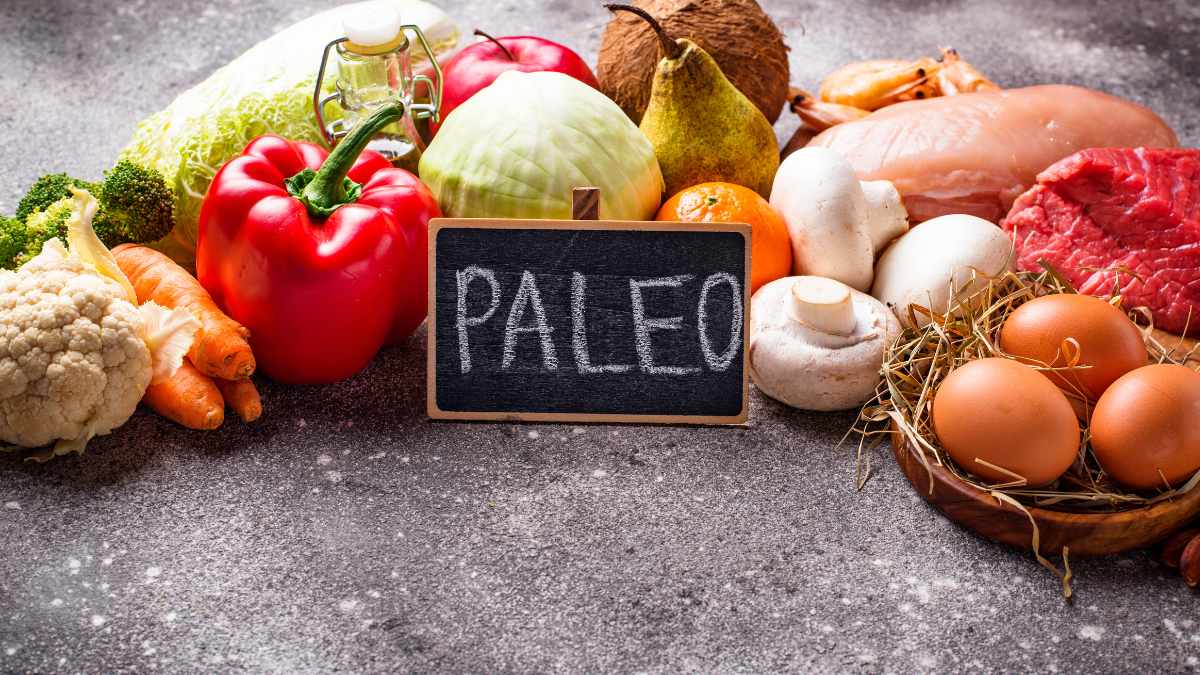
The Paleo diet, often referred to as the "caveman diet," is rooted in the idea of consuming foods that our ancestors would have eaten during the Paleolithic era. This means focusing on whole, unprocessed foods while avoiding grains, legumes, dairy, and refined sugars. As this dietary approach gains popularity, questions arise about specific food items, including bacon. This article explores whether bacon can fit into a Paleo lifestyle by examining its nutritional profile, the role of animal fats, and the implications of consuming processed versus unprocessed bacon.
Understanding the Paleo Diet: Principles and Guidelines
The Paleo diet is based on the premise that modern humans should eat in a way that aligns with our evolutionary history. This involves prioritizing foods that are nutrient-dense and minimally processed. The core principles include eating whole foods such as fruits, vegetables, nuts, seeds, and lean meats while avoiding processed foods, grains, and dairy. The rationale is that these dietary choices can lead to improved health outcomes, including weight loss, better digestion, and enhanced energy levels.
One of the key guidelines of the Paleo diet is to focus on high-quality animal products. This means choosing grass-fed, pasture-raised, and organic meats whenever possible. The emphasis on quality stems from concerns about the health implications of consuming meat from animals raised in industrial farming systems, which may be laden with antibiotics and hormones. Thus, the source of the meat is crucial when considering whether bacon fits into a Paleo framework.
Another important aspect of the Paleo diet is the elimination of processed foods. This includes not only refined sugars and grains but also many processed meats. The rationale is that these foods often contain additives, preservatives, and unhealthy fats that can lead to various health issues. Therefore, when evaluating bacon’s compatibility with the Paleo diet, it is essential to consider whether it falls into the category of processed or unprocessed meats.
Finally, the Paleo diet encourages mindful eating and a focus on sustainability. This means being aware of the environmental impact of food choices and opting for products that are ethically sourced. As bacon is a popular food item, understanding its implications in terms of health and sustainability becomes vital for those following a Paleo lifestyle.
Nutritional Profile of Bacon: A Closer Examination
Bacon is primarily made from pork belly and is known for its rich flavor and high-fat content. A typical serving of cooked bacon contains about 42 calories, with a significant portion derived from fat—approximately 3 grams of fat per slice. This fat content can be appealing to those following a low-carb or high-fat diet, as fats are a primary energy source. However, not all fats are created equal, and the type of fat found in bacon is essential to consider.
The nutritional profile of bacon also includes protein, with about 3 grams per slice. Protein is a crucial macronutrient for muscle repair and growth, making it an essential component of a balanced diet. However, while bacon does provide protein, it is not as nutrient-dense as other protein sources like grass-fed beef or wild-caught fish, which offer additional vitamins and minerals.
Moreover, bacon is high in sodium, with a single slice containing about 194 mg of sodium. Excessive sodium intake can lead to health issues such as hypertension, making it important to consume bacon in moderation. Additionally, bacon contains certain vitamins and minerals, including B vitamins, selenium, and zinc, but these are often overshadowed by its high fat and sodium content.
In summary, while bacon does offer some nutritional benefits, its high fat and sodium content raises concerns about its overall health implications. For those following a Paleo diet, it is essential to weigh these factors against the dietary principles that prioritize whole, unprocessed foods.
The Role of Animal Fats in Paleo Nutrition
Animal fats, including those found in bacon, play a significant role in the Paleo diet. Fats are essential for various bodily functions, including hormone production, nutrient absorption, and energy provision. In the context of the Paleo diet, animal fats are often favored over plant-based oils due to their natural origins and the belief that they are more aligned with our ancestral eating patterns.
One of the primary arguments in favor of animal fats is their satiating properties. Fats can help keep individuals feeling full longer, which may reduce overall calorie intake and assist with weight management. This can be particularly beneficial for those following a low-carb or ketogenic approach within the Paleo framework, where fat becomes the primary energy source.
However, not all animal fats are equal. The quality of the fat is crucial, and fats from grass-fed or pasture-raised animals are generally considered healthier options. These fats contain a better balance of omega-3 and omega-6 fatty acids, which are essential for maintaining a healthy inflammatory response in the body. In contrast, fats from conventionally raised animals may be higher in omega-6 fatty acids, which can contribute to inflammation when consumed in excess.
When considering bacon specifically, it is important to recognize that while it does provide animal fats, it is also high in saturated fats. The debate surrounding saturated fat and its impact on heart health is ongoing, with some studies suggesting that moderate consumption may not be as harmful as once believed. Nonetheless, individuals following a Paleo diet should be mindful of their overall fat intake and consider incorporating a variety of fat sources to ensure a balanced nutrient profile.
Evaluating Bacon: Processed vs. Unprocessed Options
When discussing bacon within the context of the Paleo diet, it is essential to differentiate between processed and unprocessed options. Processed bacon, often found in supermarkets, typically contains additives, preservatives, and nitrates, which are used to enhance flavor and prolong shelf life. These additives can raise health concerns, as they may contribute to various health issues, including cancer risk.
On the other hand, unprocessed bacon, which is often labeled as "uncured" or "nitrate-free," is made without these harmful additives. This type of bacon is typically sourced from pigs that are raised in more humane and sustainable conditions, aligning more closely with the principles of the Paleo diet. Choosing unprocessed bacon can mitigate some of the health risks associated with conventional bacon while still allowing for the enjoyment of this flavorful food.
Moreover, the cooking method can also impact the health implications of bacon. For instance, frying bacon in unhealthy oils can introduce additional unhealthy fats, while baking or grilling it can help render some of the fat out, making it a slightly healthier option. The way bacon is prepared and consumed can significantly affect its compatibility with a Paleo lifestyle.
Ultimately, individuals following a Paleo diet should prioritize quality over quantity when it comes to bacon. By choosing unprocessed options and being mindful of preparation methods, it is possible to enjoy bacon in moderation while adhering to the principles of the diet.
Health Implications of Consuming Bacon on Paleo
The health implications of consuming bacon on a Paleo diet are multifaceted. While bacon can provide certain nutrients and fats, the potential risks associated with its consumption cannot be overlooked. One of the primary concerns is the high sodium content, which can contribute to hypertension and cardiovascular issues when consumed in excess. For individuals with pre-existing health conditions, such as heart disease, moderation is key.
Additionally, the debate surrounding the consumption of processed meats, including bacon, has garnered significant attention in recent years. Research has suggested a potential link between high processed meat consumption and an increased risk of certain cancers, particularly colorectal cancer. This raises concerns for those who may consume bacon frequently, as the health risks may outweigh the benefits.
Furthermore, the saturated fat content in bacon has been a topic of discussion among nutritionists and health professionals. While some studies indicate that moderate consumption of saturated fat may not be as harmful as once thought, others continue to recommend limiting intake due to its association with elevated cholesterol levels and heart disease risk. Individuals following a Paleo diet should consider their overall dietary patterns and health goals when incorporating bacon.
In conclusion, while bacon can be enjoyed as part of a Paleo lifestyle, it is crucial to approach its consumption with caution. Prioritizing quality, choosing unprocessed options, and being mindful of portion sizes can help mitigate potential health risks while still allowing for the enjoyment of this beloved food.
Conclusions:
In summary, bacon can be compatible with a Paleo lifestyle, but its consumption should be approached thoughtfully. By focusing on unprocessed options, being aware of sodium and saturated fat content, and considering individual health goals, bacon can be enjoyed in moderation. Ultimately, the key to a successful Paleo diet lies in prioritizing whole, nutrient-dense foods while being mindful of the quality of the ingredients consumed.
Read more
- The Paleo Diet: A Beginner’s Guide – A comprehensive guide to understanding the principles and guidelines of the Paleo diet.
- Nutritional Profile of Bacon – A detailed overview of the nutritional content of bacon and its health implications.
- The Role of Animal Fats in Nutrition – An exploration of the benefits and risks associated with animal fats in the diet.
- Processed Meats and Cancer Risk – An overview of the research linking processed meats to cancer risk.
- Choosing Quality Meats: A Guide – A resource for understanding the importance of sourcing high-quality meats and animal products.