

Introduction:
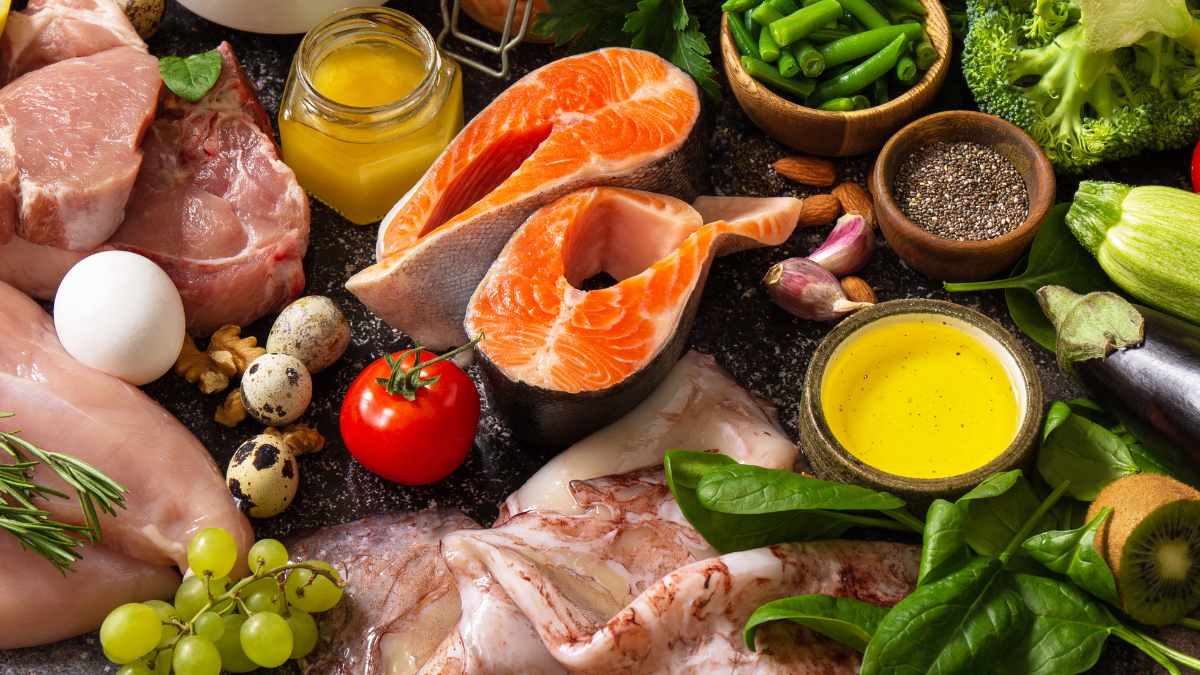
The Paleo diet, often referred to as the caveman diet, emphasizes whole, unprocessed foods that our ancestors would have eaten. This dietary approach encourages the consumption of lean meats, fish, fruits, vegetables, nuts, and seeds while avoiding processed foods, grains, legumes, and dairy. However, the inclusion of certain fats, particularly butter, has sparked considerable debate among Paleo enthusiasts and nutritionists. This article aims to explore whether butter can be integrated into a Paleo lifestyle, examining its nutritional profile, the role of fats in the diet, and alternatives that align with Paleo principles.
Understanding the Paleo Diet: Principles and Guidelines
The Paleo diet is rooted in the idea that modern humans should eat in a way that is more aligned with our evolutionary history. This means focusing on foods that were available to our hunter-gatherer ancestors. The primary principles include consuming whole foods, avoiding processed items, and prioritizing nutrient-dense options. The diet is typically high in protein and healthy fats while being low in carbohydrates.
One of the key guidelines of the Paleo diet is to eliminate foods that were introduced after the agricultural revolution, which includes grains, legumes, and dairy products. This approach is based on the belief that these foods can contribute to various health issues, including inflammation and digestive problems. Instead, the diet encourages the consumption of meats, fish, fruits, vegetables, nuts, and seeds.
Adherents of the Paleo diet often report improvements in energy levels, weight management, and overall health. However, the strict elimination of certain food groups can lead to nutritional deficiencies if not carefully managed. As such, understanding the nutritional value of the foods consumed is crucial for anyone following this dietary approach.
Lastly, while the Paleo diet promotes a return to ancestral eating habits, it is essential to recognize that individual responses to foods can vary. Some may thrive on a strict Paleo regimen, while others might need to make adjustments based on their unique health needs and lifestyle.
The Role of Fats in the Paleo Diet Framework
Fats play a crucial role in the Paleo diet, serving as a primary source of energy and supporting various bodily functions. The diet encourages the consumption of healthy fats, including those from avocados, nuts, seeds, and oils such as olive and coconut oil. These fats are essential for hormone production, nutrient absorption, and brain health.
In the context of the Paleo diet, fats are not just a source of energy but also contribute to satiety, helping individuals feel full and satisfied after meals. This can be particularly beneficial for those looking to manage their weight or reduce cravings. The emphasis on healthy fats aligns with the growing body of research suggesting that dietary fat, particularly from whole food sources, can be beneficial for overall health.
However, not all fats are created equal. The Paleo diet discourages the consumption of trans fats and highly processed oils, which can lead to inflammation and other health issues. Instead, it encourages the use of fats that are minimally processed and derived from natural sources. This distinction is vital for anyone looking to maintain a healthy and balanced Paleo lifestyle.
Moreover, the inclusion of fats in the diet can help to balance macronutrient intake, especially when carbohydrates are limited. By incorporating a variety of healthy fats, individuals can ensure they are meeting their energy needs while adhering to the principles of the Paleo diet.
Nutritional Profile of Butter: A Detailed Analysis
Butter is a dairy product that has been consumed for centuries, often revered for its rich flavor and culinary versatility. Nutritionally, butter is high in saturated fats, which have been the subject of much debate in the nutrition community. It contains vitamins A, D, E, and K, as well as butyrate, a short-chain fatty acid that has been linked to various health benefits, including anti-inflammatory properties.
One of the primary concerns regarding butter is its saturated fat content. While some studies suggest that saturated fats may contribute to heart disease, recent research indicates that the relationship is more complex. The source of saturated fats, as well as the overall dietary context, plays a significant role in determining their health effects. In moderation, butter can be part of a balanced diet, especially when sourced from grass-fed cows, which tend to have a more favorable fatty acid profile.
Additionally, butter is low in carbohydrates, making it a suitable option for those following low-carb or ketogenic variations of the Paleo diet. Its high-fat content can help individuals meet their energy needs while adhering to a low-carb lifestyle. However, it is essential to consider individual tolerance to dairy products, as some people may experience digestive issues or other adverse reactions.
In summary, butter can provide several nutritional benefits, but its role in a Paleo diet depends on individual preferences and health considerations. Understanding the broader context of dietary fats and their sources is crucial for making informed decisions about incorporating butter into a Paleo lifestyle.
Clarifying Misconceptions: Butter and Paleo Compatibility
The debate over butter’s compatibility with the Paleo diet often stems from the broader guidelines that advocate for the elimination of dairy products. While traditional Paleo principles suggest avoiding dairy, many modern interpretations of the diet allow for the inclusion of certain dairy products, particularly those that are minimally processed and high in healthy fats.
Proponents of including butter in the Paleo diet argue that it can be a source of healthy fats and essential nutrients. They point out that butter, especially when sourced from grass-fed cows, can provide beneficial fatty acids and vitamins that align with the diet’s emphasis on nutrient-dense foods. Furthermore, many individuals find that they can tolerate butter better than other dairy products, making it a viable option for those who wish to include it in their meals.
On the other hand, critics of butter’s inclusion in the Paleo diet emphasize the potential negative effects of dairy on some individuals, particularly those with lactose intolerance or dairy allergies. They argue that the original intent of the Paleo diet was to mimic the eating patterns of our ancestors, who did not consume dairy. As such, they advocate for a strict interpretation of the diet that excludes all dairy products.
Ultimately, the decision to include butter in a Paleo diet is a personal one and should be based on individual health needs, preferences, and responses to dairy. For those who choose to include butter, it is essential to do so in moderation and to prioritize high-quality sources.
Exploring Alternatives: Ghee and Other Fats in Paleo
For those who prefer to avoid butter while still incorporating healthy fats into their Paleo diet, ghee is an excellent alternative. Ghee is clarified butter, meaning that the milk solids and water have been removed, resulting in a product that is lactose-free and suitable for those with dairy sensitivities. Ghee retains many of the beneficial nutrients found in butter, including fat-soluble vitamins and butyrate.
In addition to ghee, there are several other fats that align well with the principles of the Paleo diet. Coconut oil, for instance, is a popular choice due to its medium-chain triglycerides (MCTs), which are easily digestible and can provide quick energy. Olive oil is another healthy fat that is rich in monounsaturated fats and antioxidants, making it a great option for salad dressings and cooking.
Avocado oil is also gaining popularity within the Paleo community for its high smoke point and heart-healthy fat profile. It is versatile and can be used in various cooking methods, from sautéing to baking. Additionally, nuts and seeds, such as almonds, walnuts, and chia seeds, provide healthy fats and can be incorporated into meals and snacks.
When exploring alternatives to butter, it is essential to consider the overall balance of fats in the diet. Incorporating a variety of fat sources can help ensure that individuals receive a broad spectrum of nutrients while adhering to the principles of the Paleo diet.
Conclusions:
Integrating butter into a Paleo lifestyle can be a nuanced decision, influenced by individual health needs, dietary preferences, and responses to dairy. While traditional interpretations of the Paleo diet advocate for the exclusion of dairy, many modern adaptations allow for the inclusion of butter, particularly when sourced from high-quality, grass-fed options. Understanding the nutritional profile of butter, as well as exploring alternatives like ghee and various healthy oils, can help individuals make informed choices that align with their health goals.
Read more:
- The Paleo Diet: A Beginner’s Guide – An overview of the Paleo diet’s principles and guidelines.
- Butter vs. Margarine: Which Is Healthier? – A comparison of butter and margarine, including their nutritional profiles.
- The Benefits of Ghee: A Nutritional Analysis – A detailed look at ghee, its health benefits, and how it fits into the Paleo diet.
- Understanding Fats: A Comprehensive Guide – An exploration of different types of dietary fats and their health implications.
- Is Butter Bad for You? – A discussion on the health effects of butter consumption and its place in a balanced diet.