

Introduction:
The Paleo diet, often referred to as the "caveman diet," emphasizes consuming foods that our ancestors would have eaten during the Paleolithic era. This diet primarily includes lean meats, fish, fruits, vegetables, nuts, and seeds while excluding processed foods, grains, legumes, and dairy. As pasta is a staple in many modern diets, the question arises: can it fit into a Paleo lifestyle? This article delves into the principles of the Paleo diet, the nutritional composition of traditional pasta, and the compatibility of pasta with Paleo standards, while also exploring alternative options and the potential health implications of incorporating pasta into a Paleo diet.
Understanding the Paleo Diet: Key Principles and Guidelines
The Paleo diet is grounded in the belief that modern humans should eat in a way that mirrors the dietary patterns of our hunter-gatherer ancestors. This approach is based on the premise that the human genome has changed little since the Paleolithic era, and thus, our bodies are better suited to process foods that were available during that time. Key principles of the Paleo diet include a focus on whole, unprocessed foods, an emphasis on high-quality protein sources, and the exclusion of refined sugars and grains.
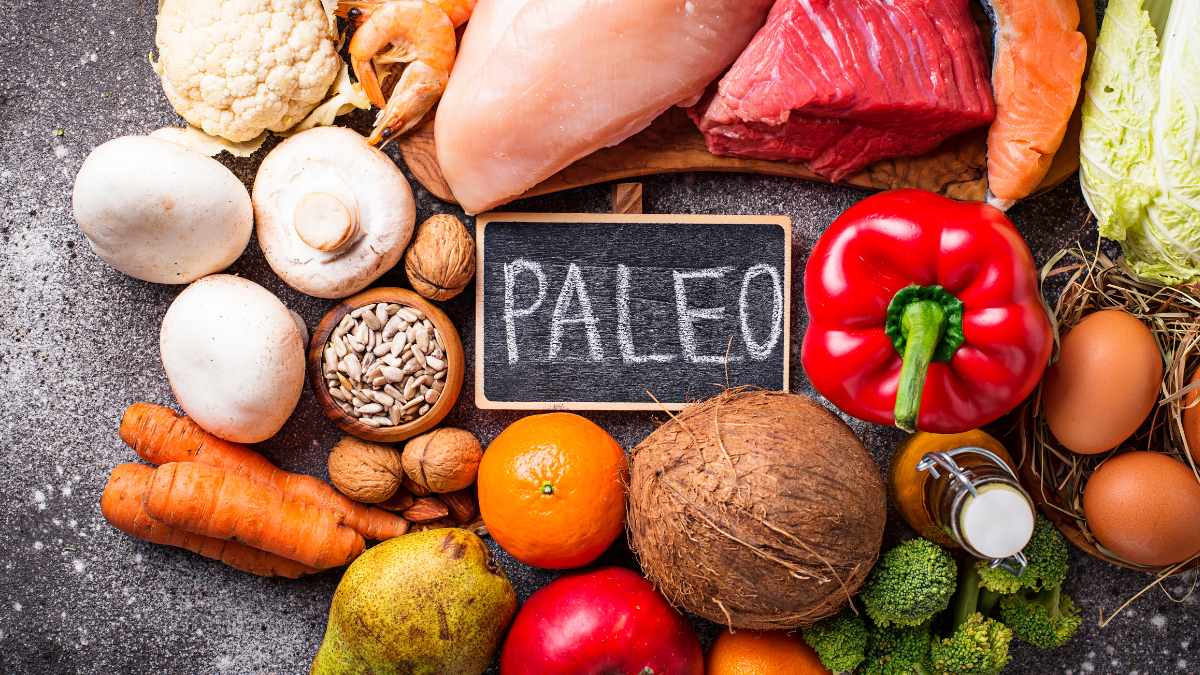
In practical terms, the Paleo diet encourages the consumption of grass-fed meats, wild-caught fish, free-range eggs, and a variety of fruits and vegetables. Healthy fats, such as those found in avocados, nuts, and seeds, are also encouraged. By prioritizing these food groups, proponents of the Paleo diet argue that individuals can improve their overall health, manage weight, and reduce the risk of chronic diseases.
However, the Paleo diet is not without its critics. Some nutritionists argue that the exclusion of certain food groups, such as whole grains and legumes, may lead to nutrient deficiencies. Additionally, the diet can be challenging to maintain long-term due to its restrictive nature. Despite these concerns, many individuals find success with the Paleo lifestyle, often reporting increased energy levels and improved digestion.
Ultimately, understanding the core principles of the Paleo diet is crucial for determining whether foods like pasta can fit into this framework. As we explore the nutritional composition of traditional pasta varieties, we can better assess their compatibility with Paleo guidelines.
The Nutritional Composition of Traditional Pasta Varieties
Traditional pasta is primarily made from wheat flour, which is a grain that is excluded from the Paleo diet. Nutritionally, pasta is a source of carbohydrates, providing energy for the body. A standard serving of cooked pasta contains approximately 200 calories, with around 40 grams of carbohydrates, 7 grams of protein, and minimal fat. While pasta can be a convenient source of energy, it lacks many essential nutrients found in whole foods.
One of the main concerns regarding traditional pasta is its high glycemic index. Foods with a high glycemic index can cause rapid spikes in blood sugar levels, potentially leading to energy crashes and increased hunger. This is particularly concerning for individuals following a Paleo diet, which emphasizes stable blood sugar levels and sustained energy.
Additionally, pasta is often low in fiber, especially when made from refined flour. Fiber is crucial for digestive health and can help regulate blood sugar levels. The lack of fiber in traditional pasta can contribute to digestive issues and may not align with the health goals of those adhering to a Paleo lifestyle.
In summary, while traditional pasta provides energy and some protein, its high carbohydrate content, glycemic index, and low nutrient density raise questions about its compatibility with the principles of the Paleo diet. As we analyze the compatibility of pasta with Paleo standards, it is essential to consider these nutritional factors.
Analyzing the Compatibility of Pasta with Paleo Standards
Given the foundational principles of the Paleo diet, traditional pasta made from wheat flour is generally considered incompatible. The exclusion of grains, including wheat, is a central tenet of the Paleo approach. This exclusion is based on the belief that grains can contribute to inflammation, digestive issues, and other health problems in some individuals.
Moreover, the processing involved in creating traditional pasta often strips away many of the nutrients found in whole grains. This processing can lead to the presence of additives and preservatives, which are also not aligned with the clean eating philosophy of the Paleo diet. Consequently, many Paleo adherents choose to avoid pasta altogether, opting for alternatives that align more closely with their dietary goals.
However, some individuals may still wish to incorporate pasta-like dishes into their meals while following a Paleo diet. This has led to the emergence of various alternative pasta options, which we will explore in the next section. These alternatives aim to provide a similar texture and taste to traditional pasta while adhering to the principles of the Paleo lifestyle.
In conclusion, while traditional pasta is not compatible with the Paleo diet, understanding the reasons behind its exclusion can help individuals make informed choices about their dietary habits. As we move forward, it is essential to explore alternative options that can satisfy cravings for pasta without compromising Paleo principles.
Alternative Pasta Options: Paleo-Friendly Substitutes Available
For those following a Paleo diet who still crave pasta, there are several alternative options available that can serve as suitable substitutes. One popular choice is spiralized vegetables, such as zucchini, carrots, or sweet potatoes. These vegetable-based noodles provide a similar texture to pasta while being low in carbohydrates and high in vitamins and minerals.
Another option is pasta made from alternative flours, such as almond flour or coconut flour. These flours are gluten-free and align with the grain-free guidelines of the Paleo diet. Many recipes for Paleo pasta utilize these alternative flours to create a dough that can be shaped and cooked similarly to traditional pasta.
Additionally, there are commercially available Paleo pasta brands that offer products made from ingredients like cassava flour or chickpea flour. These options provide a convenient way to enjoy pasta dishes without straying from Paleo principles. However, it is essential to check the ingredient list to ensure that no additives or preservatives are included.
Incorporating these alternative pasta options into a Paleo diet can be a creative way to enjoy familiar dishes while adhering to dietary guidelines. As we consider the potential health implications of eating pasta on a Paleo diet, it is crucial to weigh the benefits and drawbacks of these substitutes.
Potential Health Implications of Eating Pasta on Paleo
While traditional pasta is not compatible with the Paleo diet, the inclusion of alternative pasta options can have various health implications. One significant benefit of using vegetable-based noodles is the increased intake of vitamins, minerals, and antioxidants. For example, zucchini noodles are rich in vitamin C and potassium, while sweet potato noodles provide beta-carotene and fiber.
However, it is essential to be mindful of portion sizes when consuming alternative pasta options. Even though these substitutes are generally healthier than traditional pasta, they can still contribute to overall carbohydrate intake. Balancing these alternatives with other nutrient-dense foods, such as proteins and healthy fats, is crucial for maintaining stable blood sugar levels and supporting overall health.
Another consideration is the potential for digestive issues. Some individuals may experience discomfort when consuming certain alternative flours, such as chickpea flour, which can be high in fiber and may lead to bloating or gas in sensitive individuals. Listening to your body and adjusting your diet accordingly is vital for long-term success on a Paleo journey.
Ultimately, the health implications of incorporating pasta into a Paleo diet depend on the choices made regarding alternative options. By focusing on whole, nutrient-dense ingredients, individuals can enjoy pasta-like dishes without compromising their health goals.
Practical Tips for Incorporating Pasta into a Paleo Lifestyle
For those looking to incorporate pasta into their Paleo lifestyle, several practical tips can help ensure that these choices align with dietary principles. First and foremost, consider experimenting with spiralized vegetables as a base for your favorite pasta dishes. This not only adds a nutritious element to your meals but also enhances the overall flavor and texture.
When using alternative flours to create homemade pasta, be sure to follow recipes that emphasize the use of high-quality ingredients. Using fresh herbs, spices, and healthy fats can elevate the taste of your dishes while keeping them aligned with Paleo guidelines. Additionally, consider incorporating a variety of vegetables to add color, texture, and nutrients to your meals.
Meal prepping can also be beneficial when incorporating pasta alternatives into your diet. Preparing large batches of vegetable noodles or alternative flour pasta can save time during busy weekdays. Storing these options in the refrigerator or freezer allows for quick and easy meal assembly, ensuring that you have healthy options readily available.
Lastly, always be mindful of portion sizes and strive for a balanced plate. Pairing your pasta alternatives with high-quality proteins and healthy fats can create a satisfying and nutritious meal that supports your Paleo lifestyle. By following these practical tips, you can enjoy the flavors of pasta while staying true to your dietary principles.
Conclusions:
In summary, traditional pasta made from wheat flour is not compatible with the Paleo diet due to its grain content and high glycemic index. However, alternative pasta options, such as spiralized vegetables and pasta made from alternative flours, can provide satisfying substitutes that align with Paleo principles. By understanding the nutritional composition of traditional pasta and the potential health implications of alternative options, individuals can make informed choices about incorporating pasta-like dishes into their Paleo lifestyle.
Read more:
- The Paleo Diet: A Beginner’s Guide – A comprehensive overview of the Paleo diet, its principles, and guidelines.
- Nutritional Composition of Pasta – Access the USDA FoodData Central for detailed nutritional information on various pasta types.
- Paleo Pasta Recipes – A collection of delicious and easy-to-make Paleo pasta recipes using alternative ingredients.
- Health Benefits of Spiralized Vegetables – An article discussing the health benefits of incorporating spiralized vegetables into your diet.
- Understanding the Glycemic Index – A resource explaining the glycemic index and its implications for health and nutrition.