

Se hai un abbonamento attivo ACCEDI QUI
Introduction:
Joint pain is a prevalent condition that affects millions of individuals worldwide, often leading to decreased mobility and quality of life. Understanding the underlying causes and mechanisms of joint pain is crucial for developing effective management strategies. Among various dietary approaches, the Paleo diet has gained attention for its potential to alleviate inflammation and, consequently, joint pain. This article explores the relationship between the Paleo diet and joint pain, examining its principles, the role of inflammation, and the evidence supporting its efficacy.
Understanding Joint Pain: Causes and Mechanisms Involved
Joint pain can arise from various sources, including osteoarthritis, rheumatoid arthritis, injuries, and even systemic diseases. The pain typically results from inflammation, which is the body’s natural response to injury or infection. In the case of joint pain, inflammation can lead to the breakdown of cartilage, swelling of the synovial membrane, and increased pressure on nerves, all contributing to discomfort and reduced mobility.
The mechanisms involved in joint pain are complex. Cytokines, which are signaling proteins released during inflammation, play a significant role in the pain experience. Elevated levels of pro-inflammatory cytokines can lead to chronic inflammation, exacerbating joint pain and stiffness. Additionally, oxidative stress—an imbalance between free radicals and antioxidants in the body—can further damage joint tissues, leading to increased pain.
Lifestyle factors, such as obesity, sedentary behavior, and poor dietary choices, can also contribute to joint pain. Excess weight places additional stress on weight-bearing joints, while a diet high in processed foods can promote inflammation. Therefore, addressing these lifestyle factors is essential for effective pain management.
Understanding the multifaceted nature of joint pain underscores the importance of a holistic approach to treatment. This includes not only medical interventions but also lifestyle modifications, including dietary changes that may reduce inflammation and improve joint health.
Overview of the Paleo Diet: Principles and Key Components
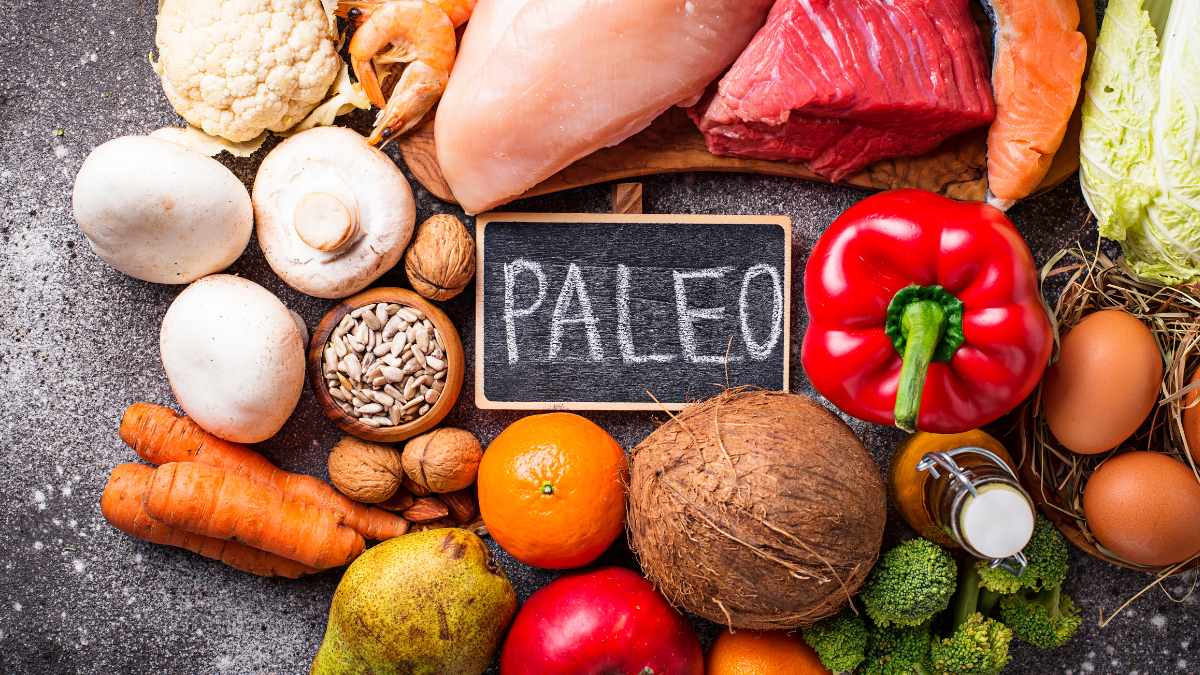
The Paleo diet, often referred to as the "caveman diet," is based on the idea of consuming foods that our ancestors would have eaten during the Paleolithic era. This dietary approach emphasizes whole, unprocessed foods, including lean meats, fish, fruits, vegetables, nuts, and seeds, while excluding grains, legumes, dairy, refined sugars, and processed foods.
One of the key principles of the Paleo diet is its focus on nutrient density. By prioritizing whole foods, the diet aims to provide essential vitamins, minerals, and antioxidants that support overall health. For instance, fruits and vegetables are rich in antioxidants, which can help combat oxidative stress and inflammation.
Another important aspect of the Paleo diet is its potential to improve gut health. The exclusion of processed foods and added sugars may lead to a healthier gut microbiome, which has been linked to reduced inflammation and better immune function. A balanced gut microbiome is essential for maintaining overall health and may play a role in managing joint pain.
Finally, the Paleo diet encourages a more natural eating pattern, which can lead to better satiety and weight management. Maintaining a healthy weight is crucial for reducing stress on joints and alleviating pain. By adopting the principles of the Paleo diet, individuals may find a pathway to improved joint health and overall well-being.
The Role of Inflammation in Joint Pain Management
Inflammation is a double-edged sword in the context of joint pain. While it is a necessary part of the body’s healing process, chronic inflammation can lead to tissue damage and persistent pain. Understanding the role of inflammation is vital for effective joint pain management.
Several factors contribute to chronic inflammation, including poor diet, lack of physical activity, and stress. Diets high in processed foods, sugars, and unhealthy fats can promote inflammatory pathways, leading to increased pain and discomfort. Conversely, anti-inflammatory foods can help mitigate these effects and support joint health.
The management of inflammation often involves dietary changes aimed at reducing inflammatory markers in the body. Foods rich in omega-3 fatty acids, such as fatty fish, flaxseeds, and walnuts, have been shown to have anti-inflammatory properties. Additionally, antioxidants found in fruits and vegetables can help neutralize free radicals, reducing oxidative stress and inflammation.
Incorporating anti-inflammatory foods into one’s diet can be a powerful tool for managing joint pain. By focusing on whole, nutrient-dense foods, individuals may experience a reduction in inflammation, leading to improved joint function and decreased pain.
Analyzing Paleo Diet’s Impact on Inflammation and Pain
The Paleo diet’s emphasis on whole, unprocessed foods aligns with the principles of reducing inflammation. By eliminating processed foods, sugars, and unhealthy fats, the diet may help lower inflammatory markers in the body. This reduction in inflammation is particularly relevant for individuals suffering from joint pain, as it can lead to decreased discomfort and improved mobility.
Research has indicated that diets rich in fruits, vegetables, and omega-3 fatty acids can significantly reduce inflammation. The Paleo diet naturally incorporates these foods, promoting a higher intake of anti-inflammatory nutrients. For instance, the inclusion of leafy greens, berries, and fatty fish can provide essential vitamins and minerals that support the body’s anti-inflammatory processes.
Moreover, the Paleo diet encourages a balanced intake of protein, which is crucial for tissue repair and recovery. Adequate protein consumption supports muscle health, which can help stabilize joints and reduce pain. By focusing on high-quality protein sources, individuals may experience improved joint function and overall physical health.
While anecdotal evidence suggests that many individuals report reduced joint pain after adopting the Paleo diet, further research is needed to establish a direct causal relationship. Nonetheless, the diet’s focus on anti-inflammatory foods makes it a promising option for those seeking relief from joint pain.
Clinical Studies: Paleo Diet and Joint Pain Relief Evidence
Several clinical studies have explored the relationship between the Paleo diet and joint pain relief. While research in this area is still emerging, initial findings suggest a potential benefit for individuals suffering from inflammatory joint conditions.
One study published in the American Journal of Clinical Nutrition found that participants following a Paleo diet experienced significant reductions in inflammatory markers compared to those on a standard diet. These findings indicate that the Paleo diet may help lower inflammation, which is a critical factor in managing joint pain.
Another study conducted on individuals with osteoarthritis revealed that those who adopted a Paleo diet reported improvements in pain levels and joint function. Participants noted a decrease in stiffness and an increase in overall mobility, suggesting that dietary changes can have a positive impact on joint health.
However, it is essential to approach these findings with caution. While the evidence is promising, more extensive and rigorous studies are needed to confirm the long-term effects of the Paleo diet on joint pain. Future research should focus on larger populations and diverse demographics to better understand the diet’s impact on various types of joint pain.
Practical Considerations: Implementing Paleo for Joint Health
Implementing the Paleo diet for joint health requires careful planning and consideration. Individuals interested in adopting this dietary approach should start by gradually eliminating processed foods, sugars, and unhealthy fats from their diets. This transition can help ease the body into a new eating pattern while minimizing withdrawal symptoms associated with sugar and processed foods.
Incorporating a variety of fruits and vegetables is crucial for ensuring adequate nutrient intake. Aim for a colorful plate, as different colors indicate a range of vitamins, minerals, and antioxidants. This diversity can help combat inflammation and support overall health.
Additionally, individuals should focus on sourcing high-quality protein. Grass-fed meats, wild-caught fish, and free-range poultry are excellent options that align with the principles of the Paleo diet. These protein sources are not only nutrient-dense but also provide essential fatty acids that can further support joint health.
Lastly, it is important to listen to one’s body and make adjustments as needed. While the Paleo diet may offer benefits for joint pain, individual responses can vary. Consulting with a healthcare professional or registered dietitian can provide personalized guidance and ensure that nutritional needs are met while following the diet.
Conclusions:
The relationship between diet and joint pain management is complex, with emerging evidence suggesting that the Paleo diet may offer potential benefits for individuals suffering from joint pain. By focusing on whole, unprocessed foods and reducing inflammation, the diet aligns with the principles of effective joint pain management. However, further research is needed to establish definitive conclusions. Individuals considering the Paleo diet should approach it thoughtfully, ensuring a well-balanced intake of nutrients while consulting with healthcare professionals for personalized guidance.
Read more
-
American Journal of Clinical Nutrition – Paleo Diet and Inflammation
This study explores the effects of the Paleo diet on inflammatory markers and overall health. -
National Institutes of Health – Dietary Approaches to Joint Pain
A comprehensive overview of various dietary approaches and their impact on joint pain management. -
Healthline – The Paleo Diet: Benefits and Risks
An informative article discussing the principles of the Paleo diet and its potential health benefits. -
Journal of Nutritional Biochemistry – Anti-Inflammatory Effects of Omega-3 Fatty Acids
This research highlights the anti-inflammatory properties of omega-3 fatty acids found in the Paleo diet. -
Mayo Clinic – Osteoarthritis: Symptoms and Causes
A reliable source for understanding osteoarthritis, its symptoms, and management strategies, including dietary considerations.