

Se hai un abbonamento attivo ACCEDI QUI
Introduction:
The Paleo diet, inspired by the dietary patterns of our ancestors, emphasizes whole foods such as lean meats, fish, fruits, vegetables, nuts, and seeds while eliminating processed foods, grains, and dairy. Many individuals turn to this diet for various reasons, including weight loss, improved energy levels, and better overall health. However, a common question arises: how long does it take to feel better on the Paleo diet? Understanding the timeline for improvement can help individuals remain motivated and committed to their dietary changes. This article delves into the principles of the Paleo diet, the initial adaptation phase, potential nutritional deficiencies, individual variability, common symptoms, and the long-term benefits of this dietary approach.
Understanding the Paleo Diet: Principles and Guidelines
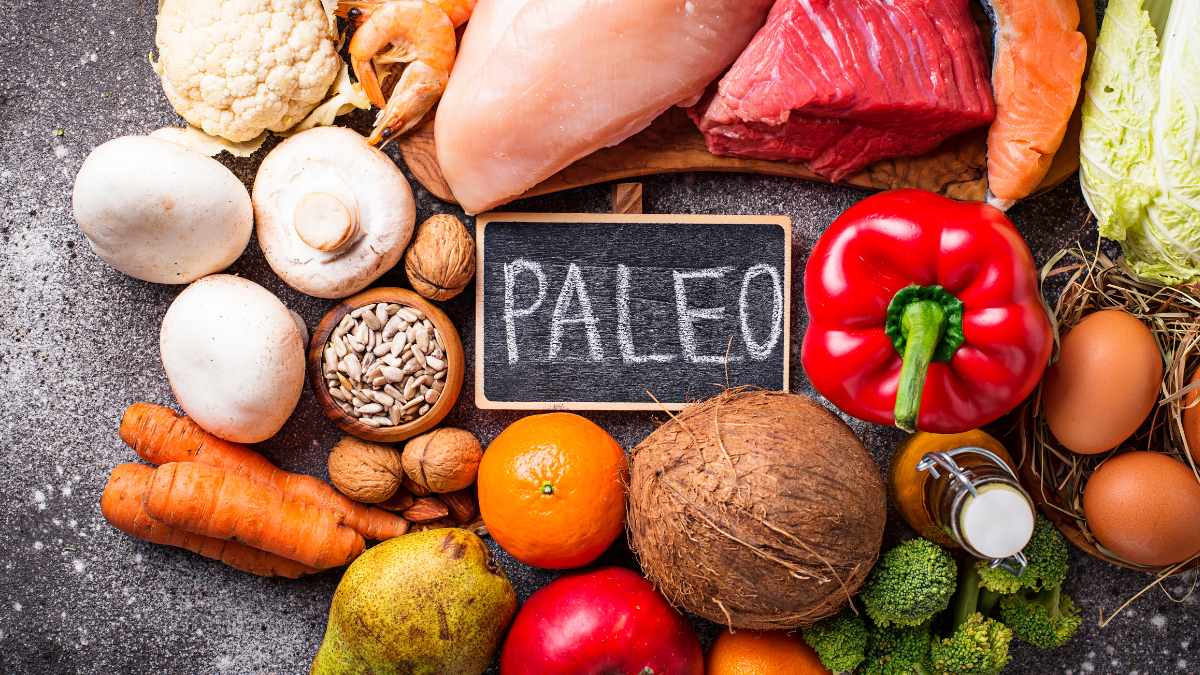
The Paleo diet is rooted in the idea that modern humans should eat in a manner similar to our Paleolithic ancestors. This diet primarily consists of foods that can be hunted or gathered, such as lean meats, fish, fruits, vegetables, nuts, and seeds. The core principles of the Paleo diet advocate for the elimination of processed foods, refined sugars, grains, legumes, and dairy products. By focusing on nutrient-dense foods, proponents believe that individuals can improve their health and well-being.
In addition to food choices, the Paleo diet encourages a lifestyle that incorporates physical activity, adequate sleep, and stress management. These elements are crucial for achieving optimal health and well-being. The diet promotes a return to natural eating patterns, which can help regulate metabolism and improve the body’s ability to process nutrients efficiently. Understanding these principles is essential for anyone considering the Paleo diet, as they provide the foundation for the changes that will follow.
When transitioning to the Paleo diet, individuals are encouraged to gradually eliminate non-Paleo foods while introducing more whole foods into their meals. This approach can help mitigate withdrawal symptoms that may arise from cutting out sugar and processed foods. Additionally, meal planning and preparation play a significant role in successfully adhering to the diet, as they can help individuals avoid the temptation of convenience foods.
Ultimately, the Paleo diet is not just about food; it’s about adopting a holistic approach to health. This means understanding the importance of lifestyle factors and how they interact with dietary choices. By committing to these principles, individuals can set themselves up for success on their journey toward improved health.
Initial Adaptation Phase: What to Expect in the First Week
The first week on the Paleo diet can be a period of significant adjustment. Many individuals experience withdrawal symptoms as their bodies adapt to the absence of processed foods and sugars. Common symptoms during this initial phase may include fatigue, headaches, irritability, and cravings for non-Paleo foods. These symptoms are often referred to as the "Paleo flu" and can last anywhere from a few days to a week.
During this adaptation phase, it is crucial to stay hydrated and consume plenty of nutrient-dense foods to support the body’s transition. Eating a variety of vegetables, healthy fats, and quality proteins can help alleviate some of the discomfort associated with withdrawal. Additionally, incorporating regular physical activity can boost mood and energy levels, making the transition smoother.
As the body adjusts, many individuals begin to notice improvements in their energy levels and mental clarity. This can happen as early as the second week, as the body becomes more efficient at utilizing fats for fuel instead of carbohydrates. The initial discomfort often gives way to a newfound sense of vitality, making the effort to adapt worthwhile.
It’s important to remember that everyone’s experience is unique. While some may feel better within a week, others may take longer to adjust. Patience and self-compassion are essential during this time, as the body is undergoing significant changes that require time to stabilize.
Nutritional Deficiencies: Impact on Recovery Time
One potential challenge when transitioning to the Paleo diet is the risk of nutritional deficiencies, particularly if the diet is not well-planned. For instance, eliminating grains and dairy can lead to lower intake of certain vitamins and minerals, such as calcium, vitamin D, and B vitamins. These deficiencies can impact recovery time and overall well-being, making it essential to ensure a balanced intake of nutrients.
To mitigate the risk of deficiencies, individuals should focus on incorporating a wide variety of foods into their meals. Leafy greens, nuts, seeds, and fish can provide essential nutrients that may be lacking in a strict Paleo diet. Additionally, considering supplementation for specific nutrients, such as vitamin D or omega-3 fatty acids, can be beneficial for those who may not get enough from food sources alone.
Monitoring symptoms and energy levels is crucial during this phase. If individuals experience prolonged fatigue, mood swings, or other concerning symptoms, it may indicate a need for dietary adjustments or supplementation. Consulting with a healthcare professional or a registered dietitian can provide personalized guidance to ensure nutritional needs are met.
Ultimately, addressing potential nutritional deficiencies is key to optimizing recovery time on the Paleo diet. By prioritizing nutrient-dense foods and being mindful of dietary balance, individuals can enhance their overall health and well-being as they adapt to this new way of eating.
Individual Variability: Factors Affecting Healing Duration
The duration of time it takes to feel better on the Paleo diet can vary significantly from person to person. Several factors contribute to this variability, including age, gender, metabolic rate, and pre-existing health conditions. For example, younger individuals with higher metabolic rates may adapt more quickly than older adults who may have slower metabolisms or underlying health issues.
Another important factor is an individual’s previous dietary habits. Those who have been consuming a diet high in processed foods may experience more pronounced withdrawal symptoms and a longer adaptation period compared to those who have already been eating a relatively healthy diet. The body’s ability to detoxify and adjust to new food sources plays a crucial role in determining how quickly one feels better.
Mental and emotional factors also influence recovery time. Individuals who approach the Paleo diet with a positive mindset and a strong commitment to their health goals may find it easier to adapt and experience improvements more rapidly. Conversely, those who struggle with cravings or have a negative outlook may find the transition more challenging and prolonged.
Lastly, the level of support from friends, family, or a community can impact an individual’s experience on the Paleo diet. Having a support system can provide motivation and encouragement, making it easier to stay committed to dietary changes and ultimately feel better more quickly.
Common Symptoms: Tracking Progress on the Paleo Diet
As individuals transition to the Paleo diet, tracking symptoms can be an effective way to monitor progress and identify areas for improvement. Common symptoms experienced during the adaptation phase include fatigue, digestive issues, cravings, and mood swings. Keeping a food diary can help individuals correlate their dietary choices with their symptoms, allowing for adjustments as needed.
Improvement in symptoms is often a gradual process. Many individuals report increased energy levels and improved digestion within the first few weeks. As the body adapts to the new diet, symptoms such as bloating, gas, and fatigue may decrease significantly. This progress can serve as motivation to continue adhering to the diet.
In addition to physical symptoms, individuals may also notice changes in mental clarity and mood. Many people on the Paleo diet report improved focus and reduced anxiety as they eliminate processed foods and sugars. Tracking these changes can provide valuable insights into the positive effects of the diet on overall well-being.
It’s important to remember that not all symptoms will resolve immediately, and some individuals may experience fluctuations in their well-being during the adaptation phase. Regularly assessing progress and being mindful of both physical and emotional health can help individuals stay on track and make necessary adjustments to their dietary approach.
Long-Term Benefits: When to Expect Sustained Improvement
While the initial adaptation phase may present challenges, the long-term benefits of the Paleo diet can be significant. Many individuals report sustained improvements in energy levels, weight management, and overall health after several weeks or months on the diet. Long-term adherence to the Paleo diet can lead to reduced inflammation, better blood sugar control, and improved cardiovascular health.
Typically, individuals may start to notice these long-term benefits within 4 to 8 weeks of consistently following the Paleo diet. During this period, the body becomes more efficient at utilizing nutrients and managing energy levels. Many people also find that their cravings for processed foods diminish, making it easier to stick to the diet.
Moreover, the Paleo diet encourages a focus on whole, nutrient-dense foods, which can lead to improved nutrient intake over time. As individuals become more familiar with Paleo-friendly foods and cooking methods, they may discover new recipes and meal ideas that enhance their overall enjoyment of food and health.
Ultimately, the timeline for experiencing sustained improvement on the Paleo diet will vary among individuals. However, with commitment and a focus on nutrient-dense foods, many people can expect to feel the benefits of this dietary approach in the months following their initial transition.
Conclusions:
Transitioning to the Paleo diet can be a transformative experience, but the timeline for feeling better varies widely among individuals. Factors such as initial adaptation, nutritional deficiencies, individual variability, and tracking progress all play crucial roles in determining how quickly one can expect to see improvements. By understanding these elements and committing to a balanced and nutrient-dense approach, individuals can navigate the challenges of the Paleo diet and ultimately reap its long-term benefits.
Read more:
- The Paleo Diet: A Beginner’s Guide – Healthline provides a comprehensive overview of the Paleo diet, its principles, and guidelines for beginners.
- Understanding Nutritional Deficiencies – A study published in the National Institutes of Health discusses the impact of dietary changes on nutritional deficiencies and recovery.
- The Science Behind the Paleo Diet – This article explores the scientific basis for the Paleo diet and its potential health benefits.
- Tracking Symptoms on a New Diet – A research article that discusses the importance of tracking symptoms when transitioning to a new dietary approach.
- Long-Term Benefits of the Paleo Diet – An analysis of the long-term effects of the Paleo diet on health outcomes.