


Introduction:
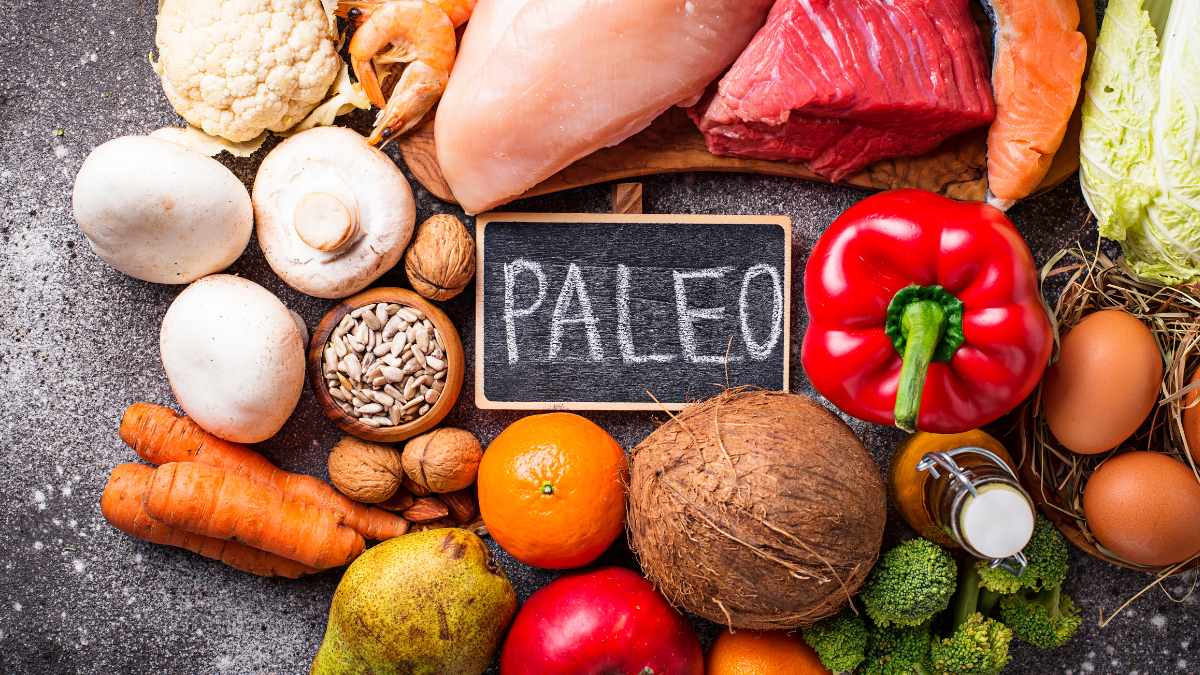
The Paleo diet, often referred to as the "caveman diet," is a nutritional approach that emphasizes the consumption of foods presumed to have been available to our Paleolithic ancestors. This diet primarily focuses on whole foods, such as lean meats, fish, fruits, vegetables, nuts, and seeds, while excluding processed foods, grains, legumes, and dairy products. However, the inclusion of cheese in the Paleo diet remains a contentious topic among enthusiasts and nutritionists. This article delves into the principles of the Paleo diet, the role of dairy in traditional diets, the nutritional aspects of cheese, and expert opinions to determine whether cheese can fit within the Paleo framework.
Understanding the Paleo Diet: Principles and Guidelines
The Paleo diet is grounded in the belief that modern humans should eat in a manner similar to our hunter-gatherer ancestors. This approach is rooted in the idea that our bodies are genetically predisposed to thrive on foods that were available before the advent of agriculture. Core principles of the Paleo diet include the consumption of whole, unprocessed foods, an emphasis on high-quality animal proteins, and a focus on seasonal and local produce.
Guidelines for following the Paleo diet typically advocate for the elimination of processed foods, refined sugars, grains, legumes, and dairy. Proponents argue that these food groups can lead to various health issues, including inflammation, weight gain, and chronic diseases. Instead, followers are encouraged to consume a variety of meats, fish, fruits, vegetables, nuts, and seeds, which are believed to provide optimal nutrition.
Another essential aspect of the Paleo diet is the focus on healthy fats, such as those derived from avocados, olive oil, and nuts. These fats are considered beneficial for overall health and can help maintain satiety. Additionally, the diet encourages physical activity and a lifestyle that mirrors that of our ancestors, emphasizing the importance of movement and connection with nature.
While the Paleo diet has gained popularity for its potential health benefits, it is essential to recognize that it may not be suitable for everyone. Individual dietary needs and preferences can vary significantly, and some people may find it challenging to adhere strictly to the guidelines. Understanding these principles is crucial for evaluating the compatibility of cheese with the Paleo diet.
The Role of Dairy in Traditional Paleolithic Diets
Dairy products, including cheese, were not part of the traditional Paleolithic diet, as they became prominent only after the domestication of animals during the Neolithic era. Anthropological evidence suggests that early humans primarily consumed animal products that were hunted or gathered, which did not include milk or its derivatives. Consequently, many Paleo advocates argue that dairy should be excluded from the diet.
However, some researchers point out that certain groups of hunter-gatherers may have consumed fermented dairy products, which could have been a part of their diet in limited quantities. Fermented dairy is believed to have provided beneficial probiotics, which can aid digestion and contribute to gut health. This raises the question of whether cheese, particularly aged or fermented varieties, could be considered acceptable within the Paleo framework.
Moreover, the cultural context of dairy consumption cannot be overlooked. In some regions, dairy has been a staple food for thousands of years, and certain populations have developed lactose tolerance. This adaptation allows some individuals to digest dairy products without experiencing adverse effects. However, this tolerance is not universal, and many people remain lactose intolerant, which complicates the inclusion of dairy in the Paleo diet.
Ultimately, the role of dairy in traditional Paleolithic diets is complex and varies across different cultures and regions. Understanding this context is essential for evaluating the compatibility of cheese with the Paleo principles.
Nutritional Composition of Cheese: Benefits and Drawbacks
Cheese is a nutrient-dense food that provides several essential nutrients, including protein, calcium, and vitamins A and B12. The high protein content in cheese can aid in muscle repair and growth, making it a popular choice among those seeking to increase their protein intake. Additionally, cheese is a source of healthy fats, which can contribute to satiety and overall energy balance.
However, cheese also has its drawbacks. High sodium content in many cheese varieties can lead to increased blood pressure and other cardiovascular issues if consumed excessively. Furthermore, the calorie density of cheese can contribute to weight gain if not moderated within a balanced diet. These factors raise concerns about the role of cheese in a health-conscious eating plan.
Another consideration is the presence of additives and preservatives in some commercial cheeses. Many processed cheese products contain artificial ingredients that may not align with the whole-food philosophy of the Paleo diet. Therefore, individuals who choose to include cheese in their diet should prioritize high-quality, minimally processed options.
In summary, while cheese offers several nutritional benefits, it also presents potential drawbacks that must be weighed carefully. Understanding the nutritional composition of cheese is crucial for making informed decisions about its inclusion in a Paleo diet.
Examining Lactose and Casein: Paleo Considerations
Lactose, the sugar found in milk, and casein, the primary protein in dairy products, are two components that often come under scrutiny in discussions about the Paleo diet. Many individuals are lactose intolerant, meaning they lack the enzyme lactase necessary to digest lactose effectively. For these individuals, consuming dairy products can lead to gastrointestinal discomfort, bloating, and other adverse effects.
Casein, on the other hand, has been linked to various health concerns, including inflammation and allergies. Some proponents of the Paleo diet argue that casein can provoke immune responses in sensitive individuals, leading to negative health outcomes. This concern is particularly relevant for those with autoimmune conditions or other inflammatory disorders.
Despite these considerations, some forms of cheese, particularly aged and hard varieties, contain lower levels of lactose and may be better tolerated by those who are lactose intolerant. Fermentation processes can also reduce lactose content, making certain cheeses more compatible with a Paleo lifestyle. This nuance highlights the importance of individual tolerance and dietary preferences when evaluating cheese’s role in the diet.
Ultimately, the decision to include cheese in a Paleo diet should take into account personal health considerations, including lactose intolerance and sensitivity to casein. Understanding these factors is essential for making informed dietary choices.
Expert Opinions: Cheese in the Context of Paleo Diet
Nutrition experts and dietitians have varying opinions on the inclusion of cheese in the Paleo diet. Some argue that cheese can be a valuable source of nutrients and can fit within a balanced Paleo approach when consumed in moderation. They emphasize the importance of choosing high-quality, organic, and minimally processed cheeses that align with the principles of whole-food eating.
Conversely, other experts maintain a strict interpretation of the Paleo diet, asserting that dairy products, including cheese, should be excluded entirely. They argue that the absence of dairy in the diets of our Paleolithic ancestors suggests that it is not a natural food for humans. This perspective is particularly prevalent among those who advocate for strict adherence to the original Paleo principles.
Additionally, some nutritionists highlight the potential benefits of fermented dairy products, including cheese, as sources of probiotics that can support gut health. They argue that these benefits may outweigh the potential drawbacks for certain individuals, particularly those who can tolerate dairy well.
In conclusion, expert opinions on cheese’s compatibility with the Paleo diet are diverse, reflecting the complexity of individual dietary needs and preferences. It is essential for individuals to consider their unique health circumstances when making decisions about including cheese in their diet.
Conclusions: Is Cheese Compatible with Paleo Principles?
The question of whether cheese is compatible with Paleo principles is multifaceted and depends on various factors, including individual health, dietary preferences, and the specific type of cheese in question. While traditional Paleolithic diets did not include dairy products, some modern interpretations of the Paleo diet allow for the inclusion of high-quality, minimally processed cheeses, particularly those that are aged or fermented.
Individuals who are lactose intolerant or sensitive to casein may need to avoid cheese altogether, while those who can tolerate it may find that certain cheeses can fit within a balanced Paleo framework. Ultimately, the decision to include cheese in a Paleo diet should be based on personal health considerations, nutritional goals, and individual tolerance.
As with any dietary approach, it is essential to prioritize whole, nutrient-dense foods and to listen to one’s body. By understanding the complexities surrounding cheese and the Paleo diet, individuals can make informed choices that align with their health and lifestyle goals.
Read more
- The Paleo Diet: A Beginner’s Guide – An overview of the Paleo diet, its principles, and guidelines for beginners.
- The Role of Dairy in the Paleo Diet – A discussion on the considerations of including dairy in a Paleo diet.
- Nutritional Benefits of Cheese – A research article outlining the nutritional composition and benefits of cheese.
- Lactose Intolerance and Dairy – Information on lactose intolerance and its implications for dairy consumption.
- Expert Opinions on Dairy and the Paleo Diet – Insights from nutrition experts regarding the inclusion of dairy in the Paleo diet.


