

Introduction:
The Paleo diet, often referred to as the "caveman diet," emphasizes whole, unprocessed foods that our ancestors would have consumed. This dietary approach has gained immense popularity due to its focus on natural ingredients, promoting health and wellness. However, the inclusion of certain foods, particularly dairy products, has sparked considerable debate among enthusiasts and practitioners. One such food that often comes under scrutiny is Greek yogurt. This article delves into the compatibility of Greek yogurt with the principles of the Paleo diet, examining its nutritional profile, the role of dairy, and the distinctions between Greek and traditional yogurt.
Understanding the Paleo Diet: Principles and Guidelines
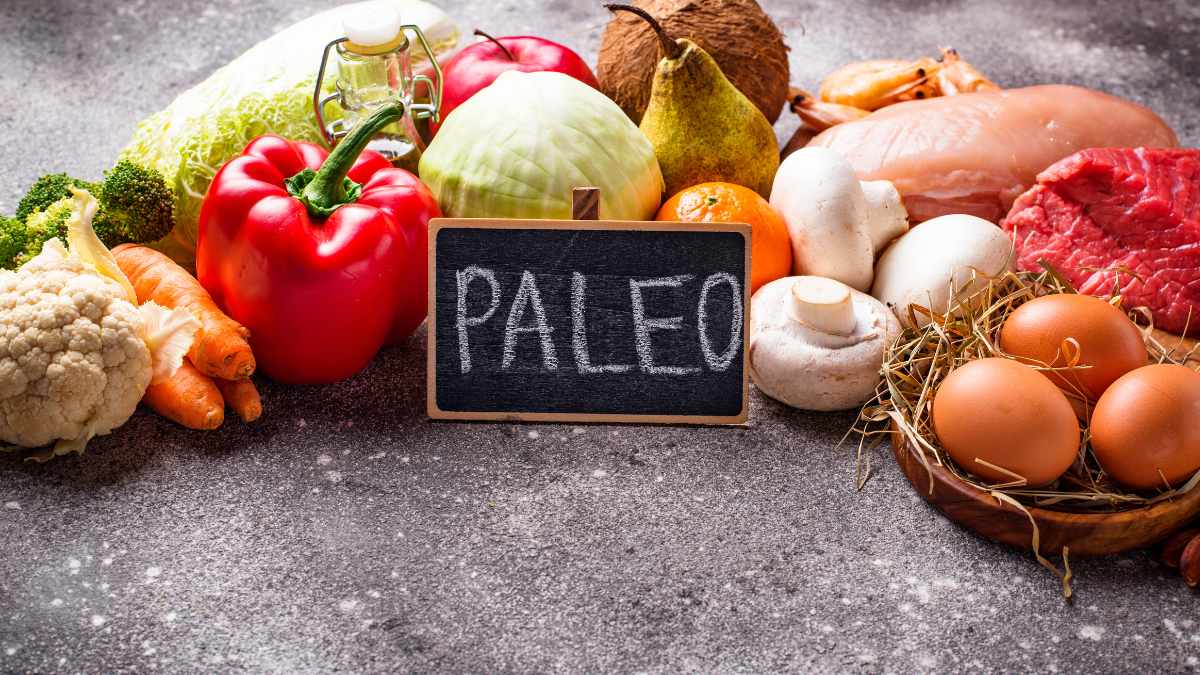
The Paleo diet is built on the premise of consuming foods that were available during the Paleolithic era, which lasted until about 10,000 years ago. This diet primarily consists of lean meats, fish, fruits, vegetables, nuts, and seeds. Processed foods, grains, legumes, and dairy products are typically excluded, as these were not part of our ancestors’ diets. The rationale behind this eating pattern is that modern agricultural practices have led to the introduction of various foods that may contribute to health issues.
One of the core principles of the Paleo diet is to focus on nutrient-dense foods that provide essential vitamins and minerals without the additives and preservatives found in processed options. This approach encourages the consumption of whole foods that promote satiety and overall health. The emphasis is on quality, with many adherents opting for grass-fed meats, organic produce, and sustainably sourced seafood.
Moreover, the Paleo diet encourages mindful eating and a connection to food sources, promoting a lifestyle that values health and well-being. It also advocates for the elimination of refined sugars and unhealthy fats, which are often found in modern diets. By adhering to these principles, followers aim to reduce inflammation, improve digestion, and enhance overall vitality.
In summary, the Paleo diet is characterized by its focus on whole, unprocessed foods while excluding grains, legumes, and most dairy products. Understanding these foundational principles is crucial when evaluating the compatibility of specific foods, such as Greek yogurt, with this dietary framework.
Nutritional Composition of Greek Yogurt: A Detailed Analysis
Greek yogurt is renowned for its rich nutritional profile, making it a popular choice among health-conscious individuals. It is primarily made from cow’s milk, which is strained to remove whey, resulting in a thicker texture and higher protein content compared to regular yogurt. A typical serving of Greek yogurt contains approximately 15-20 grams of protein, making it an excellent source of this essential macronutrient.
In addition to protein, Greek yogurt is also rich in probiotics, which are beneficial bacteria that promote gut health. These probiotics can aid in digestion and enhance the immune system. Furthermore, Greek yogurt is a good source of calcium, potassium, and vitamin B12, contributing to overall nutritional intake. However, the exact nutritional composition can vary based on the brand and whether the yogurt is full-fat, low-fat, or non-fat.
Despite its benefits, Greek yogurt does contain lactose, a natural sugar found in dairy products. While some individuals can tolerate lactose, others may experience digestive issues when consuming dairy. This aspect is particularly relevant for those following a strict Paleo diet, as many adherents avoid lactose altogether.
Overall, Greek yogurt boasts a high protein content, essential vitamins, and probiotics, making it a nutritious option. However, the presence of lactose and its dairy origin raises questions about its compatibility with Paleo principles.
The Role of Dairy in Paleo Diet: Acceptable or Not?
Dairy products have long been a contentious topic within the Paleo community. Traditional Paleo advocates argue that dairy is a relatively recent addition to the human diet, introduced with the advent of agriculture. As such, they contend that dairy products may not be suitable for those aiming to replicate the dietary habits of our ancestors. This perspective is rooted in the belief that humans did not consume dairy until they began domesticating animals, which occurred thousands of years after the Paleolithic era.
On the other hand, some modern interpretations of the Paleo diet allow for certain dairy products, particularly those that are minimally processed and high in nutrients. Proponents of this view argue that fermented dairy products, such as yogurt and kefir, can be beneficial due to their probiotic content. These individuals may choose to include Greek yogurt in their diets, citing its nutritional benefits and lower lactose content compared to other dairy products.
Another consideration is the quality of the dairy consumed. Many followers of the Paleo diet advocate for organic, grass-fed, or raw dairy products, which are believed to be more compatible with a health-focused lifestyle. This approach emphasizes the importance of sourcing food responsibly and being mindful of the potential health impacts of conventional dairy farming practices.
Ultimately, the role of dairy in the Paleo diet remains a subject of debate. While traditional Paleo guidelines exclude dairy entirely, some modern interpretations allow for selective inclusion, particularly when it comes to nutrient-dense options like Greek yogurt.
Greek Yogurt vs. Traditional Yogurt: Key Differences Explained
When comparing Greek yogurt to traditional yogurt, several key differences emerge that can influence dietary choices. One of the most significant distinctions is the straining process. Greek yogurt undergoes a more extensive straining process, which results in a thicker texture and a higher concentration of protein. This makes it a popular choice for those seeking to increase their protein intake without consuming excessive calories.
Another difference lies in the lactose content. Greek yogurt typically contains less lactose than traditional yogurt due to the straining process, making it potentially easier to digest for individuals with lactose intolerance. However, it is essential to note that it is not entirely lactose-free, which may still pose issues for some individuals.
In terms of taste and culinary uses, Greek yogurt has a tangier flavor and a creamier consistency compared to traditional yogurt. This makes it a versatile ingredient in both savory and sweet dishes, from smoothies to dips and dressings. On the other hand, traditional yogurt is often sweeter and may be more appealing for those who prefer a milder taste.
Nutritionally, while both types of yogurt offer health benefits, Greek yogurt generally provides higher protein content and lower sugar levels. This makes it a preferred option for those following a high-protein diet or looking to manage their sugar intake. Understanding these differences can help individuals make informed choices about which type of yogurt aligns with their dietary preferences and health goals.
Evaluating Greek Yogurt: Benefits and Potential Drawbacks
Greek yogurt presents several health benefits that make it an appealing option for many individuals. One of the most notable advantages is its high protein content, which can aid in muscle recovery and promote satiety. This makes it an excellent choice for those looking to maintain or build muscle mass while managing their weight. Additionally, the probiotics found in Greek yogurt support gut health, potentially improving digestion and enhancing the immune system.
Another benefit is its versatility in the kitchen. Greek yogurt can be used as a base for smoothies, salad dressings, and even baked goods, allowing individuals to incorporate it into various meals. Its creamy texture makes it a popular substitute for sour cream or mayonnaise, providing a healthier alternative.
However, there are potential drawbacks to consider. For individuals adhering strictly to the Paleo diet, the inclusion of Greek yogurt may conflict with their principles due to its dairy origin. Lactose intolerance is another concern, as some individuals may experience digestive discomfort after consuming dairy products.
Moreover, not all Greek yogurts are created equal. Many commercially available options contain added sugars, artificial flavors, or preservatives, which can undermine their nutritional benefits. It is essential to read labels carefully and choose products that are free from additives and made with high-quality ingredients.
In summary, Greek yogurt offers numerous health benefits, including high protein content and gut health support. However, its dairy origin and potential for added sugars necessitate careful consideration for those following a strict Paleo diet.
Conclusions: Is Greek Yogurt Compatible with Paleo Principles?
The question of whether Greek yogurt is compatible with Paleo principles ultimately depends on individual interpretations of the diet. Traditional Paleo guidelines exclude dairy products, including Greek yogurt, due to their relatively recent introduction into the human diet. For strict adherents, the presence of lactose and the dairy origin of Greek yogurt may render it unsuitable.
Conversely, some modern interpretations of the Paleo diet allow for the inclusion of certain dairy products, particularly those that are minimally processed and nutrient-dense. Greek yogurt, with its high protein content and probiotic benefits, may be embraced by those who prioritize these attributes.
Ultimately, the decision to include Greek yogurt in a Paleo diet should be based on personal health goals, dietary preferences, and individual tolerance to dairy. For those who can tolerate it and choose high-quality options, Greek yogurt can be a nutritious addition to a balanced diet.
In conclusion, while Greek yogurt may not align with traditional Paleo principles, it can still be a valuable food choice for individuals who adopt a more flexible approach to the diet.
Read more
- The Paleo Diet – An authoritative source on the principles and guidelines of the Paleo diet.
- NutritionData: Greek Yogurt – A detailed nutritional analysis of Greek yogurt, including its macronutrient breakdown.
- Paleo Leap: Dairy and the Paleo Diet – An exploration of the role of dairy in the Paleo diet, discussing various perspectives on its inclusion.
- Healthline: Greek Yogurt vs. Regular Yogurt – A comparison of Greek yogurt and traditional yogurt, highlighting their nutritional differences.
- Mayo Clinic: Probiotics: What You Need to Know – An overview of probiotics, their benefits, and their presence in foods like Greek yogurt.