

Introduction:
The Paleo diet has gained significant popularity in recent years, advocating for a return to the dietary habits of our ancestors. This approach emphasizes whole foods, lean meats, fish, fruits, vegetables, nuts, and seeds, while eliminating processed foods, grains, legumes, and dairy. However, one question that often arises among those following this dietary regimen is whether honey is permissible. This article delves into the principles of the Paleo diet, the role of natural sweeteners, the nutritional profile of honey, and expert opinions on its compatibility with a Paleo lifestyle.
Understanding the Paleo Diet: Principles and Guidelines
The Paleo diet is rooted in the belief that modern humans should eat in a way that aligns with our evolutionary history. This means consuming foods that were available to our hunter-gatherer ancestors, which primarily included unprocessed, whole foods. The primary principles of the Paleo diet revolve around the exclusion of grains, legumes, dairy, and processed foods, which are believed to contribute to various health issues prevalent in modern society.
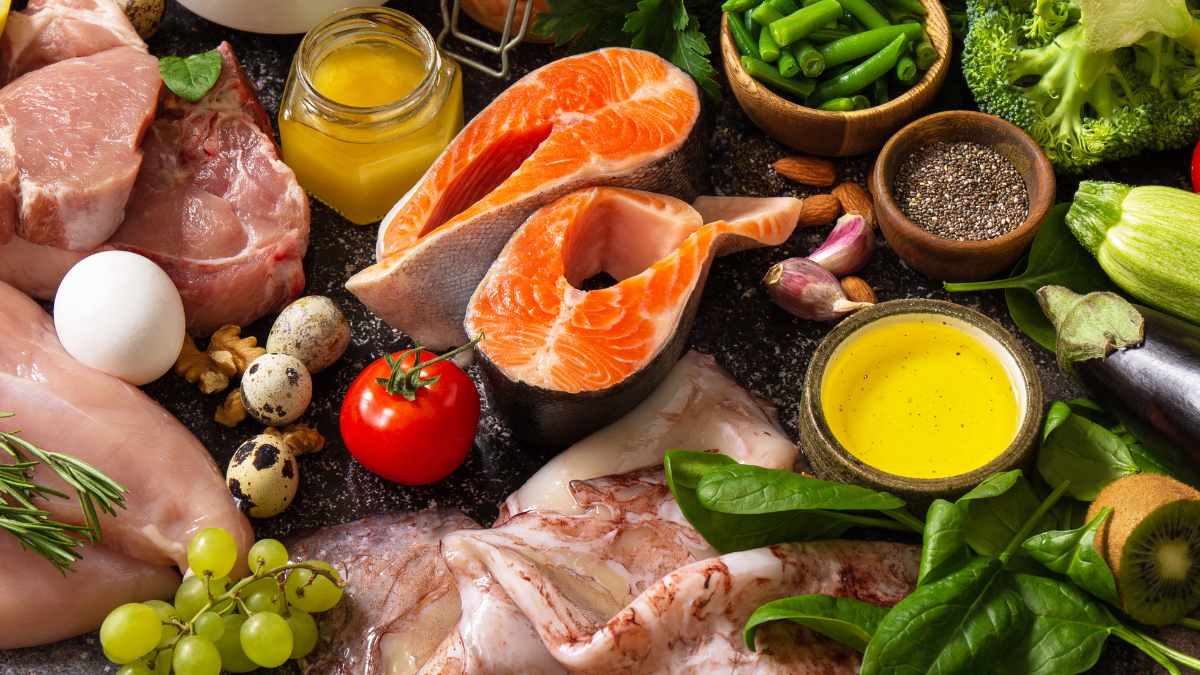
Adherents of the Paleo diet often focus on foods that are nutrient-dense and low in anti-nutrients, which are compounds that can interfere with the absorption of nutrients. The diet encourages the consumption of grass-fed meats, wild-caught fish, organic fruits and vegetables, nuts, and seeds. These foods are thought to provide optimal nutrition while minimizing the risk of chronic diseases.
One of the key guidelines of the Paleo diet is to avoid refined sugars and artificial sweeteners, which are often linked to obesity and metabolic disorders. As a result, many individuals following this diet seek out natural sweeteners that align with the principles of Paleo nutrition. This leads to the question of whether honey, a natural sweetener, fits into this dietary framework.
The Paleo diet is not just about what to eat; it also emphasizes the importance of lifestyle factors such as physical activity, sleep, and stress management. This holistic approach aims to promote overall well-being, making it essential for followers to consider not only their food choices but also their lifestyle habits.
The Role of Natural Sweeteners in Paleo Nutrition
Natural sweeteners play a significant role in the Paleo diet, as they offer alternatives to refined sugars while still satisfying the sweet tooth. Common natural sweeteners include maple syrup, coconut sugar, and honey. These sweeteners are often perceived as healthier options because they are less processed and contain some nutrients that refined sugars lack.
Honey, in particular, has been used for centuries not only as a sweetener but also for its medicinal properties. It is rich in antioxidants, vitamins, and minerals, making it a popular choice among those seeking to maintain a Paleo lifestyle. However, the use of honey is often debated due to its high sugar content, which can impact blood sugar levels.
When considering the role of sweeteners in a Paleo diet, it is essential to recognize that moderation is key. While natural sweeteners can be included, they should not dominate the diet. The focus should remain on whole, nutrient-dense foods that provide the body with essential vitamins and minerals.
Moreover, the use of sweeteners, even natural ones, can sometimes lead to cravings for more sugar. This can create a cycle of dependency on sweet flavors, which may counteract the health benefits of a Paleo diet. Therefore, it is crucial for individuals to be mindful of their sweetener intake and prioritize whole foods.
Nutritional Profile of Honey: Benefits and Drawbacks
Honey is a complex substance composed primarily of fructose and glucose, with small amounts of vitamins, minerals, and antioxidants. Its glycemic index varies depending on the type of honey, but it generally falls within a moderate range. This means that while honey can provide a quick source of energy, it can also lead to spikes in blood sugar levels if consumed in excess.
One of the notable benefits of honey is its antioxidant content, which can help combat oxidative stress and inflammation in the body. Additionally, honey has been shown to possess antimicrobial properties, making it a potential natural remedy for various ailments, including sore throats and wounds.
However, despite its benefits, honey is still a form of sugar. Consuming it in large quantities can contribute to weight gain and other health issues associated with excessive sugar intake. Therefore, while honey can be a part of a balanced Paleo diet, it is essential to use it sparingly and in moderation.
Another consideration is that not all honey is created equal. Raw honey, for example, retains more of its natural nutrients compared to processed honey, which may lose some beneficial properties during refining. This distinction is important for those following a Paleo diet, as the quality of food choices can significantly impact overall health.
Comparing Honey to Other Sweeteners in Paleo Diet
When evaluating honey’s compatibility with the Paleo diet, it is helpful to compare it to other natural sweeteners commonly used within this framework. Maple syrup, for instance, is another popular option that is rich in minerals such as manganese and zinc. Like honey, it is also high in sugar, but its glycemic index is generally lower, making it a preferable choice for some individuals.
Coconut sugar is another alternative that has gained traction among Paleo enthusiasts. It is derived from the sap of coconut palms and contains small amounts of nutrients, including iron, zinc, and calcium. Coconut sugar has a lower glycemic index compared to regular sugar and honey, which may make it a more suitable option for those concerned about blood sugar spikes.
Stevia, a non-caloric sweetener derived from the leaves of the Stevia plant, is also often mentioned in discussions about sweeteners in the Paleo diet. While it does not provide calories or sugar, some individuals prefer to avoid it due to its highly processed nature. This highlights the ongoing debate within the Paleo community regarding the acceptability of various sweeteners.
Ultimately, the choice of sweetener is a personal one, and individuals must consider their health goals, dietary preferences, and how each sweetener affects their body. Moderation remains a key principle, regardless of the sweetener chosen.
Expert Opinions on Honey’s Compatibility with Paleo
Experts in nutrition and dietetics have varying opinions on the inclusion of honey in a Paleo diet. Some argue that honey, being a natural product, aligns with the principles of the diet and can be consumed in moderation. They emphasize the importance of choosing high-quality, raw honey to maximize its health benefits.
On the other hand, some nutritionists caution against using honey too liberally, citing its high sugar content. They recommend that individuals limit their intake of all sweeteners, including honey, to avoid potential negative health effects associated with excessive sugar consumption. These experts often advocate for a focus on whole foods rather than sweeteners, even natural ones.
The debate around honey’s compatibility with the Paleo diet also extends to individual health conditions. For those with diabetes or insulin resistance, even natural sweeteners like honey may not be advisable due to their impact on blood sugar levels. In such cases, consulting with a healthcare professional is crucial to determine the best dietary choices.
In summary, while honey can be included in a Paleo diet, it is essential to consider individual health goals, preferences, and the overall balance of the diet. Moderation and quality are key factors in making this decision.
Conclusions:
In conclusion, honey can be considered acceptable within a Paleo lifestyle when consumed in moderation and as part of a balanced diet. Its natural origins and potential health benefits make it a preferable choice over refined sugars. However, individuals should remain mindful of their overall sugar intake and prioritize whole, nutrient-dense foods. As with any dietary choice, personal health goals and conditions should guide the inclusion of honey in the diet.
Read more
- The Paleo Diet: A Beginner’s Guide – A comprehensive overview of the Paleo diet, its principles, and guidelines.
- Nutritional Benefits of Honey – An article discussing the nutritional profile and health benefits of honey.
- Natural Sweeteners: A Comparison – A detailed comparison of various natural sweeteners, including honey, maple syrup, and coconut sugar.
- Expert Opinions on Sweeteners – Insights from nutrition experts on the use of sweeteners in a healthy diet.
- The Impact of Sugar on Health – A World Health Organization fact sheet on the health implications of sugar consumption.