

Introduction:
The Paleo diet, often referred to as the caveman diet, is based on the premise of consuming foods that our ancestors would have eaten during the Paleolithic era. This dietary approach emphasizes whole, unprocessed foods while excluding grains, legumes, dairy, and refined sugars. One common question that arises among those following this diet is whether mayonnaise, a popular condiment, is permissible. To answer this, we must delve into the core principles of the Paleo diet, analyze the ingredients of mayonnaise, assess its nutritional profile, and explore alternatives that align with Paleo guidelines.
Understanding the Paleo Diet: Core Principles Explained
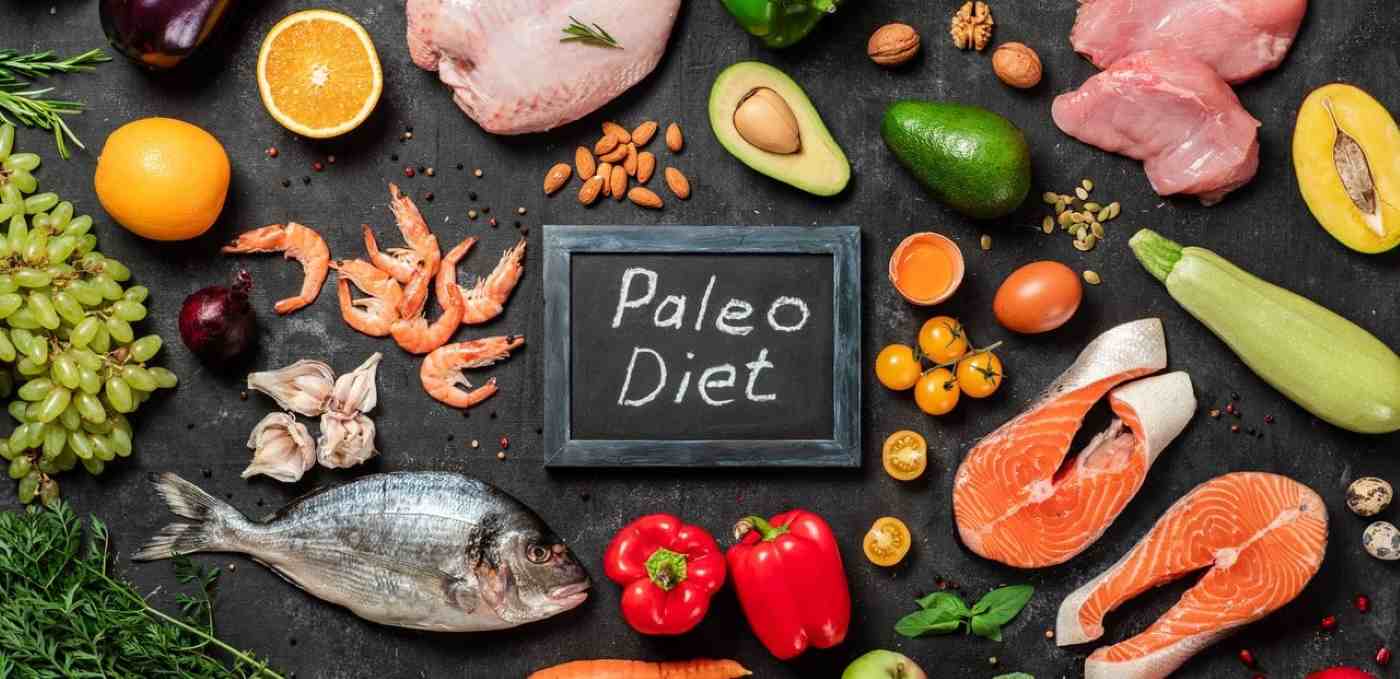
The Paleo diet is built on the idea that modern humans should consume foods that are more in line with those eaten by our hunter-gatherer ancestors. This means prioritizing whole foods such as lean meats, fish, fruits, vegetables, nuts, and seeds while avoiding processed foods. The rationale is that many of the health issues prevalent today, such as obesity and heart disease, can be traced back to the consumption of processed and refined foods.
One of the core principles of the Paleo diet is to eliminate foods that were not available before the advent of agriculture. This includes grains, legumes, and dairy products. The diet is also low in carbohydrates and high in protein and healthy fats, which proponents argue can lead to improved metabolic health and weight management.
Another significant aspect of the Paleo diet is its emphasis on food quality. Followers are encouraged to choose organic, grass-fed, and wild-caught sources whenever possible. This focus on quality is believed to enhance the nutritional value of the diet and reduce exposure to harmful chemicals and additives.
Finally, the Paleo diet promotes a holistic approach to health, which includes not only dietary changes but also lifestyle modifications. Regular physical activity, adequate sleep, and stress management are all considered essential components of a successful Paleo lifestyle.
Analyzing Ingredients: What Constitutes Mayonnaise?
Mayonnaise is a thick, creamy condiment made primarily from oil, egg yolks, vinegar or lemon juice, and seasonings. The traditional method of making mayonnaise involves emulsifying oil with egg yolks, resulting in a stable mixture that can be flavored with various herbs and spices. The primary ingredient, oil, is crucial in determining whether mayonnaise aligns with the Paleo diet.
The type of oil used in mayonnaise can vary. Conventional mayonnaise often contains vegetable oils such as soybean, canola, or corn oil, which are highly processed and not considered Paleo-friendly. These oils are typically derived from grains or legumes, both of which are excluded from the Paleo diet.
In contrast, some brands offer mayonnaise made with Paleo-approved oils, such as olive oil, avocado oil, or coconut oil. These oils are less processed and contain healthier fats that align more closely with the principles of the Paleo diet. Additionally, the use of organic eggs can further enhance the nutritional profile of mayonnaise, making it a more acceptable option for those adhering to Paleo guidelines.
When evaluating mayonnaise, it is essential to consider not only the ingredients but also the processing methods used. Homemade mayonnaise, made with high-quality ingredients, is often the best choice for those following a strict Paleo diet. This allows individuals to control the ingredients and avoid any additives or preservatives commonly found in store-bought versions.
The Nutritional Profile of Traditional Mayonnaise
Traditional mayonnaise is primarily composed of fats, which can be a point of contention for those following the Paleo diet. A standard serving of mayonnaise (about one tablespoon) contains around 90 calories, with approximately 10 grams of fat, predominantly from the oil used in its preparation. While fats are a crucial component of the Paleo diet, the type of fat is what matters most.
The fats found in conventional mayonnaise, particularly those derived from vegetable oils, are often high in omega-6 fatty acids. While omega-6s are essential for health, an excessive intake can lead to an imbalance with omega-3 fatty acids, potentially contributing to inflammation and other health issues. This is why the type of oil used in mayonnaise is critical for those adhering to a Paleo lifestyle.
Additionally, traditional mayonnaise contains minimal protein and carbohydrates, making it primarily a source of fat. While fats are an essential part of the Paleo diet, relying too heavily on mayonnaise can lead to an imbalanced intake of nutrients. It’s important for individuals to consider how mayonnaise fits into their overall dietary pattern and whether it complements their nutrient needs.
Moreover, the presence of preservatives and additives in store-bought mayonnaise can detract from its nutritional value. Many commercial brands include ingredients like sugar, artificial flavors, and stabilizers, which do not align with the whole-food philosophy of the Paleo diet. Therefore, understanding the nutritional profile of mayonnaise is crucial for those looking to incorporate it into their Paleo meal plans.
Evaluating Paleo-Compatible Alternatives to Mayonnaise
For those who enjoy mayonnaise but are concerned about its compatibility with the Paleo diet, there are several alternatives available. One popular option is avocado-based mayonnaise, which uses ripe avocados as the primary ingredient. This alternative is not only creamy and flavorful but also packed with healthy monounsaturated fats, fiber, and essential vitamins.
Another option is to create homemade mayonnaise using Paleo-approved oils such as olive or coconut oil. By making mayonnaise at home, individuals can tailor the recipe to their taste preferences and dietary needs, ensuring that it aligns with their Paleo principles. Adding ingredients like mustard, garlic, or herbs can enhance the flavor while keeping the condiment healthy.
Nut-based sauces can also serve as excellent alternatives to traditional mayonnaise. For example, cashew cream or almond-based dressings can provide a creamy texture and rich flavor without relying on eggs or processed oils. These alternatives can be used in salads, sandwiches, or as dips, offering versatility while adhering to the Paleo diet.
Lastly, some individuals may choose to forgo mayonnaise altogether and opt for other condiments that are more aligned with the Paleo diet. Options such as salsa, guacamole, or homemade vinaigrettes can add flavor and moisture to dishes without compromising dietary principles.
Expert Opinions: Mayonnaise in the Context of Paleo
Nutrition experts and Paleo advocates often have varied opinions on the inclusion of mayonnaise in a Paleo diet. Some argue that traditional mayonnaise, particularly those made with processed oils, should be avoided due to their inflammatory properties and lack of nutritional density. They emphasize the importance of focusing on whole, unprocessed foods that provide a broader range of nutrients.
Conversely, others suggest that mayonnaise made with Paleo-friendly ingredients can be a suitable addition to the diet. They point out that when made with high-quality oils and organic eggs, mayonnaise can offer healthy fats that are beneficial for satiety and overall health. This perspective encourages individuals to be mindful of ingredient quality rather than outright elimination.
Another consideration is the role of mayonnaise in enhancing the enjoyment of meals. Many people find that condiments like mayonnaise can make healthy foods more palatable, encouraging them to consume more vegetables and lean proteins. This can be particularly important for individuals transitioning to a Paleo diet, as it can help ease the shift away from processed foods.
Ultimately, the decision to include mayonnaise in a Paleo diet should be based on individual preferences, dietary goals, and the quality of the ingredients used. Consulting with a nutritionist or dietitian familiar with the Paleo framework can provide personalized guidance on how to incorporate mayonnaise or its alternatives into a balanced diet.
Conclusions: Can Mayonnaise Fit Within a Paleo Framework?
In conclusion, the inclusion of mayonnaise in a Paleo diet is not a straightforward yes or no answer. While traditional mayonnaise made with processed oils and additives is generally not considered Paleo-friendly, alternatives made with high-quality, unprocessed ingredients can fit within the framework of the diet. Homemade mayonnaise using olive or avocado oil, or avocado-based alternatives, can provide a nutritious option for those who enjoy creamy condiments.
It’s essential for individuals following the Paleo diet to evaluate their overall dietary patterns and how mayonnaise fits into their nutritional needs. By focusing on ingredient quality and considering alternatives, it is possible to enjoy mayonnaise in moderation while adhering to the core principles of the Paleo lifestyle.
Read more:
- Paleo Diet Basics – A comprehensive overview of the Paleo diet’s principles and guidelines.
- Understanding Mayonnaise Ingredients – A detailed breakdown of traditional mayonnaise ingredients and their health implications.
- Homemade Paleo Mayonnaise Recipe – A step-by-step guide to making your own Paleo-friendly mayonnaise at home.
- Nutritional Profile of Fats – An analysis of different types of dietary fats and their health effects.
- Paleo Diet: Expert Opinions – Insights from nutrition experts on the Paleo diet and its components.