

Introduction:
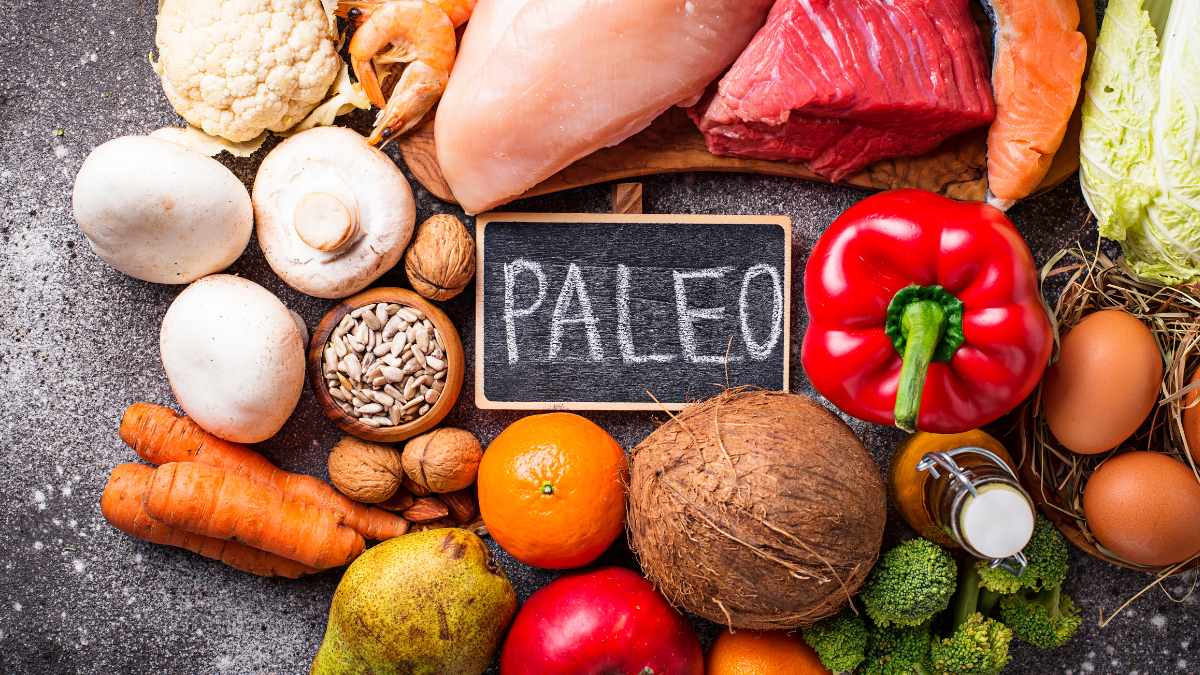
The paleo diet, often referred to as the "caveman diet," is a dietary approach that emphasizes the consumption of whole, unprocessed foods that our ancestors would have eaten. This includes lean meats, fish, fruits, vegetables, nuts, and seeds, while excluding grains, legumes, dairy, and processed foods. As the popularity of plant-based alternatives grows, many individuals following the paleo lifestyle may wonder about the compatibility of oat milk with these dietary principles. This article will explore the core tenets of the paleo diet, the nutritional profile of oat milk, and whether it aligns with the guidelines set forth by paleo enthusiasts.
Understanding the Paleo Diet: Core Principles and Guidelines
The paleo diet is founded on the idea that modern humans should eat in a manner similar to our hunter-gatherer ancestors. This approach promotes the consumption of whole foods while avoiding processed items that have become prevalent in contemporary diets. The core principles of the paleo diet include prioritizing lean proteins, healthy fats, and a variety of fruits and vegetables.
One of the main tenets of the paleo diet is to eliminate foods that were not available during the Paleolithic era. This means avoiding grains, legumes, dairy, and refined sugars. Proponents argue that these foods contribute to various health issues, including inflammation, obesity, and chronic diseases. Instead, the focus is on nutrient-dense foods that are believed to support optimal health.
In addition to food choices, the paleo diet encourages a lifestyle that includes regular physical activity, sufficient sleep, and stress management. The idea is to create a holistic approach to health that mirrors the conditions under which our ancestors thrived. Understanding these principles is crucial for evaluating whether oat milk fits into this dietary framework.
Finally, the paleo diet is often associated with various health benefits, including weight loss, improved metabolic health, and enhanced digestive function. However, these benefits can vary based on individual adherence and the quality of foods consumed. As we explore oat milk’s nutritional profile, we will consider how it aligns with these foundational principles.
Nutritional Profile of Oat Milk: Key Components Analyzed
Oat milk is a popular plant-based alternative to dairy milk, made by soaking and blending oats with water, then straining to remove solids. Its nutritional profile is characterized by a moderate amount of carbohydrates, a small amount of protein, and minimal fat. A typical serving of oat milk contains around 120 calories, with approximately 16 grams of carbohydrates and 2 grams of protein.
One of the standout features of oat milk is its fiber content, particularly beta-glucans, which are known for their heart-health benefits. These soluble fibers can help lower cholesterol levels and improve gut health. Additionally, oat milk is often fortified with vitamins and minerals, such as calcium and vitamin D, making it a nutrient-rich option for those who consume it.
However, it’s essential to note that oat milk is relatively low in protein compared to traditional dairy milk, which contains about 8 grams of protein per cup. This could be a significant consideration for individuals following a paleo diet who prioritize protein intake for muscle maintenance and overall health.
Moreover, the carbohydrate content in oat milk may be a concern for those adhering strictly to the paleo diet, as it can lead to higher blood sugar levels compared to other milk alternatives. Understanding these nutritional components is vital for determining whether oat milk aligns with the dietary goals of paleo practitioners.
Paleo Diet Restrictions: Grains and Legumes Explained
A fundamental aspect of the paleo diet is the exclusion of grains and legumes. This restriction stems from the belief that these foods were not part of the human diet until the advent of agriculture, which occurred relatively recently in our evolutionary history. Grains, including oats, are considered problematic due to their potential to cause inflammation and digestive issues in some individuals.
Grains contain antinutrients, such as phytic acid and lectins, which can interfere with nutrient absorption and may contribute to gastrointestinal discomfort. For this reason, many paleo followers avoid all grains, including oats, which are the primary ingredient in oat milk. This exclusion is based on the premise that our bodies are not well-adapted to process these foods efficiently.
Legumes, like grains, are also excluded from the paleo diet for similar reasons. They contain antinutrients and can provoke autoimmune responses in susceptible individuals. This strict adherence to avoiding these food groups is a cornerstone of the paleo philosophy, as proponents argue that it leads to better health outcomes.
Given these restrictions, the inclusion of oat milk, which is derived from oats, raises questions about its compatibility with the paleo diet. The next sections will delve deeper into the comparison of oat milk with traditional dairy and explore any potential benefits of oat milk within a paleo context.
Oat Milk vs. Traditional Dairy: A Comparative Overview
When comparing oat milk to traditional dairy, several factors come into play, including nutritional content, digestibility, and health implications. Traditional dairy products, such as milk and yogurt, are rich in protein, calcium, and other essential nutrients. They also contain beneficial fats, particularly in whole milk varieties.
In contrast, oat milk is lower in protein and fat, which may be a disadvantage for those seeking a nutrient-dense beverage. However, oat milk is often fortified with vitamins and minerals, making it a viable alternative for individuals who are lactose intolerant or have a dairy allergy. The creaminess and taste of oat milk also make it a popular choice for coffee and baking.
One of the significant advantages of oat milk is its fiber content, which can aid in digestion and promote a feeling of fullness. This is something traditional dairy lacks, as it contains minimal fiber. For individuals looking to increase their fiber intake, oat milk may be a more appealing option.
However, the higher carbohydrate content in oat milk can be a drawback for those following a strict paleo regimen. Traditional dairy, particularly full-fat options, may provide a more balanced macronutrient profile for those prioritizing protein and healthy fats. Ultimately, the choice between oat milk and traditional dairy will depend on individual dietary preferences and health goals.
Potential Benefits of Oat Milk in a Paleo Context
Despite its classification as a grain product, oat milk may offer certain benefits that could be considered within a flexible interpretation of the paleo diet. For instance, the fiber content in oat milk can support digestive health and may help regulate blood sugar levels, which is particularly beneficial for those concerned about metabolic health.
Additionally, oat milk is often fortified with essential nutrients such as calcium and vitamin D, which are critical for bone health. For individuals who have eliminated dairy from their diet, oat milk can serve as a valuable source of these nutrients, provided that they choose fortified varieties.
The creamy texture and pleasant taste of oat milk also make it a suitable alternative for those who enjoy smoothies, coffee, or baking. This versatility can encourage individuals to incorporate more plant-based foods into their diets, which aligns with the paleo emphasis on whole, unprocessed foods.
Moreover, the environmental impact of oat milk production is generally lower than that of traditional dairy farming, which may appeal to those who are conscious of sustainability. While oat milk may not fit neatly into the strictest definitions of the paleo diet, its potential benefits may warrant consideration for individuals seeking a more inclusive approach to their dietary choices.
Conclusions: Is Oat Milk Compatible with Paleo Principles?
In summary, the compatibility of oat milk with paleo principles is a nuanced topic. While oat milk is derived from oats, which are grains and thus excluded from the strict paleo diet, it offers several nutritional benefits that may appeal to individuals seeking plant-based alternatives. The fiber content, potential nutrient fortification, and versatility of oat milk can provide advantages in a balanced diet.
However, for those adhering strictly to the paleo philosophy, the consumption of oat milk may not align with the foundational principles that advocate for the elimination of grains. Ultimately, the decision to include oat milk in a paleo diet will depend on individual preferences, dietary goals, and how strictly one chooses to interpret the guidelines of the paleo lifestyle.
Read more:
- Paleo Diet Basics – An overview of the paleo diet’s principles and guidelines.
- Nutritional Information of Oat Milk – A detailed analysis of the nutritional profile of oat milk.
- The Science Behind Grains and Antinutrients – A research article discussing the effects of grains and antinutrients on health.
- Oat Milk vs. Dairy Milk: A Nutritional Comparison – A comparative overview of oat milk and traditional dairy products.
- Benefits of Fiber in the Diet – An article outlining the health benefits of dietary fiber, including its role in digestive health.