


Introduction:
The Paleo diet, often referred to as the "caveman diet," emphasizes the consumption of foods presumed to have been available to our Paleolithic ancestors. This dietary approach has gained popularity for its focus on whole foods, including lean meats, fish, fruits, vegetables, nuts, and seeds, while excluding processed foods, grains, dairy, and legumes. For individuals suffering from Irritable Bowel Syndrome (IBS), a common gastrointestinal disorder characterized by abdominal pain, bloating, and altered bowel habits, the question arises: Is this dietary regimen conducive to managing IBS symptoms? This article explores the relationship between the Paleo diet and IBS, examining its principles, potential benefits, and challenges.
Understanding the Paleo Diet: Principles and Practices
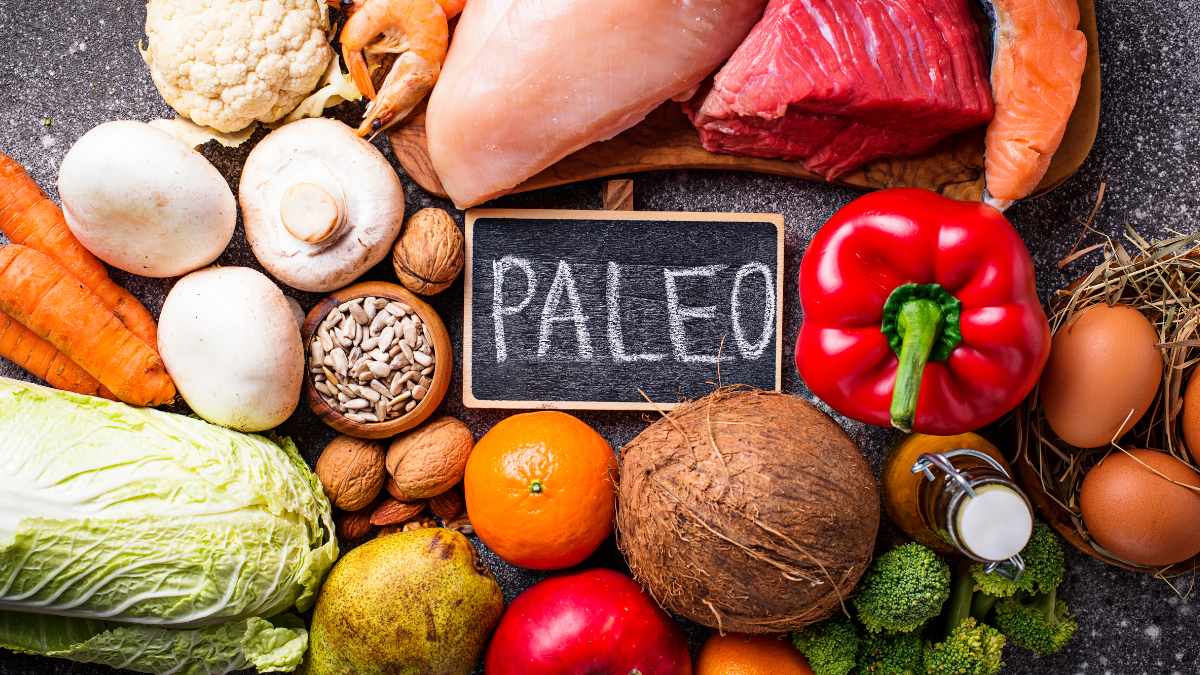
The Paleo diet is grounded in the idea that modern humans should eat in a manner similar to our hunter-gatherer ancestors. This means prioritizing whole, unprocessed foods while avoiding those that emerged after the agricultural revolution. The diet consists primarily of lean meats, fish, vegetables, fruits, nuts, and seeds. Proponents argue that this way of eating can lead to improved health outcomes, including weight loss, better digestion, and enhanced energy levels.
One of the core principles of the Paleo diet is the elimination of processed foods and refined sugars, which are believed to contribute to various health issues, including inflammation and digestive disorders. By focusing on nutrient-dense foods, followers of this diet aim to achieve a balanced intake of vitamins, minerals, and essential fatty acids. Additionally, the Paleo diet encourages the consumption of healthy fats, such as those found in avocados, olive oil, and fish, which can be beneficial for overall health.
Another important aspect of the Paleo diet is its emphasis on sustainable eating practices. This includes sourcing food from local farms, choosing grass-fed and pasture-raised animal products, and consuming seasonal fruits and vegetables. Such practices not only promote better health but also support environmental sustainability.
Despite its many benefits, the Paleo diet can be restrictive. Some individuals may find it challenging to adhere to the strict guidelines, particularly when it comes to avoiding grains and dairy. This can lead to nutritional deficiencies if not carefully managed, especially in individuals with specific dietary needs or restrictions.
Overview of Irritable Bowel Syndrome (IBS) Symptoms
Irritable Bowel Syndrome is a multifaceted gastrointestinal disorder that affects a significant portion of the population. Symptoms can vary widely among individuals but typically include abdominal pain, bloating, gas, diarrhea, and constipation. The exact cause of IBS remains unclear, but it is believed to involve a combination of factors, including gut motility issues, visceral hypersensitivity, and alterations in gut microbiota.
Patients with IBS often experience symptoms that can be triggered by certain foods, stress, and hormonal changes. The bloating and discomfort associated with IBS can significantly impact quality of life, leading many individuals to seek dietary solutions to alleviate their symptoms. Understanding the specific triggers for each person is crucial for effective management.
The diagnosis of IBS usually involves a thorough medical history and symptom assessment, often guided by the Rome IV criteria. This helps distinguish IBS from other gastrointestinal disorders, such as inflammatory bowel disease (IBD) or celiac disease. Treatment options typically include dietary modifications, lifestyle changes, and, in some cases, medications to manage symptoms.
Given the complexity of IBS, a one-size-fits-all approach to treatment is often ineffective. As such, many individuals are exploring various dietary patterns, including the Paleo diet, to identify potential relief from their symptoms.
Nutritional Components of the Paleo Diet and IBS Impact
The Paleo diet’s focus on whole, unprocessed foods aligns with some recommendations for managing IBS. For instance, the inclusion of fruits and vegetables provides essential nutrients and dietary fiber, which can promote healthy digestion. However, the type of fiber consumed is crucial; some fruits and vegetables may exacerbate symptoms in sensitive individuals due to their high FODMAP content.
Lean meats and fish, staples of the Paleo diet, are generally well-tolerated by IBS patients. These protein sources are low in fermentable carbohydrates, making them less likely to trigger symptoms. Additionally, the healthy fats found in nuts and seeds can provide anti-inflammatory benefits, which may be advantageous for those with IBS.
On the other hand, the exclusion of grains and legumes from the Paleo diet may pose challenges for some individuals. Grains, particularly whole grains, are rich in soluble fiber, which can help regulate bowel movements and improve gut health. For those with IBS who tolerate certain grains, their absence from the diet may lead to increased constipation or irregular bowel habits.
Moreover, the Paleo diet’s restriction of dairy can be beneficial for lactose-intolerant individuals, as dairy products can exacerbate IBS symptoms. However, for those who can tolerate dairy, it can be a source of probiotics and calcium, both of which are important for gut health.
Potential Benefits of Paleo for IBS Management
One of the primary advantages of the Paleo diet for individuals with IBS is its emphasis on whole foods. By eliminating processed foods and additives, which can irritate the gut, the diet may help reduce inflammation and improve overall gut health. This could lead to a decrease in IBS symptoms for some individuals.
The diet’s focus on healthy fats and lean proteins can also support a balanced intake of nutrients while promoting satiety. This may help individuals avoid overeating, which can be a trigger for IBS flare-ups. Additionally, the inclusion of a variety of fruits and vegetables can enhance nutrient density, potentially improving gut microbiota diversity.
Another potential benefit is the diet’s alignment with the low FODMAP approach. While not all Paleo foods are low in FODMAPs, the diet’s exclusion of certain high-FODMAP foods, such as legumes and certain grains, may inadvertently help some individuals manage their symptoms. By focusing on low-FODMAP fruits and vegetables, individuals may find relief from bloating and gas.
Furthermore, the Paleo diet encourages mindful eating and cooking practices, which can foster a healthier relationship with food. This mindfulness can be particularly beneficial for individuals with IBS, as stress and anxiety often exacerbate symptoms. By prioritizing whole, nourishing foods, individuals may feel more in control of their dietary choices.
Challenges and Considerations for IBS Patients on Paleo
Despite the potential benefits, there are challenges associated with following the Paleo diet for IBS management. One significant concern is the restrictive nature of the diet, which may lead to nutritional deficiencies if not carefully planned. Individuals may struggle to meet their nutrient needs, particularly for vitamins and minerals commonly found in grains and legumes.
Additionally, the exclusion of certain food groups may lead to social and psychological challenges. Dining out or attending social gatherings can become complicated when adhering to strict dietary guidelines. This can create feelings of isolation or anxiety around food, which may further exacerbate IBS symptoms.
The variability in individual responses to the Paleo diet is another consideration. While some may experience symptom relief, others may not see any improvement or may even find their symptoms worsen. This underscores the importance of personalized dietary approaches and the need for individuals to monitor their symptoms closely.
Finally, the cost associated with following the Paleo diet can be prohibitive for some individuals. Sourcing high-quality, grass-fed meats and organic produce may not be feasible for everyone, potentially limiting access to the diet’s benefits.
Conclusions: Is the Paleo Diet a Viable IBS Solution?
In summary, the Paleo diet offers several potential benefits for individuals managing IBS, including a focus on whole foods, healthy fats, and lean proteins. However, its restrictive nature and the variability of individual responses highlight the need for a personalized approach to dietary management. While some may find relief from their symptoms through the Paleo diet, others may need to explore alternative dietary options or modifications.
Ultimately, individuals with IBS should consult with healthcare professionals or registered dietitians to develop a tailored dietary plan that considers their unique symptoms, triggers, and nutritional needs. This collaborative approach can help ensure that dietary changes are both effective and sustainable in the long term.
Read more:
- Paleo Diet Overview – A comprehensive guide to the principles of the Paleo diet and its potential health benefits.
- Understanding IBS – An informative resource from the International Foundation for Gastrointestinal Disorders on IBS symptoms and management strategies.
- Low FODMAP Diet – Details on the low FODMAP diet, which may be beneficial for IBS patients and its relationship with the Paleo diet.
- Nutritional Deficiencies in the Paleo Diet – A research article discussing potential nutritional deficiencies associated with the Paleo diet.
- Mindful Eating and IBS – A study exploring the impact of mindful eating practices on IBS management.


