

Introduction:
Tom Brady, the legendary quarterback, is not just known for his unparalleled skills on the football field but also for his meticulous approach to nutrition. Over the years, Brady has adopted a unique dietary regimen that has sparked interest among athletes and health enthusiasts alike. Many wonder whether his diet aligns with the principles of the paleo diet, a nutritional framework that emphasizes whole, unprocessed foods. This article delves into the nuances of Brady’s dietary practices, comparing them to traditional paleo guidelines, and exploring their implications for athletic performance.
Understanding the Basics of the Paleo Diet Framework
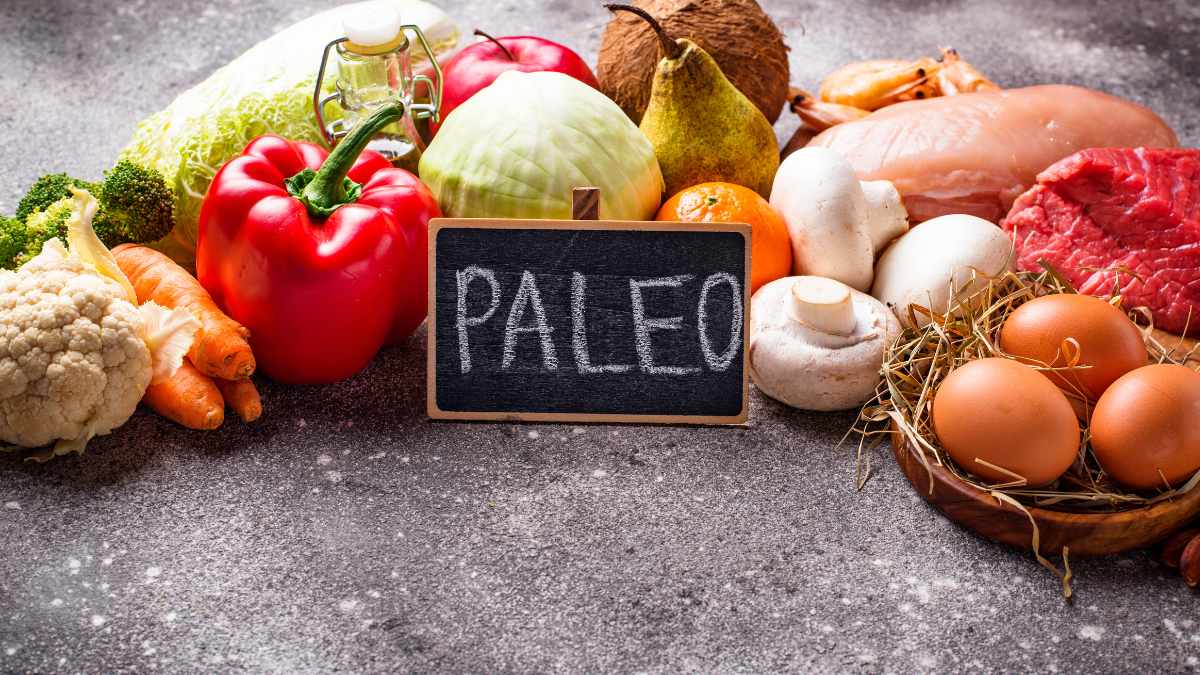
The paleo diet, often referred to as the "caveman diet," is based on the premise of consuming foods that our ancestors would have eaten during the Paleolithic era. This includes lean meats, fish, fruits, vegetables, nuts, and seeds while excluding processed foods, grains, legumes, and dairy. The underlying philosophy is that modern diets, laden with artificial ingredients and preservatives, contribute to various health issues. By reverting to a more natural way of eating, proponents argue that individuals can improve their health and well-being.
One of the fundamental tenets of the paleo diet is the emphasis on whole foods. This means prioritizing nutrient-dense options that provide essential vitamins and minerals. The diet encourages the consumption of seasonal and locally sourced produce, which can enhance the nutritional profile of meals. Additionally, the paleo framework advocates for sustainable and ethical food choices, promoting animal welfare and environmental consciousness.
Moreover, the paleo diet is often tailored to individual needs, allowing for variations that can accommodate personal preferences and health goals. While some strict adherents may avoid all grains and dairy, others might incorporate small amounts of these foods based on their specific dietary requirements. This flexibility can make the paleo diet more accessible and sustainable for a broader audience.
In essence, the paleo diet seeks to align modern eating habits with those of our ancestors, focusing on unprocessed, nutrient-rich foods. This foundational understanding sets the stage for analyzing Tom Brady’s dietary principles and practices, as we explore how they relate to the paleo framework.
Analyzing Tom Brady’s Dietary Principles and Practices
Tom Brady’s approach to nutrition is famously rigorous and detailed. He follows a diet that is largely plant-based, emphasizing whole foods while avoiding processed items. Brady’s nutritional philosophy is rooted in the idea of optimizing performance and longevity. He believes that what an athlete consumes directly impacts their physical capabilities and recovery.
Brady’s diet is characterized by a high intake of vegetables, particularly leafy greens, and a variety of fruits. He also incorporates lean proteins, primarily from fish and poultry, while minimizing red meat. This aligns with the paleo diet’s focus on whole, unprocessed foods, although Brady’s preferences lean more towards a plant-centric approach. His meals are meticulously prepared, often featuring organic ingredients and avoiding additives that could compromise health.
Additionally, Brady is known for his commitment to hydration, often consuming large amounts of water and electrolyte-rich beverages. He avoids sugary drinks and limits caffeine, which is consistent with the paleo diet’s emphasis on natural hydration sources. This focus on hydration is crucial for maintaining peak athletic performance, especially during rigorous training and competition.
While Brady’s dietary practices share some similarities with the paleo diet, they also reflect a personalized approach tailored to his unique needs as an elite athlete. Understanding these principles allows for a deeper examination of the key components of his nutrition.
Key Components of Brady’s Nutrition: A Closer Look
A closer examination of Tom Brady’s diet reveals several key components that contribute to his overall health and performance. One of the standout features is his emphasis on anti-inflammatory foods. Brady incorporates a variety of fruits and vegetables known for their anti-inflammatory properties, such as berries, avocados, and leafy greens. This focus on reducing inflammation is crucial for athletes, as it can aid in recovery and enhance performance.
Another significant aspect of Brady’s nutrition is the inclusion of healthy fats. He opts for sources like avocados, nuts, and olive oil, which provide essential fatty acids that support brain function and hormone regulation. These fats are also a vital energy source, particularly for athletes who require sustained energy throughout their training and competition.
Brady’s diet also prioritizes quality over quantity. He often speaks about the importance of nutrient density, choosing foods that offer the most nutritional benefits per calorie. This approach aligns with the paleo diet’s emphasis on whole foods, as it encourages individuals to select foods that nourish the body rather than merely filling it.
Lastly, Brady’s commitment to meal timing and preparation cannot be overlooked. He advocates for eating smaller, more frequent meals throughout the day to maintain energy levels and support metabolism. This practice, combined with his focus on whole foods, underscores the importance of a well-rounded nutritional strategy for optimal performance.
Comparing Brady’s Diet to Traditional Paleo Guidelines
When comparing Tom Brady’s diet to traditional paleo guidelines, several similarities and differences emerge. Both dietary frameworks emphasize whole, unprocessed foods, which is a cornerstone of the paleo philosophy. Brady’s focus on vegetables, fruits, and lean proteins aligns well with the paleo diet’s recommendations, showcasing a commitment to nutrient-dense options.
However, one notable difference is Brady’s limited consumption of red meat and his preference for fish and poultry. While the paleo diet does allow for red meat, Brady’s choices reflect a more selective approach, likely influenced by his focus on health and performance. This distinction highlights the adaptability of the paleo framework, allowing individuals to tailor their diets based on personal preferences and health goals.
Another area of divergence is Brady’s approach to grains and legumes. While traditional paleo guidelines strictly exclude these food groups, Brady’s diet is more flexible. He occasionally incorporates gluten-free grains and avoids foods that may cause inflammation or digestive issues. This flexibility may be beneficial for athletes who require specific nutrients for energy and recovery.
In summary, while Tom Brady’s diet shares many principles with the paleo framework, it also reflects a personalized approach that prioritizes health, performance, and individual needs. This nuanced understanding sets the stage for exploring the role of macronutrients in his meal plans.
The Role of Macronutrients in Brady’s Meal Plans
Macronutrients—proteins, fats, and carbohydrates—play a pivotal role in Tom Brady’s dietary regimen. His meal plans are meticulously designed to ensure an optimal balance of these macronutrients, which is essential for maintaining energy levels and supporting athletic performance. Brady’s emphasis on lean proteins is particularly noteworthy, as they are crucial for muscle repair and growth. He sources his proteins primarily from fish and poultry, which provide essential amino acids without the saturated fats found in red meat.
In addition to proteins, healthy fats are a cornerstone of Brady’s nutrition. He incorporates sources like avocados, nuts, and seeds, which provide essential fatty acids that support overall health and cognitive function. These fats are also a vital energy source, especially for endurance athletes like Brady, who require sustained energy throughout their training and games.
Carbohydrates, often viewed with skepticism in various dietary frameworks, are also a part of Brady’s meal plans, albeit in a controlled manner. He focuses on complex carbohydrates from fruits and vegetables, which provide essential vitamins, minerals, and fiber. This approach ensures that Brady maintains adequate energy levels without the spikes and crashes associated with refined sugars and processed carbohydrates.
Overall, the careful consideration of macronutrients in Brady’s meal plans reflects a comprehensive understanding of nutrition’s role in athletic performance. By balancing proteins, fats, and carbohydrates, he optimizes his diet for both energy and recovery, reinforcing the importance of a well-rounded nutritional strategy.
Implications of Brady’s Diet on Athletic Performance
The implications of Tom Brady’s dietary choices on his athletic performance are profound. His commitment to a nutrient-dense, whole foods-based diet has been linked to his longevity and sustained success in the NFL. By prioritizing anti-inflammatory foods, Brady reduces the risk of injuries and enhances his recovery process, allowing him to maintain peak performance even as he ages.
Moreover, the emphasis on hydration and nutrient timing plays a crucial role in Brady’s ability to perform at an elite level. Proper hydration supports cardiovascular function and thermoregulation, which are vital during intense physical activity. Additionally, the strategic timing of meals ensures that Brady’s body has the necessary fuel for training and competition, optimizing his energy levels and focus.
Brady’s dietary practices also serve as a model for aspiring athletes. His approach underscores the importance of nutrition in achieving athletic goals, highlighting that what one eats can significantly impact performance. By adopting a personalized dietary strategy, athletes can enhance their training outcomes and overall health.
In conclusion, Tom Brady’s unique dietary regimen reflects a blend of paleo principles and personalized nutrition tailored to his needs as an elite athlete. His focus on whole foods, balanced macronutrients, and anti-inflammatory choices underscores the critical role of nutrition in achieving and maintaining peak performance.
Conclusions:
In summary, while Tom Brady’s diet shares many principles with the paleo framework, it is ultimately a reflection of his individual needs and goals as an athlete. His commitment to whole, nutrient-dense foods, along with a focus on hydration and meal timing, demonstrates the profound impact that nutrition can have on athletic performance. By understanding the nuances of Brady’s dietary practices, we can glean insights that may benefit athletes and health-conscious individuals alike.
Read more:
- The Paleo Diet: A Beginner’s Guide – An overview of the paleo diet, its principles, and health benefits.
- Tom Brady’s Diet: What He Eats to Stay in Shape – A detailed look at Tom Brady’s dietary practices and principles.
- The Role of Nutrition in Athletic Performance – A scientific exploration of how nutrition impacts athletic performance.
- Understanding Macronutrients: The Basics – An informative guide on macronutrients and their importance in a balanced diet.
- Anti-Inflammatory Foods: What to Eat – A comprehensive list of foods that can help reduce inflammation and support overall health.