

Introduction:
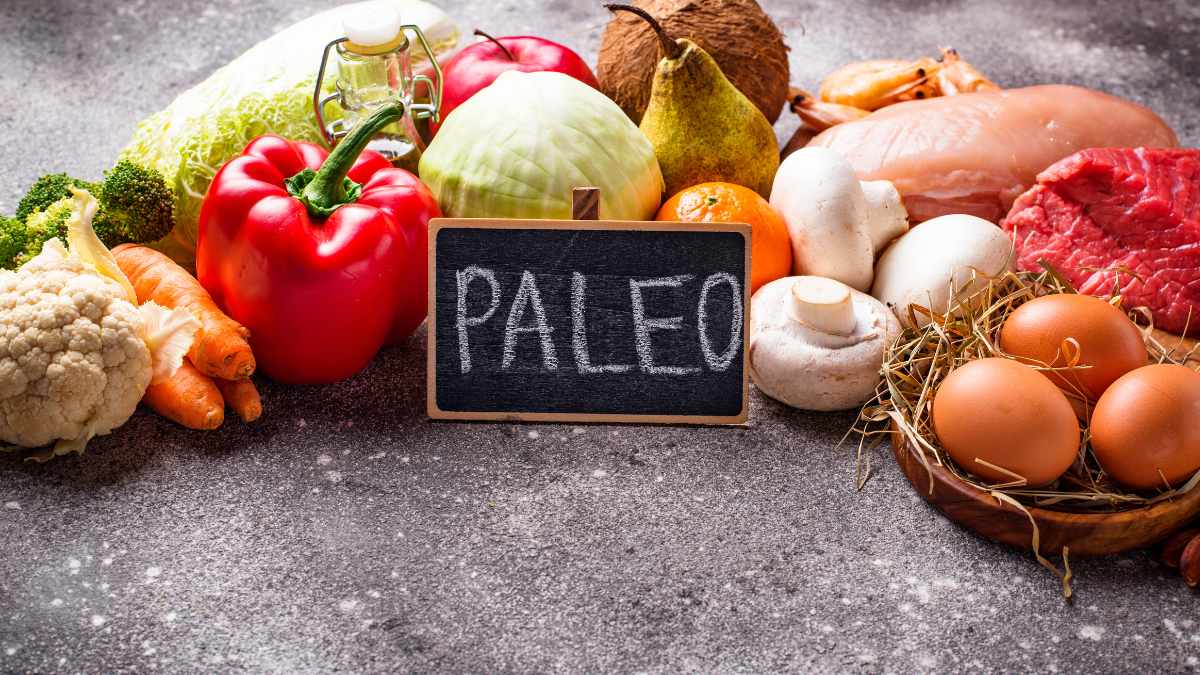
The Paleo diet, often referred to as the "caveman diet," emphasizes eating foods that our ancestors would have consumed during the Paleolithic era. This dietary approach advocates for whole, unprocessed foods while avoiding grains, legumes, dairy, and refined sugars. As individuals embark on this journey, they may find themselves seeking high-calorie foods to meet their energy needs, especially if they are physically active. Understanding which foods fit into this high-calorie category within the Paleo framework is essential for maintaining energy levels and supporting overall health.
Understanding the Paleo Diet: Principles and Guidelines
The Paleo diet is grounded in the idea that modern dietary patterns contribute to various health issues. By reverting to a diet that mimics that of our hunter-gatherer ancestors, proponents believe that individuals can improve their health and well-being. The primary principles of the Paleo diet include the consumption of lean meats, fish, fruits, vegetables, nuts, and seeds while avoiding processed foods, grains, legumes, and dairy products.
In addition to food choices, the Paleo diet emphasizes the importance of quality. This means prioritizing grass-fed meats, wild-caught fish, and organic produce whenever possible. The rationale is that these foods are more nutrient-dense and free from harmful additives. Furthermore, the diet encourages mindful eating practices, focusing on whole foods that provide both nourishment and satisfaction.
Another critical aspect is the emphasis on healthy fats. Unlike many contemporary diets that demonize fat, the Paleo approach recognizes the role of fats in providing energy and supporting cellular functions. This includes a focus on sources of omega-3 fatty acids, such as fatty fish and certain nuts, which are known for their anti-inflammatory properties.
Lastly, the Paleo diet is not just about what to eat but also about lifestyle changes. It encourages physical activity, adequate sleep, and stress management, which are all essential components of a holistic approach to health. Understanding these principles sets the stage for identifying high-calorie foods that align with the Paleo philosophy.
Identifying High Calorie Foods Within the Paleo Framework
High-calorie foods can be beneficial for those on the Paleo diet, especially for individuals with higher energy demands. Foods such as nuts, seeds, avocados, and fatty cuts of meat are excellent sources of calories while adhering to the diet’s principles. These foods not only provide energy but also deliver essential nutrients that support overall health.
Nuts and seeds, for example, are calorie-dense and packed with healthy fats, protein, and fiber. Almonds, walnuts, chia seeds, and flaxseeds are popular choices that can be easily incorporated into meals or snacks. However, it’s essential to consume them in moderation, as their high caloric content can lead to excessive calorie intake if not monitored.
Another category of high-calorie foods in the Paleo diet includes avocados and coconut products. Avocados are rich in monounsaturated fats and provide a creamy texture to dishes, while coconut oil, coconut milk, and shredded coconut offer a unique flavor and a significant calorie boost. These foods can enhance meals while contributing to a balanced intake of macronutrients.
Lastly, fatty cuts of meat, such as ribeye steak, lamb, and pork belly, are excellent sources of calories and protein. These meats not only satisfy hunger but also provide essential amino acids necessary for muscle repair and growth. Incorporating these high-calorie foods can help individuals meet their energy needs while adhering to the Paleo guidelines.
Nutritional Profiles of Common High Calorie Paleo Foods
When evaluating high-calorie foods within the Paleo diet, it is crucial to consider their nutritional profiles. Nuts and seeds, for instance, vary in their caloric density and nutrient composition. Almonds contain approximately 579 calories per 100 grams, with a rich supply of vitamin E, magnesium, and fiber. Walnuts, on the other hand, are higher in omega-3 fatty acids, making them an excellent choice for those seeking anti-inflammatory benefits.
Avocados are another high-calorie food worth noting. A medium avocado contains around 240 calories, primarily from healthy fats. They are also a good source of potassium, which is vital for maintaining proper bodily functions. The creamy texture of avocados makes them versatile, allowing them to be used in salads, smoothies, or as spreads.
Coconut products are also significant contributors to caloric intake within the Paleo framework. For example, one tablespoon of coconut oil contains about 120 calories, all from fat. Coconut milk, often used in cooking, provides around 445 calories per cup, making it an excellent base for soups and curries. The unique flavor of coconut can enhance many dishes while providing a substantial caloric boost.
Lastly, fatty cuts of meat are not only high in calories but also provide essential nutrients. For example, a 100-gram serving of ribeye steak can contain around 291 calories, with a considerable amount of protein and iron. This nutrient density makes fatty meats an excellent option for those looking to increase their caloric intake while adhering to the principles of the Paleo diet.
The Role of Fats and Proteins in Paleo Diet Caloric Intake
Fats and proteins play a pivotal role in the caloric intake of individuals following the Paleo diet. Fats, particularly healthy fats, are the primary source of energy in this dietary approach. They provide more than double the calories per gram compared to carbohydrates and proteins, making them an efficient energy source. Foods rich in fats, such as avocados, nuts, and oils, help individuals meet their caloric needs while promoting satiety.
Proteins are equally important, especially for those engaged in regular physical activity. High-protein foods, such as meats, fish, and eggs, contribute to muscle repair and growth. The thermogenic effect of protein also means that it requires more energy to digest compared to fats and carbohydrates, further supporting metabolic health. Incorporating a variety of protein sources ensures a balanced intake of essential amino acids.
Moreover, the combination of fats and proteins can enhance the overall nutritional profile of meals. For example, a salad topped with grilled chicken and avocado not only provides a substantial caloric intake but also delivers a range of vitamins and minerals. This synergy between fats and proteins supports sustained energy levels and overall well-being.
Understanding the roles of these macronutrients helps individuals make informed choices about their food intake. By focusing on high-quality sources of fats and proteins, those on the Paleo diet can achieve their caloric goals while also promoting health and vitality.
Balancing Macronutrients: High Calorie vs. Nutrient Density
While high-calorie foods are essential for meeting energy needs, it is equally important to consider nutrient density. Nutrient-dense foods provide a wealth of vitamins, minerals, and other beneficial compounds without excessive calories. Striking a balance between high-calorie and nutrient-dense foods is crucial for long-term health and well-being.
For example, while nuts are high in calories, they are also rich in nutrients such as vitamin E, magnesium, and antioxidants. However, relying solely on high-calorie foods without considering their nutrient density can lead to imbalances in essential nutrients. Therefore, it is vital to incorporate a variety of foods that not only provide calories but also contribute to overall nutritional needs.
Another aspect to consider is the impact of food choices on satiety. Foods that are high in fiber, such as vegetables and fruits, can help individuals feel fuller for longer while providing fewer calories. This can be particularly beneficial for those looking to maintain or lose weight while adhering to the Paleo diet. Balancing high-calorie foods with lower-calorie, nutrient-dense options can create a satisfying and healthful eating pattern.
Ultimately, the goal is to create a diet that supports energy needs while also promoting optimal health. By focusing on both caloric intake and nutrient density, individuals can achieve a balanced approach to their dietary choices within the Paleo framework.
Practical Tips for Incorporating High Calorie Foods Safely
Incorporating high-calorie foods into the Paleo diet can be done safely and effectively by following a few practical tips. First, monitor portion sizes. While high-calorie foods can be beneficial, consuming them in excessive amounts can lead to unwanted weight gain. Being mindful of portion sizes can help individuals enjoy these foods without overindulging.
Second, combine high-calorie foods with nutrient-dense options. For instance, adding nuts to a salad or using avocado as a spread can enhance the meal’s flavor and caloric content while also providing essential nutrients. This approach ensures that meals are both satisfying and healthful.
Third, plan meals and snacks ahead of time. Preparing meals in advance allows individuals to incorporate high-calorie foods thoughtfully, ensuring that they meet their energy needs without resorting to unhealthy options. Meal prepping can also help maintain variety in the diet, preventing boredom and promoting adherence to the Paleo principles.
Lastly, listen to your body’s hunger cues. Understanding personal energy needs and recognizing when to eat can help individuals make better food choices. By tuning into hunger signals, individuals can enjoy high-calorie foods while maintaining a balanced approach to their overall diet.
Conclusions:
The Paleo diet offers a unique framework for individuals seeking to improve their health through whole, unprocessed foods. By understanding the principles of the diet and identifying high-calorie foods within this context, individuals can effectively meet their energy needs. Balancing macronutrients and focusing on nutrient density ensures that dietary choices support overall health and well-being. With practical tips for incorporating these foods safely, individuals can enjoy the benefits of a high-calorie, nutrient-rich Paleo diet.
Read more
- The Paleo Diet: A Beginner’s Guide – A comprehensive overview of the Paleo diet, including its benefits and food lists.
- Nutritional Analysis of Nuts and Seeds – A detailed study on the nutritional profiles of various nuts and seeds.
- Understanding Macronutrients: Fats, Proteins, and Carbs – An informative resource on the roles of different macronutrients in the diet.
- The Role of Healthy Fats in the Diet – An article discussing the importance of healthy fats in a balanced diet.
- Meal Prep Tips for a Healthy Lifestyle – Practical advice on meal prepping to support healthy eating habits.