
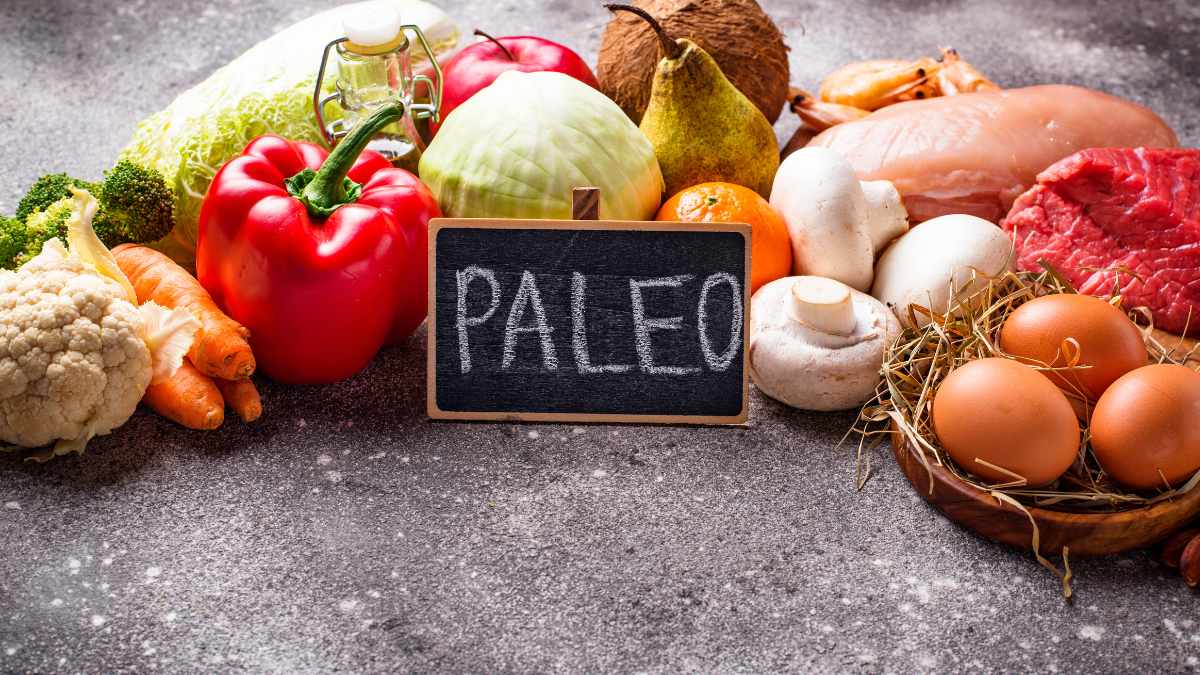

Introduction:
The paleo diet, often referred to as the "caveman diet," has gained significant popularity over the past decade. Advocates claim that it promotes weight loss, improved health, and overall well-being by mimicking the eating patterns of our prehistoric ancestors. However, while the paleo diet has its merits, it is essential to critically assess its weaknesses. This article delves into various limitations of the paleo diet, highlighting its potential nutritional deficiencies, challenges in adherence, economic factors, misconceptions surrounding ancestral eating patterns, and the lack of robust scientific evidence supporting its claims.
Limitations in Nutritional Variety and Balance in Paleo Diet
One of the most significant drawbacks of the paleo diet is its limited nutritional variety. By excluding entire food groups such as grains, legumes, and dairy, the diet restricts access to a wide array of nutrients that these foods provide. This lack of diversity can lead to a monotonous eating pattern, which may not only be unappealing but can also result in a deficiency of essential nutrients. For instance, whole grains are a primary source of dietary fiber, which is crucial for digestive health and maintaining stable blood sugar levels.
Moreover, the emphasis on animal proteins can lead to an imbalance in macronutrient intake. While protein is essential for muscle repair and growth, an excessive intake may strain the kidneys and contribute to other health issues. The paleo diet often promotes high-fat foods, particularly from animal sources, which may lead to an increased intake of saturated fats. This imbalance can have long-term implications for cardiovascular health and overall well-being.
In addition, the paleo diet often overlooks the importance of plant-based foods that are rich in vitamins, minerals, and antioxidants. Fruits and vegetables are vital for a balanced diet, providing essential nutrients that support immune function and reduce inflammation. By restricting these foods, individuals may miss out on the health benefits associated with a more varied diet.
Lastly, the rigid structure of the paleo diet can create a sense of food guilt or anxiety around eating. This psychological aspect can lead to unhealthy relationships with food, where individuals may feel pressured to adhere strictly to the diet, potentially resulting in disordered eating patterns.
Potential Nutritional Deficiencies in Key Vitamins and Minerals
The exclusion of certain food groups in the paleo diet raises concerns about nutritional deficiencies. For instance, dairy products are a significant source of calcium and vitamin D, both essential for bone health. By eliminating dairy, individuals may struggle to meet their calcium needs, which can lead to weakened bones and an increased risk of osteoporosis over time.
Furthermore, legumes are an excellent source of plant-based protein and provide essential nutrients such as iron and zinc. The absence of these foods in the paleo diet can result in lower iron levels, particularly in individuals who do not consume sufficient red meat. Iron deficiency can lead to anemia, characterized by fatigue and weakness, which can significantly impact daily life.
Another critical nutrient often lacking in the paleo diet is B vitamins, particularly folate, which is abundant in fortified grains and legumes. Folate is vital for DNA synthesis and repair, making it particularly important for pregnant women to prevent neural tube defects in developing fetuses. A deficiency in folate can have severe health implications, especially during critical periods of growth and development.
Lastly, the paleo diet may also result in inadequate intake of omega-3 fatty acids, which are primarily found in fatty fish and certain plant sources like flaxseeds and walnuts. While some paleo advocates promote the consumption of grass-fed meats, the overall balance of omega-3 to omega-6 fatty acids may still be skewed, potentially leading to increased inflammation and related health issues.
Challenges in Long-Term Adherence to Paleo Lifestyle
Adhering to the paleo diet can be particularly challenging for many individuals in the long term. The strict guidelines and elimination of entire food groups can create a sense of deprivation, making it difficult for individuals to maintain the diet over time. This feeling of restriction can lead to cravings for excluded foods, which may result in binge eating or abandoning the diet altogether.
Social situations often pose additional challenges for those following the paleo diet. Eating out or attending gatherings can become complicated, as many restaurants and social events do not cater to the specific requirements of the paleo lifestyle. This can lead to feelings of isolation or frustration, as individuals may feel they cannot fully participate in social activities centered around food.
Moreover, the time commitment required to prepare paleo-friendly meals can be daunting. Many individuals lead busy lives and may find it difficult to allocate time for meal planning and preparation. This can lead to reliance on convenience foods, which may not align with paleo principles, ultimately resulting in a return to less healthy eating patterns.
Lastly, the paleo diet’s emphasis on self-discipline can create a psychological burden. Individuals may feel pressured to adhere strictly to the diet, leading to stress and anxiety around food choices. This can foster an unhealthy relationship with food, where individuals may view certain foods as "bad" or "forbidden," further complicating their ability to maintain a balanced and enjoyable diet.
High Cost of Paleo Foods and Accessibility Issues
Another significant barrier to the paleo diet is the high cost associated with many of its recommended foods. Grass-fed meats, organic vegetables, and specialty items like almond flour can be considerably more expensive than their conventional counterparts. This financial burden can make the diet less accessible for individuals and families on a budget, potentially leading to disparities in health outcomes.
In many regions, access to fresh, high-quality paleo-friendly foods can be limited. Individuals living in food deserts may struggle to find fresh produce and lean meats, making it challenging to adhere to the diet. This lack of accessibility can exacerbate health inequalities, as those with limited resources may resort to cheaper, processed foods that do not align with paleo principles.
Moreover, the marketing of paleo foods can sometimes be misleading. Many products labeled as "paleo" may still contain additives or preservatives that do not align with the diet’s core principles. This can lead to confusion among consumers, who may believe they are making healthy choices when, in reality, they are consuming processed foods.
Lastly, the emphasis on high-quality, organic foods can create a sense of elitism around the paleo diet. This perception may alienate individuals who cannot afford or access these foods, further perpetuating the idea that healthy eating is only for the wealthy. This can hinder the potential for the paleo diet to be a viable option for a broader population seeking to improve their health.
Misconceptions About Ancestral Eating Patterns and Health
Many proponents of the paleo diet argue that it is based on our ancestors’ eating patterns, suggesting that modern diets are to blame for various health issues. However, this perspective can be misleading. The dietary habits of our ancestors varied significantly based on geography, climate, and available resources. Therefore, it is overly simplistic to assume that a single ancestral diet can be universally applied to all individuals today.
Moreover, the paleo diet often romanticizes the past, overlooking the fact that our ancestors faced numerous health challenges, including infectious diseases and limited life expectancy. While they may not have suffered from modern lifestyle diseases, they were not immune to other health issues. This selective interpretation can lead to an unrealistic perception of the health benefits associated with the paleo lifestyle.
Additionally, the paleo diet’s focus on animal protein raises ethical and environmental concerns. The sustainability of large-scale meat production is increasingly being questioned, as it contributes to greenhouse gas emissions and deforestation. Advocates for a more balanced approach to nutrition argue that incorporating plant-based foods is essential for both personal health and the health of the planet.
Finally, the idea that returning to an ancestral diet will resolve modern health issues ignores the complexity of nutrition and health. Factors such as genetics, lifestyle, and environmental influences play a significant role in determining individual health outcomes. A one-size-fits-all approach, such as the paleo diet, may not be the most effective way to address these multifaceted issues.
Lack of Robust Scientific Evidence Supporting Paleo Claims
While the paleo diet has garnered attention, the scientific evidence supporting its claims remains limited. Many studies advocating for the paleo diet are often small-scale, short-term, or lack rigorous methodology. Consequently, the generalizability of these findings is questionable, making it difficult to draw definitive conclusions about the diet’s long-term health benefits.
Moreover, much of the existing research tends to focus on specific aspects of the diet, such as weight loss or metabolic health, rather than a comprehensive evaluation of overall health outcomes. This narrow focus can create a skewed perception of the diet’s effectiveness, as it may not account for other crucial factors influencing health, such as lifestyle choices and environmental influences.
Additionally, some studies that do support the paleo diet often fail to consider the individual variability in response to dietary changes. What works for one person may not work for another, and the paleo diet may not be suitable for everyone. This highlights the importance of personalized nutrition and the need for further research to understand the diverse effects of various diets on different populations.
Finally, the lack of consensus among nutrition experts regarding the paleo diet raises concerns about its validity. Many registered dietitians and nutritionists advocate for a more balanced approach to eating, emphasizing the importance of incorporating a variety of foods for optimal health. This divergence in opinion underscores the need for continued research and dialogue in the field of nutrition.
Conclusions:
While the paleo diet has its proponents and offers certain benefits, it is crucial to recognize its weaknesses. The limitations in nutritional variety, potential deficiencies in key vitamins and minerals, challenges in long-term adherence, high costs, misconceptions about ancestral eating patterns, and the lack of robust scientific evidence all warrant careful consideration. Individuals seeking to improve their health should approach the paleo diet with a critical eye and consider the broader context of their dietary choices.
Read more:
- Harvard Health Publishing – The Paleo Diet: What to Know – A comprehensive overview of the paleo diet and its implications for health.
- Mayo Clinic – Paleo Diet: Is It Healthy? – Insights from nutrition experts on the benefits and drawbacks of the paleo diet.
- National Institutes of Health – The Paleo Diet: A Review – A scientific review of the paleo diet and its health claims.
- American Journal of Clinical Nutrition – Nutritional Deficiencies in the Paleo Diet – A study examining potential nutritional deficiencies associated with the paleo diet.
- Nutrition Journal – Ancestral Diets and Modern Health – An exploration of the relationship between ancestral diets and contemporary health outcomes.