

Introduction:
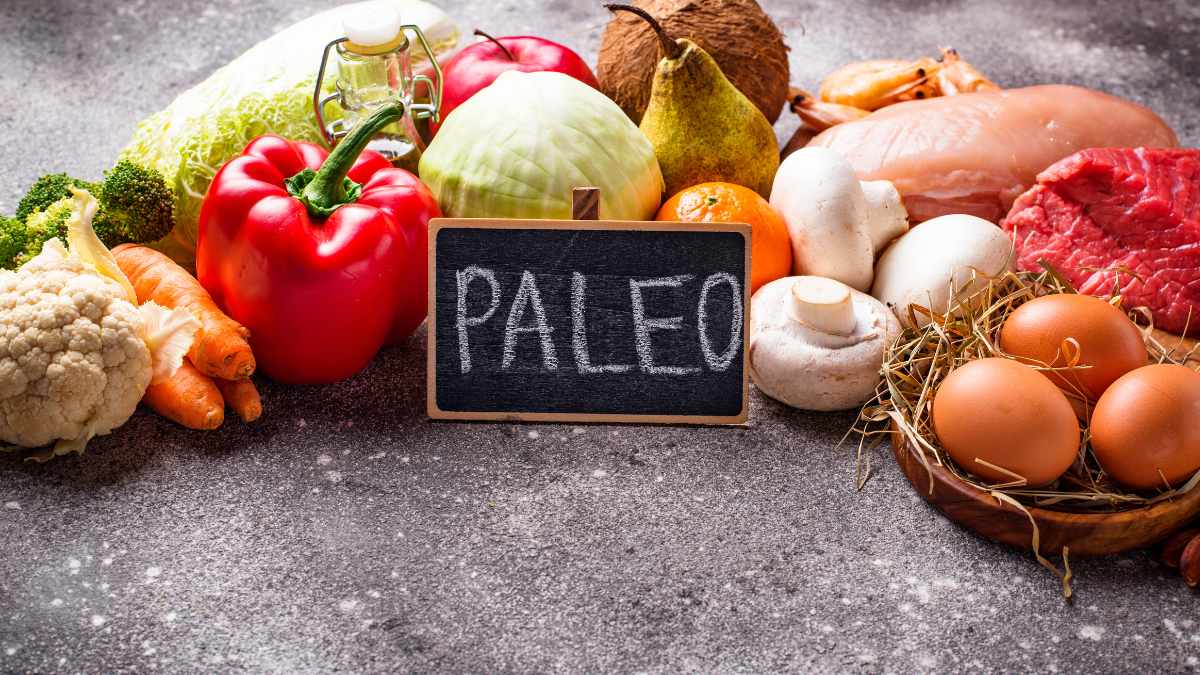
The Paleo diet, often referred to as the "caveman diet," emphasizes whole foods that our ancestors would have consumed, such as lean meats, fish, fruits, vegetables, nuts, and seeds. One of the common dilemmas for those following this dietary approach is the use of butter, which, while a staple in many kitchens, is not considered paleo-friendly due to its dairy content. As such, many individuals on the Paleo diet seek alternatives that align with their nutritional philosophy while still providing the rich flavors and textures that butter offers. This article explores various substitutes for butter that are compatible with the Paleo lifestyle, their nutritional profiles, and how to effectively use them in cooking.
Understanding the Paleo Diet: A Brief Overview
The Paleo diet is rooted in the idea of consuming foods that were available to our ancestors during the Paleolithic era. This means avoiding processed foods, grains, legumes, and dairy products. The focus is on whole, nutrient-dense foods that are minimally processed. By returning to these ancestral eating patterns, proponents believe they can improve health, manage weight, and reduce the risk of chronic diseases.
In addition to eliminating certain food groups, the Paleo diet encourages the consumption of high-quality animal products, including grass-fed meats and wild-caught fish. Fruits and vegetables are also emphasized, providing essential vitamins, minerals, and antioxidants. This diet is rich in proteins and healthy fats, which are crucial for maintaining energy levels and overall health.
While the Paleo diet has gained popularity for its potential health benefits, it can also present challenges, particularly when it comes to cooking and baking. Many traditional recipes rely heavily on butter, which can make it difficult to find suitable replacements. Understanding the principles of the Paleo diet is essential for making informed choices about food substitutions.
Ultimately, the goal of the Paleo diet is to nourish the body with foods that promote optimal health and well-being. By exploring suitable alternatives to butter, individuals can maintain their commitment to this dietary approach while still enjoying delicious meals.
The Role of Fats in Paleo Nutrition
Fats play a crucial role in the Paleo diet, providing a concentrated source of energy and supporting various bodily functions. Unlike low-fat diets that restrict fat intake, the Paleo diet encourages the consumption of healthy fats, which are essential for hormone production, nutrient absorption, and brain health. Fats also contribute to the flavor and texture of foods, making them a vital component of a satisfying diet.
In the context of the Paleo diet, fats are primarily derived from whole food sources such as avocados, nuts, seeds, and oils. These fats are not only nutrient-dense but also contain essential fatty acids that the body cannot produce on its own. Incorporating a variety of fat sources helps ensure a balanced intake of omega-3 and omega-6 fatty acids, which are important for reducing inflammation and supporting overall health.
When considering butter substitutes, it is essential to choose fats that align with the principles of the Paleo diet. This means avoiding processed oils and margarine, which are often high in unhealthy trans fats. Instead, opting for natural, unrefined fats can enhance both the nutritional quality and flavor of meals.
Moreover, fats can help increase satiety, making it easier to feel full and satisfied after meals. This can be particularly beneficial for those looking to manage their weight while following the Paleo diet. By understanding the role of fats in nutrition, individuals can make informed choices about the fats they incorporate into their diets.
Common Butter Substitutes for Paleo Diet Adherents
There are several alternatives to butter that are suitable for those following a Paleo diet. Coconut oil is one of the most popular substitutes due to its rich flavor and versatility. It is derived from the flesh of coconuts and is high in medium-chain triglycerides (MCTs), which are easily metabolized for energy. Coconut oil can be used in baking, cooking, and even as a spread.
Ghee, or clarified butter, is another option that many Paleo dieters consider. While it is derived from butter, the lactose and casein are removed during the clarification process, making it more tolerable for those who are sensitive to dairy. Ghee has a rich, nutty flavor and can be used in a variety of dishes, from sautéing vegetables to drizzling over roasted meats.
Olive oil is also a great alternative, particularly for salad dressings and drizzling over cooked dishes. It is rich in monounsaturated fats and antioxidants, making it a heart-healthy choice. However, it is important to note that olive oil has a lower smoke point than some other oils, so it may not be suitable for high-heat cooking.
Lastly, avocado oil is gaining popularity as a butter substitute due to its high smoke point and neutral flavor. It is packed with healthy fats and can be used in a variety of culinary applications, from frying to baking. Each of these alternatives offers unique flavors and health benefits, allowing individuals on the Paleo diet to enjoy a diverse range of dishes.
Nutritional Profiles of Paleo-Friendly Fats
When evaluating the nutritional profiles of butter substitutes, it is essential to consider their fatty acid composition and overall health benefits. Coconut oil, for instance, is approximately 90% saturated fat, predominantly in the form of MCTs. These fats are quickly absorbed and utilized by the body for energy, making coconut oil a popular choice for those seeking a quick source of fuel.
Ghee contains a mix of saturated and monounsaturated fats, along with fat-soluble vitamins such as A, D, E, and K. Its high smoke point makes it ideal for cooking at higher temperatures without breaking down into harmful compounds. Additionally, ghee is rich in butyrate, a short-chain fatty acid that has been linked to various health benefits, including improved gut health and reduced inflammation.
Olive oil is primarily composed of monounsaturated fats, particularly oleic acid, which is known for its anti-inflammatory properties. It also contains a variety of antioxidants, including vitamin E and polyphenols, which contribute to its health benefits. Regular consumption of olive oil has been associated with a reduced risk of heart disease and improved overall health.
Avocado oil is another excellent source of monounsaturated fats and is rich in vitamins E and K. Its high smoke point makes it suitable for various cooking methods, while its mild flavor allows it to complement a wide range of dishes. By understanding the nutritional profiles of these fats, individuals can make informed choices that align with their dietary goals.
Culinary Techniques for Using Alternatives to Butter
When using butter substitutes in cooking and baking, it is essential to understand how to effectively incorporate these alternatives to achieve the desired results. For instance, when using coconut oil in baking, it is best to melt the oil before combining it with other ingredients to ensure even distribution. Coconut oil can solidify at cooler temperatures, so it is important to consider the temperature of your kitchen environment.
When substituting ghee for butter, the ratio is typically 1:1, making it an easy swap in most recipes. Ghee adds a rich, nutty flavor that can enhance both sweet and savory dishes. It is particularly effective in sautéing and frying due to its high smoke point, allowing for a crispy texture without burning.
Olive oil can be used in place of butter for sautéing vegetables or drizzling over dishes. When using olive oil in baking, it is important to note that it may impart a slight flavor to the final product, so it is best suited for recipes where its taste complements the other ingredients. Additionally, using a light or refined olive oil can help minimize any strong flavors.
For avocado oil, the substitution is also straightforward, with a 1:1 ratio for most recipes. Its high smoke point allows for versatile cooking methods, including frying and roasting. Avocado oil’s mild flavor makes it a great addition to dressings and marinades, providing a healthy fat source without overpowering other flavors.
Conclusion: Choosing the Right Substitute for Your Needs
In conclusion, there are numerous alternatives to butter that align with the principles of the Paleo diet. By understanding the roles of fats in nutrition and exploring various substitutes, individuals can maintain their commitment to this dietary approach while enjoying a wide array of flavors and textures. Whether opting for coconut oil, ghee, olive oil, or avocado oil, each substitute offers unique benefits that can enhance both the nutritional quality and culinary experience of meals.
Ultimately, the choice of butter substitute will depend on personal preferences, dietary restrictions, and the specific culinary application. By experimenting with different fats and understanding their properties, individuals can create delicious and satisfying dishes that adhere to the principles of the Paleo diet.
Read more:
- The Paleo Diet – A Beginner’s Guide – A comprehensive guide to understanding the principles and benefits of the Paleo diet.
- Nutritional Benefits of Coconut Oil – An article detailing the health benefits and uses of coconut oil in cooking.
- Understanding Ghee: A Healthier Butter Alternative – A deep dive into ghee, its nutritional profile, and how to use it in cooking.
- Olive Oil: Health Benefits and Uses – An overview of the health benefits of olive oil and tips for incorporating it into your diet.
- Avocado Oil: Nutrition and Benefits – A detailed look at avocado oil, its nutritional benefits, and culinary uses.