

Se hai un abbonamento attivo ACCEDI QUI
Introduction:
The Paleo diet, often referred to as the "caveman diet," is based on the premise of consuming foods similar to those that our ancestors ate during the Paleolithic era. This dietary approach emphasizes whole, unprocessed foods while excluding various modern agricultural products. Understanding what is not allowed in the Paleo diet is crucial for anyone looking to adopt this lifestyle. This article will delve into the key principles of the Paleo diet and explore the specific foods that are prohibited, including grains, dairy, legumes, refined sugars, and industrial oils.
Understanding the Paleo Diet: Key Principles Explained
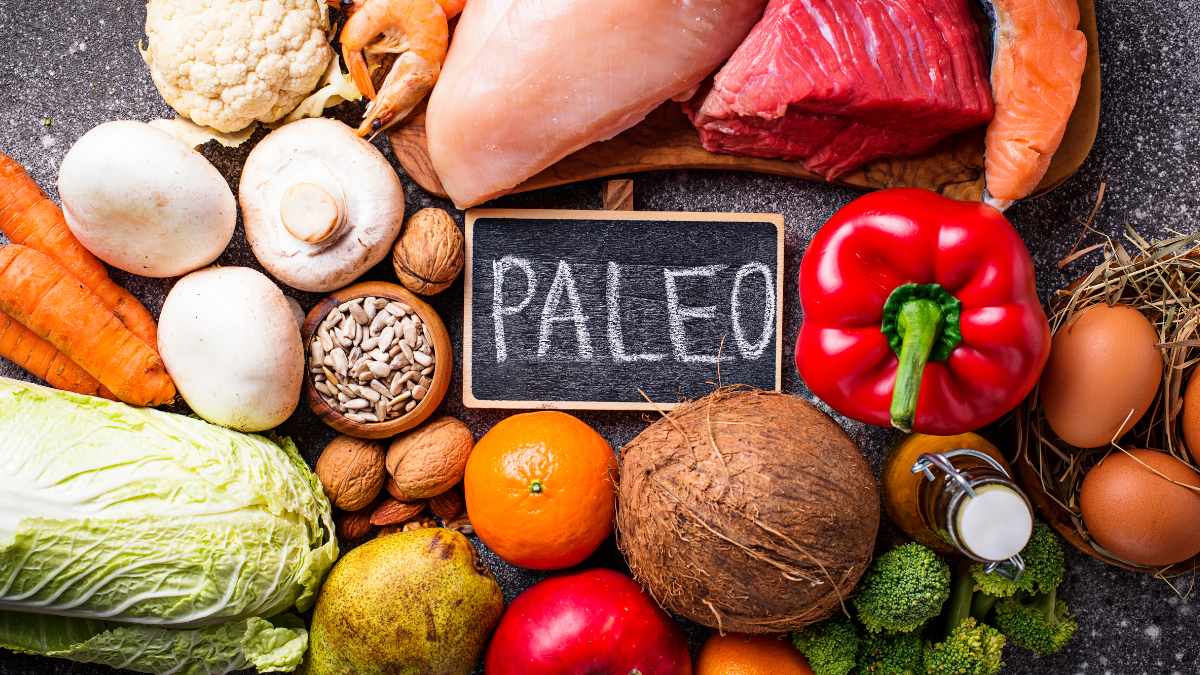
The Paleo diet is grounded in the belief that modern humans should eat foods that our hunter-gatherer ancestors consumed. This approach is rooted in the idea that the human body is genetically adapted to a diet rich in whole foods, which promotes optimal health. The primary focus of the Paleo diet is on nutrient-dense foods, such as lean meats, fish, fruits, vegetables, nuts, and seeds. These foods are believed to provide the essential nutrients necessary for maintaining health and preventing chronic diseases.
One of the key principles of the Paleo diet is the avoidance of processed foods. Processed foods often contain additives, preservatives, and unhealthy fats that can contribute to various health issues. By eliminating these foods, proponents of the Paleo diet argue that individuals can reduce their risk of obesity, diabetes, and heart disease. Furthermore, the diet encourages the consumption of high-quality, grass-fed, and organic sources of protein and produce, which are believed to be more nutritious and beneficial for overall health.
Another important aspect of the Paleo diet is its emphasis on whole food preparation. Cooking methods such as grilling, roasting, and steaming are preferred over frying or microwaving. This focus on natural cooking methods aims to preserve the nutritional integrity of the food while minimizing the introduction of harmful substances. Additionally, the Paleo diet encourages mindfulness around food choices, promoting a deeper connection to what we eat and how it affects our bodies.
Ultimately, the Paleo diet is a lifestyle choice that seeks to align modern eating habits with our evolutionary history. By understanding the foods that are excluded from this diet, individuals can better navigate their dietary choices and cultivate a healthier relationship with food.
Prohibited Grains: Why Wheat and Rice Are Excluded
Grains, particularly wheat and rice, are among the most significant exclusions in the Paleo diet. The rationale behind this prohibition lies in the belief that grains were not a staple part of the human diet until the advent of agriculture. This relatively recent dietary shift is thought to have contributed to various health issues, including gluten sensitivity and digestive disorders.
Wheat, in particular, contains gluten, a protein that can lead to inflammation and other adverse reactions in susceptible individuals. Many proponents of the Paleo diet argue that gluten can disrupt gut health and contribute to autoimmune diseases. As a result, the diet excludes not only wheat but also other gluten-containing grains such as barley and rye. This exclusion aims to promote better digestion and overall health.
Rice, while gluten-free, is also excluded from the Paleo diet due to its high carbohydrate content and potential for causing blood sugar spikes. The Paleo philosophy emphasizes low-glycemic foods that provide sustained energy without leading to insulin resistance. By avoiding rice and other grains, individuals can focus on alternative sources of carbohydrates, such as fruits and vegetables, which are believed to offer more nutritional benefits.
In summary, the exclusion of grains from the Paleo diet is based on concerns regarding their impact on health, particularly in relation to gluten and carbohydrate content. By eliminating these foods, adherents of the diet aim to improve digestion, reduce inflammation, and maintain stable blood sugar levels.
Dairy Products: The Controversy Surrounding Their Use
Dairy products occupy a contentious space within the Paleo diet. While some adherents choose to include certain dairy items, such as grass-fed butter or ghee, many strict Paleo followers advocate for complete avoidance of all dairy products. The primary argument against dairy is that it was not a part of the human diet until after the agricultural revolution. This leads to concerns about the body’s ability to properly digest and utilize dairy products.
Lactose, the sugar found in milk, can pose challenges for many individuals. Lactose intolerance is a common condition that affects a significant portion of the global population, resulting in digestive discomfort when dairy is consumed. For this reason, many Paleo enthusiasts argue that dairy can lead to gastrointestinal issues and should be avoided altogether to promote optimal gut health.
Furthermore, the quality of dairy products can vary significantly, with many commercial dairy items containing hormones, antibiotics, and additives. These substances can have negative health implications, further supporting the argument for excluding dairy from the diet. By focusing on whole, unprocessed foods, the Paleo diet seeks to eliminate potential sources of harm that may come from conventional dairy consumption.
In conclusion, the controversy surrounding dairy in the Paleo diet stems from concerns about its digestibility, potential health risks, and the belief that it was not part of our ancestral diet. As a result, many followers choose to eliminate dairy entirely or limit their intake to specific, high-quality options.
Legumes and Pulses: Nutritional Implications in Paleo
Legumes and pulses, including beans, lentils, and chickpeas, are another category of foods that are excluded from the Paleo diet. The rationale for this exclusion is based on the presence of anti-nutrients, such as lectins and phytic acid, which can interfere with nutrient absorption. These compounds are thought to contribute to digestive issues and may inhibit the body’s ability to utilize essential vitamins and minerals.
Moreover, legumes are often high in carbohydrates, which can lead to blood sugar spikes similar to those caused by grains. The Paleo diet emphasizes low-glycemic foods that provide steady energy and support metabolic health. By avoiding legumes, individuals can focus on alternative sources of protein and fiber that align more closely with the principles of the diet.
Another consideration is the historical context of legumes in human diets. Like grains, legumes became a staple food after the advent of agriculture, which is a relatively recent development in human history. Paleo proponents argue that our ancestors primarily relied on animal protein and foraged plant foods, making legumes an unnatural addition to the human diet.
In summary, the exclusion of legumes and pulses from the Paleo diet is rooted in concerns about anti-nutrients, carbohydrate content, and historical dietary patterns. By avoiding these foods, adherents aim to optimize nutrient absorption and maintain stable blood sugar levels.
Refined Sugars: The Case Against Processed Sweeteners
Refined sugars are unequivocally prohibited in the Paleo diet. The consumption of processed sweeteners, such as table sugar and high-fructose corn syrup, is linked to numerous health issues, including obesity, diabetes, and heart disease. These sugars provide empty calories without any nutritional benefits, leading to spikes in blood sugar and subsequent crashes that can affect energy levels and overall health.
The Paleo diet advocates for a return to natural sweeteners, such as honey or maple syrup, in moderation. However, even these alternatives should be used sparingly, as they can still contribute to excessive sugar intake. The emphasis is on reducing overall sugar consumption and focusing on whole, unprocessed foods that provide natural sweetness, such as fruits.
Another critical aspect of the case against refined sugars is their addictive nature. Research has shown that sugar can trigger the same reward pathways in the brain as drugs, leading to cravings and overconsumption. By eliminating refined sugars, the Paleo diet aims to break this cycle and promote healthier eating habits.
In conclusion, the prohibition of refined sugars in the Paleo diet is based on their association with various health issues and their lack of nutritional value. By avoiding processed sweeteners, individuals can support better health outcomes and foster a more balanced relationship with food.
Industrial Oils: Risks of Modern Fats in Paleo Eating
Industrial oils, such as canola, soybean, and corn oil, are another category of foods that are excluded from the Paleo diet. These oils are often highly processed and contain unhealthy trans fats, which have been linked to various health problems, including heart disease and inflammation. The Paleo philosophy advocates for the consumption of healthy fats from whole food sources, such as avocados, nuts, seeds, and olive oil.
One of the primary concerns regarding industrial oils is their omega-6 fatty acid content. While omega-6 fatty acids are essential for health, the modern diet often contains an excessive ratio of omega-6 to omega-3 fatty acids. This imbalance can lead to chronic inflammation and various health issues. By avoiding industrial oils, the Paleo diet encourages a more balanced intake of healthy fats that support overall well-being.
Additionally, the extraction process for many industrial oils involves high heat and chemical solvents, which can strip away nutrients and introduce harmful substances. The Paleo diet emphasizes the importance of whole, minimally processed foods, which aligns with the exclusion of these oils.
In summary, the exclusion of industrial oils from the Paleo diet is based on concerns about their processing methods, unhealthy fat content, and the potential for promoting inflammation. By focusing on healthy fats from whole food sources, adherents of the Paleo diet aim to support optimal health and well-being.
Conclusions:
The Paleo diet is a comprehensive approach to eating that seeks to align modern dietary choices with our ancestral heritage. By understanding the foods that are prohibited, including grains, dairy, legumes, refined sugars, and industrial oils, individuals can make informed decisions about their diet. The emphasis on whole, unprocessed foods is designed to promote optimal health and reduce the risk of chronic diseases. As more people explore the benefits of the Paleo lifestyle, understanding these exclusions is crucial for successfully navigating this dietary approach.
Read more:
- The Paleo Diet – Official Website – A comprehensive resource on the principles and practices of the Paleo diet.
- Paleo Leap – Offers recipes, meal plans, and articles on Paleo living and nutrition.
- The Science of Paleo – A scientific exploration of the Paleo diet’s health implications.
- Mark’s Daily Apple – A blog focused on the Primal lifestyle, which shares many principles with the Paleo diet.
- Paleo Magazine – A publication dedicated to the Paleo lifestyle, featuring articles, recipes, and health tips.