

Introduction:
In recent years, there has been a growing interest in dietary practices that align with our ancestral eating habits. Among these discussions, the term "Paleo Deficit Disorder" has emerged, referring to a condition where individuals experience health issues due to a significant deviation from what is considered a Paleolithic diet. This article aims to explore the concept of this disorder, its historical context, symptoms, physiological impacts, diagnostic criteria, and potential treatment approaches.
Understanding the Concept of Paleo Deficit Disorder
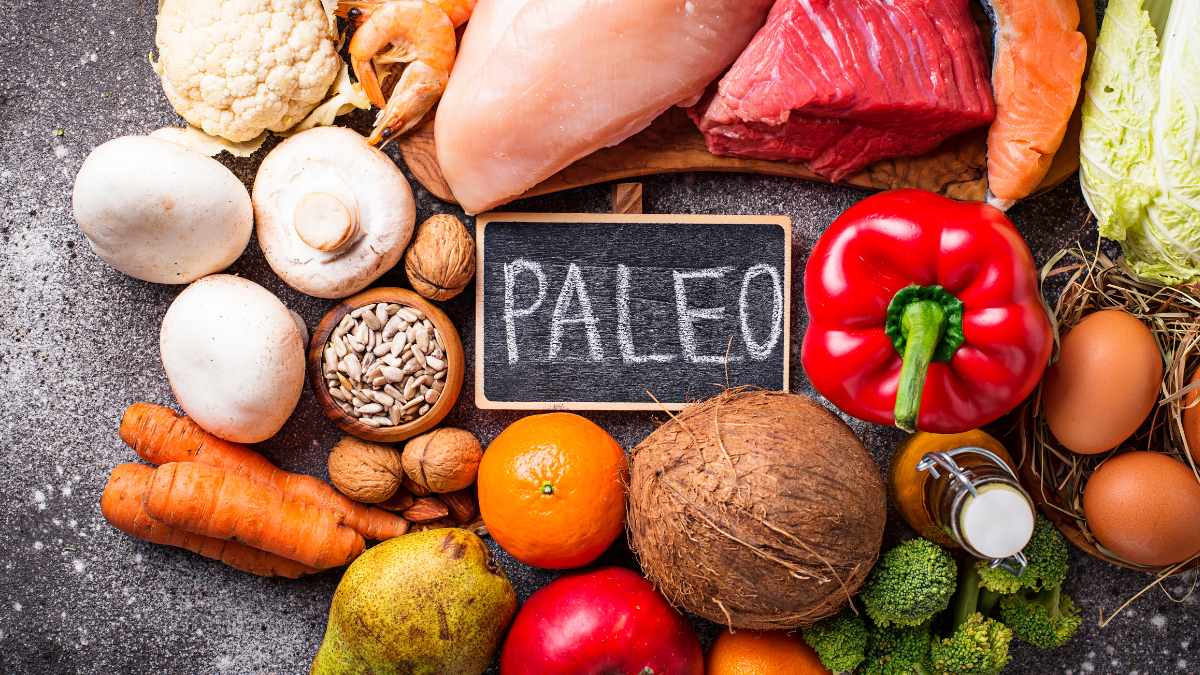
Paleo Deficit Disorder (PDD) is a term that describes a range of health issues stemming from a modern diet that diverges significantly from the dietary patterns of our hunter-gatherer ancestors. The Paleolithic diet, which emphasizes whole foods, lean proteins, fruits, and vegetables, is believed to be more aligned with human genetics. When individuals stray too far from these principles, they may experience a variety of health complications, which can be collectively termed as PDD.
The disorder is not officially recognized in medical literature, but it serves as a useful framework for understanding the potential consequences of modern dietary habits. Many people today consume highly processed foods, refined sugars, and unhealthy fats, which can lead to nutritional deficiencies and chronic health problems. Thus, PDD can be viewed as a reflection of the nutritional gap created by contemporary eating habits.
Moreover, PDD highlights the importance of nutrition in maintaining optimal health. It emphasizes that our bodies are evolutionarily adapted to specific types of foods, and deviations from these can disrupt metabolic processes. This understanding is crucial for both individuals and healthcare providers when considering dietary recommendations.
In essence, PDD serves as a call to action, urging individuals to re-evaluate their dietary choices and consider how closely they align with our ancestral eating patterns. By understanding PDD, individuals can take proactive steps to enhance their health and well-being.
Historical Context and Evolution of Dietary Practices
To fully grasp the implications of Paleo Deficit Disorder, one must first understand the historical context of human dietary practices. For the majority of human history, our ancestors thrived on a diet composed of wild game, fish, fruits, nuts, and vegetables. This diet was not only nutrient-dense but also varied, adapting to the local environment and seasonal availability of food.
With the advent of agriculture approximately 10,000 years ago, dietary patterns began to shift dramatically. The domestication of plants and animals led to the consumption of more grains and processed foods, which, while increasing food availability, also introduced new health challenges. This transition marked the beginning of a disconnect between our evolutionary biology and our dietary habits.
In the modern era, industrialization has further exacerbated this disconnect. The rise of processed foods, fast food chains, and convenience meals has led to a significant decline in the consumption of whole, unprocessed foods. As a result, many individuals today consume diets that are high in calories but low in essential nutrients, contributing to the emergence of PDD.
Understanding this historical context is vital for recognizing the importance of returning to a more ancestral dietary framework. By examining how our eating habits have evolved, we can better appreciate the potential health consequences of modern diets and the need for a more balanced approach to nutrition.
Key Symptoms and Indicators of Paleo Deficit Disorder
Individuals experiencing Paleo Deficit Disorder may exhibit a variety of symptoms that reflect nutritional imbalances and deficiencies. Common indicators include fatigue, which can arise from inadequate intake of essential nutrients and energy-dense foods. Many people report feeling lethargic and lacking motivation, which can significantly impact their daily lives.
Another prevalent symptom is digestive issues, such as bloating, gas, and irregular bowel movements. These problems often stem from the consumption of processed foods that are high in additives and low in fiber. A diet lacking in natural, whole foods can disrupt the gut microbiome, leading to various gastrointestinal complications.
Additionally, individuals with PDD may experience mood swings and cognitive difficulties. Nutritional deficiencies, particularly in omega-3 fatty acids and B vitamins, can affect brain function and emotional well-being. This can manifest as anxiety, depression, or difficulty concentrating, further complicating the individual’s overall health.
Lastly, weight fluctuations are also a common symptom of PDD. Many people find themselves trapped in a cycle of weight gain and loss due to poor dietary choices. The consumption of high-sugar and high-fat processed foods can lead to insulin resistance and metabolic syndrome, making it increasingly difficult to maintain a healthy weight.
Physiological Impacts of Paleo Deficit on Health
The physiological impacts of Paleo Deficit Disorder can be profound and far-reaching. One of the most significant effects is on metabolic health. A diet lacking in essential nutrients can lead to insulin resistance, increased inflammation, and a higher risk of developing chronic diseases such as type 2 diabetes and cardiovascular disease.
Furthermore, PDD can negatively affect immune function. A diet rich in processed foods often lacks essential vitamins and minerals that support immune health, such as vitamin C, zinc, and antioxidants. This deficiency can result in a weakened immune response, making individuals more susceptible to infections and illnesses.
Bone health is another area significantly impacted by PDD. A lack of nutrients such as calcium, magnesium, and vitamin D can lead to decreased bone density and an increased risk of osteoporosis. This is particularly concerning for older adults, who may already be at risk for bone-related issues.
Lastly, the effects of PDD can extend to mental health. Nutritional deficiencies can influence neurotransmitter production and hormonal balance, leading to mood disorders and cognitive decline. The brain requires a steady supply of nutrients to function optimally, and a diet that falls short can have serious implications for mental well-being.
Diagnostic Criteria and Assessment Methods
Diagnosing Paleo Deficit Disorder requires a comprehensive assessment of an individual’s dietary habits, lifestyle factors, and health status. Healthcare providers often begin with a detailed dietary history, evaluating the types and quantities of foods consumed. This can help identify any significant deviations from a balanced, nutrient-dense diet.
Laboratory tests may also be employed to assess nutritional deficiencies. Common tests include blood panels to measure levels of vitamins, minerals, and other biomarkers indicative of overall health. These tests can help pinpoint specific deficiencies that may be contributing to the individual’s symptoms.
In addition to dietary assessments, healthcare providers may consider a patient’s medical history and lifestyle factors. This includes evaluating physical activity levels, stress management, and sleep patterns, all of which can influence nutritional status and overall health. A holistic approach is essential for accurately diagnosing PDD.
Ultimately, the diagnosis of Paleo Deficit Disorder is not a formalized process but rather a framework for understanding the potential health implications of modern dietary practices. By recognizing the signs and symptoms associated with PDD, individuals can take proactive steps toward improving their nutritional intake and overall well-being.
Treatment Approaches and Nutritional Interventions
Addressing Paleo Deficit Disorder involves implementing targeted treatment approaches and nutritional interventions. The first step is often to reassess dietary habits and make necessary adjustments to align more closely with a Paleolithic diet. This includes increasing the intake of whole foods, such as lean meats, fish, vegetables, fruits, nuts, and seeds, while reducing processed foods and added sugars.
In some cases, individuals may benefit from working with a registered dietitian or nutritionist who specializes in ancestral eating patterns. These professionals can provide personalized guidance and support to help individuals transition to a more balanced diet. They can also assist in identifying specific nutritional deficiencies and recommending appropriate supplements if necessary.
In addition to dietary changes, lifestyle modifications can play a crucial role in the treatment of PDD. Incorporating regular physical activity, managing stress levels, and ensuring adequate sleep can enhance overall health and support nutritional goals. These lifestyle factors are interconnected and can significantly impact an individual’s well-being.
Lastly, ongoing education and support are essential for maintaining long-term dietary changes. Engaging with communities focused on ancestral eating practices can provide motivation and accountability. By fostering a supportive environment, individuals can successfully navigate the challenges of transitioning to a healthier, more balanced diet.
Conclusions:
Paleo Deficit Disorder represents a growing concern in the context of modern dietary practices. By understanding its symptoms, physiological impacts, and treatment approaches, individuals can take proactive steps to improve their health. Emphasizing the importance of whole foods and aligning dietary habits with our ancestral roots may hold the key to addressing the nutritional deficits that contribute to this disorder.
Read more
- The Paleo Diet: A Beginner’s Guide – An overview of the Paleo diet, its principles, and potential health benefits.
- Nutritional Deficiencies and Their Impact on Health – A research article discussing common nutritional deficiencies and their effects on health.
- Understanding the Gut Microbiome – Insights into how diet affects gut health and overall well-being.
- The Role of Nutrition in Mental Health – A study exploring the connection between nutrition and mental health outcomes.
- The Importance of Whole Foods in Modern Diets – An article discussing the benefits of incorporating whole foods into daily diets.