

Introduction:
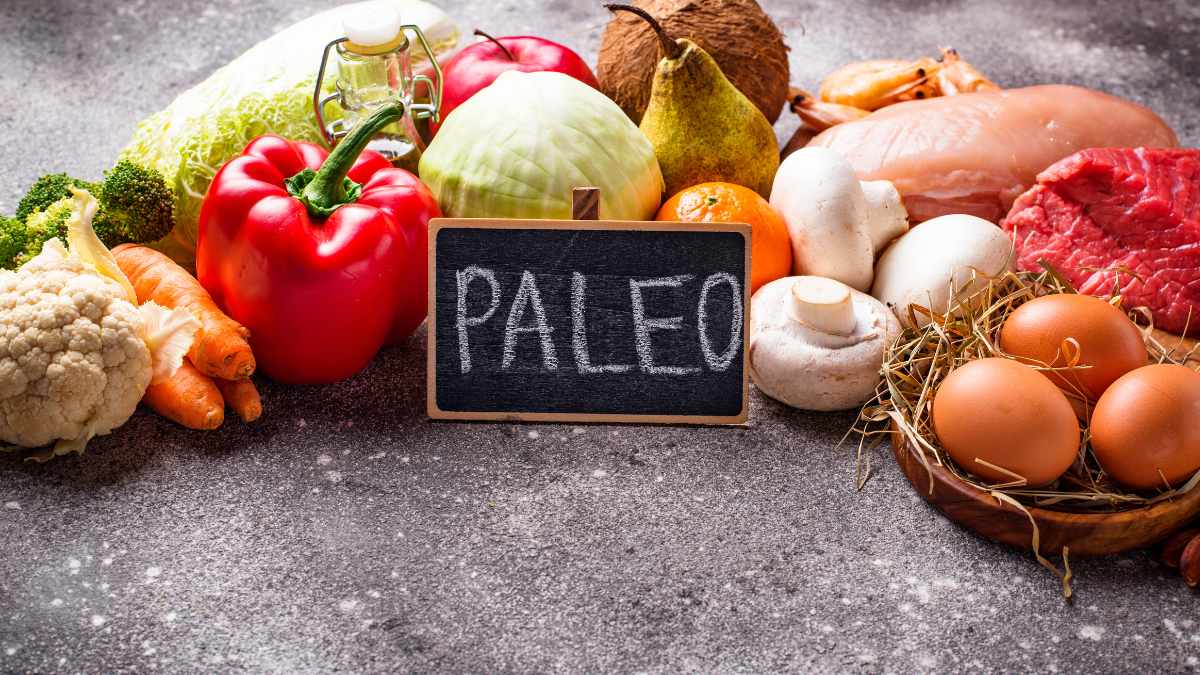
The Paleo diet, inspired by the eating habits of our hunter-gatherer ancestors, emphasizes whole foods such as meat, fish, fruits, vegetables, nuts, and seeds while excluding processed foods, grains, and dairy. Many individuals transitioning to this dietary approach report increased feelings of hunger. Understanding the underlying mechanisms of hunger within the context of the Paleo diet can help individuals manage their appetite effectively. This article delves into the various factors influencing hunger on the Paleo diet, including macronutrient roles, food choices, fiber intake, hormonal responses, and practical strategies for appetite management.
Understanding Hunger Mechanisms in the Paleo Diet
Hunger is a complex physiological response influenced by various factors, including hormonal signals, nutrient intake, and psychological aspects. When adopting the Paleo diet, individuals often experience a shift in their usual eating patterns, which can lead to increased hunger. This heightened appetite may stem from the body’s adjustment to a new macronutrient composition and the elimination of certain food groups that were previously part of the diet.
One primary mechanism of hunger is the balance of hormones such as ghrelin and leptin. Ghrelin, often referred to as the "hunger hormone," stimulates appetite, while leptin signals satiety. The Paleo diet’s emphasis on high-protein and high-fat foods can alter the secretion of these hormones, potentially leading to fluctuations in hunger levels. As the body adapts to these changes, individuals may experience periods of increased hunger until a new equilibrium is established.
Moreover, the psychological aspect of hunger cannot be overlooked. The transition to a Paleo diet may trigger cravings for foods that are no longer consumed, leading to a perception of increased hunger. This psychological hunger can manifest even when the body is adequately nourished, creating a disconnect between physical and emotional cues for eating.
Lastly, the timing and frequency of meals can also influence hunger. The Paleo diet often encourages fewer meals throughout the day, which can lead to longer periods without food intake. This intermittent fasting approach may initially increase feelings of hunger, particularly for those accustomed to more frequent eating patterns.
The Role of Macronutrients in Appetite Regulation
Macronutrients—proteins, fats, and carbohydrates—play a crucial role in regulating appetite and satiety. The Paleo diet is typically higher in protein and healthy fats, both of which are known to promote feelings of fullness. Protein, in particular, has been shown to enhance satiety more effectively than carbohydrates or fats alone. However, the absence of certain carbohydrates, especially those from whole grains, can leave some individuals feeling less satisfied.
Healthy fats, such as those from avocados, nuts, and olive oil, are integral to the Paleo diet and contribute to a sense of fullness. Fats slow down digestion, which can help prolong satiety. However, if individuals do not consume enough fats or proteins, they may experience increased hunger due to inadequate energy intake.
On the other hand, the elimination of refined carbohydrates can lead to a decrease in blood sugar spikes and crashes, which can influence hunger levels. While this stabilization can be beneficial in the long run, the initial transition may result in increased cravings for carbohydrates, leading to a perception of heightened hunger.
Understanding the balance of macronutrients is essential for managing hunger on the Paleo diet. Individuals should aim for a well-rounded intake of proteins, healthy fats, and a moderate amount of carbohydrates from fruits and vegetables to help regulate appetite effectively.
How Paleo Foods Influence Satiety and Cravings
The types of foods consumed on the Paleo diet significantly impact satiety and cravings. Whole, unprocessed foods are generally more satiating than their processed counterparts. Foods rich in protein, such as lean meats and fish, can help curb hunger more effectively than processed snacks high in sugar and refined grains.
Additionally, the inclusion of nutrient-dense foods like vegetables and fruits provides essential vitamins and minerals that support overall health. These foods are often lower in calories but high in volume, which can help fill the stomach and promote a sense of fullness without excessive calorie intake. However, some individuals may still find themselves craving the quick energy that processed carbohydrates provide, leading to feelings of hunger.
Another important consideration is the role of food variety. The Paleo diet encourages a diverse range of foods, which can help satisfy cravings and prevent feelings of deprivation. When individuals feel restricted, they may experience heightened cravings for the very foods they are avoiding. Thus, incorporating a variety of Paleo-friendly foods can help mitigate these cravings and support better appetite control.
Moreover, the psychological aspect of food choices can also influence hunger. Enjoying meals and savoring the flavors of whole foods can enhance satisfaction and reduce the desire to snack between meals. Mindful eating practices, such as focusing on the taste and texture of foods, can further support feelings of fullness and reduce overall hunger.
The Impact of Fiber Intake on Hunger Levels
Fiber is a crucial component of the Paleo diet, primarily sourced from fruits and vegetables. It plays a significant role in promoting satiety and regulating hunger levels. Soluble fiber forms a gel-like substance in the digestive tract, slowing digestion and prolonging feelings of fullness. Foods high in soluble fiber, such as apples, berries, and leafy greens, can help curb hunger effectively.
In contrast, the absence of dietary fiber from grains and legumes can lead to changes in digestion and hunger signals. While the Paleo diet encourages fiber intake from non-grain sources, some individuals may not consume sufficient amounts, leading to increased feelings of hunger. It is essential to include a variety of fiber-rich foods to ensure adequate intake and support digestive health.
Furthermore, fiber-rich foods often require more chewing and take longer to eat, which can enhance the sensation of fullness. This slower eating process allows the body more time to signal satiety, reducing the likelihood of overeating. Incorporating a range of colorful fruits and vegetables into meals can help maximize fiber intake and support appetite regulation.
Lastly, the fermentation of fiber in the gut can produce short-chain fatty acids (SCFAs), which have been shown to influence hunger hormones and promote a feeling of fullness. A diet rich in fiber not only supports digestive health but also plays a vital role in managing hunger and cravings on the Paleo diet.
Hormonal Responses to Paleo Diet Food Choices
The foods consumed on the Paleo diet can significantly influence hormonal responses related to hunger and satiety. As mentioned earlier, hormones such as ghrelin and leptin play pivotal roles in regulating appetite. The high protein and fat content of the Paleo diet can lead to increased leptin levels, promoting feelings of fullness. However, the absence of certain carbohydrates can lead to fluctuations in these hormones, particularly during the initial transition.
Another hormone, insulin, is also affected by dietary choices. The Paleo diet’s focus on low-glycemic foods helps stabilize blood sugar levels, which can prevent insulin spikes and crashes that often lead to increased hunger. When insulin levels are stable, the body is better able to regulate hunger signals, reducing the likelihood of cravings for sugary or processed foods.
Additionally, the consumption of certain nutrients, such as omega-3 fatty acids found in fatty fish, can influence hormonal balance and appetite regulation. Omega-3s have been shown to enhance leptin sensitivity, which may help improve satiety and reduce hunger levels over time. Incorporating these healthy fats into the diet can be beneficial for managing appetite.
Lastly, stress and emotional factors can also impact hormonal responses related to hunger. The Paleo diet’s emphasis on whole foods and nutrient density can support overall well-being, potentially reducing stress-related eating. By focusing on nourishing the body with nutrient-rich foods, individuals may find it easier to manage hunger and cravings effectively.
Strategies to Manage Hunger While Following Paleo Principles
Managing hunger on the Paleo diet requires a multifaceted approach. First and foremost, individuals should focus on eating sufficient amounts of protein and healthy fats. These macronutrients are essential for promoting satiety and can help curb hunger effectively. Incorporating a variety of protein sources, such as grass-fed meats, fish, eggs, and nuts, can provide the necessary nutrients to support appetite regulation.
Another effective strategy is to increase fiber intake through the consumption of a wide range of fruits and vegetables. Fiber-rich foods not only promote feelings of fullness but also support digestive health. Preparing meals that include a colorful array of vegetables can enhance nutrient density and help manage hunger levels.
Mindful eating practices can also play a significant role in managing hunger. Taking the time to savor meals, paying attention to hunger cues, and eating slowly can help individuals better recognize feelings of fullness. This approach can prevent overeating and reduce the likelihood of cravings for unhealthy snacks.
Lastly, staying hydrated is crucial for appetite management. Sometimes, feelings of hunger can be mistaken for thirst. Drinking plenty of water throughout the day can help maintain hydration levels and reduce unnecessary snacking. Herbal teas and broths can also be included as part of a hydration strategy while adhering to Paleo principles.
Conclusions:
Hunger on the Paleo diet can be influenced by various factors, including macronutrient composition, food choices, fiber intake, hormonal responses, and psychological aspects. Understanding these mechanisms can empower individuals to manage their appetite effectively while enjoying the benefits of a nutrient-dense diet. By focusing on balanced macronutrient intake, incorporating fiber-rich foods, practicing mindful eating, and staying hydrated, individuals can navigate their hunger levels and thrive on the Paleo diet.
Read more
- Paleo Diet Basics – An overview of the Paleo diet, its principles, and benefits.
- Understanding Hunger and Satiety – A scientific exploration of the mechanisms behind hunger and satiety.
- The Role of Protein in Appetite Regulation – A study on how protein influences hunger hormones and satiety.
- Fiber and Its Impact on Health – An in-depth look at the benefits of dietary fiber and its role in appetite regulation.
- Mindful Eating Techniques – Research on the effectiveness of mindful eating practices for managing hunger and cravings.