

Se hai un abbonamento attivo ACCEDI QUI
Introduction:
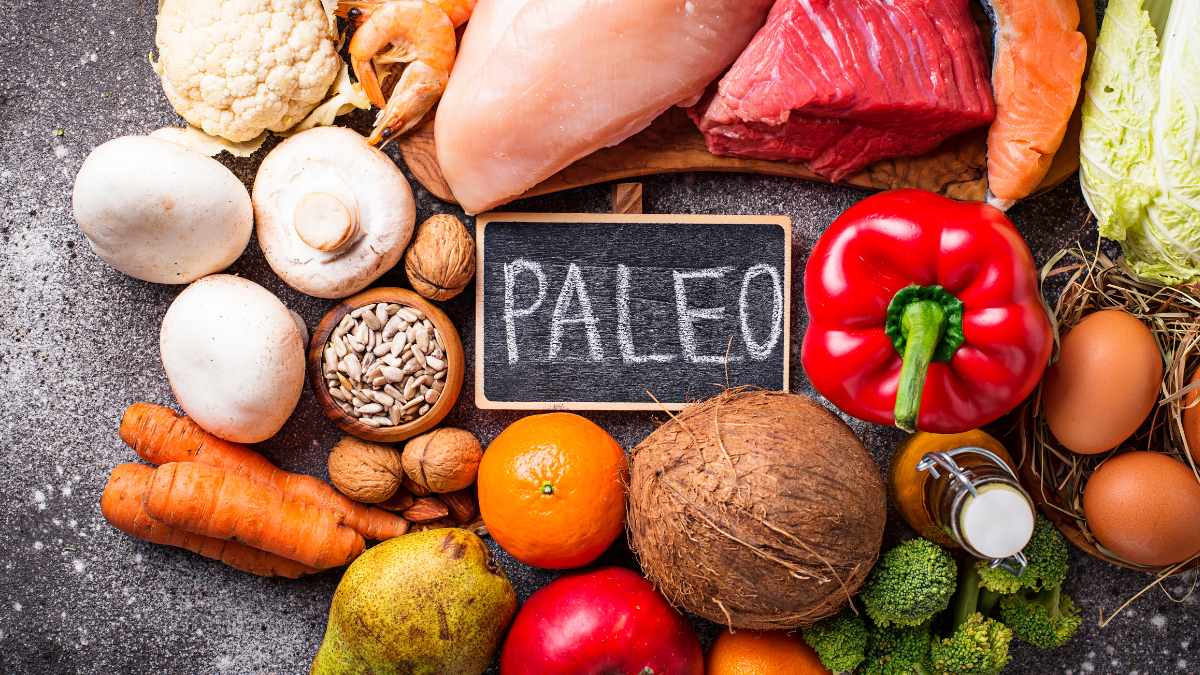
The Paleo diet, often referred to as the caveman diet, is based on the premise of eating like our ancestors did during the Paleolithic era. This dietary approach emphasizes whole, unprocessed foods that were available to early humans, such as meats, fish, fruits, vegetables, nuts, and seeds. However, one significant group of foods that is notably absent from the Paleo diet is legumes, including beans. Understanding the rationale behind this exclusion requires a deeper look into the principles of the Paleo diet, the nutritional role of legumes, and the potential anti-nutritional factors associated with beans.
Understanding the Paleo Diet: Principles and Restrictions
The Paleo diet is built on the idea that modern humans should consume foods that our ancestors thrived on, which were primarily hunter-gatherer in nature. This diet typically includes lean meats, fish, fruits, vegetables, nuts, and seeds while excluding processed foods, grains, dairy, and legumes. The underlying philosophy is rooted in the belief that the human body is not well-adapted to handle the agricultural products that became prevalent after the advent of farming.
One of the key principles of the Paleo diet is the focus on whole foods. Foods that are minimally processed and free from additives are emphasized, as they are believed to be more nutritious and beneficial for overall health. This principle extends to the exclusion of legumes, which are often considered processed in the context of the diet. Proponents argue that the human digestive system has not evolved to efficiently process these foods, leading to potential health issues.
Moreover, the Paleo diet promotes a balance of macronutrients, prioritizing protein and healthy fats while limiting carbohydrates. Legumes, including beans, are primarily carbohydrate-rich and are often seen as less favorable compared to other sources of protein and healthy fats available within the Paleo framework. This macronutrient focus further justifies their exclusion from the diet.
Lastly, the Paleo diet encourages a return to natural eating patterns that align with human evolutionary history. This perspective posits that certain food groups, such as legumes, may not have been a significant part of the diet during the Paleolithic era, thereby questioning their place in a modern dietary approach aimed at mimicking our ancestors’ eating habits.
The Role of Legumes in Nutritional Guidelines
Legumes, including beans, lentils, and peas, are often lauded for their nutritional benefits. They are rich in protein, fiber, vitamins, and minerals, making them a staple in many dietary guidelines. For instance, the Dietary Guidelines for Americans recommend legumes as a healthy source of plant-based protein, particularly for vegetarians and vegans. They are also praised for their ability to lower cholesterol levels and improve heart health.
Despite these benefits, the Paleo diet categorically excludes legumes due to their classification as anti-nutrients. Anti-nutrients are compounds that can interfere with the absorption of essential nutrients. In the case of legumes, substances such as lectins and phytates are often highlighted as problematic. These compounds can bind to minerals and hinder their bioavailability, potentially leading to deficiencies over time.
Additionally, legumes can be difficult for some individuals to digest. The presence of oligosaccharides, a type of carbohydrate found in beans, can lead to gas and bloating, particularly in those with sensitive digestive systems. This digestive discomfort is often cited by Paleo advocates as a reason to avoid legumes altogether.
Furthermore, while legumes are a good source of plant-based protein, the Paleo diet emphasizes animal protein sources as being more nutrient-dense and bioavailable. This perspective suggests that the body can more efficiently utilize the protein from meats and fish compared to that from legumes, reinforcing the rationale for their exclusion.
Analyzing the Anti-Nutritional Factors in Beans
Beans contain several anti-nutritional factors that can affect their overall health benefits. One of the most discussed is lectins, a type of protein that can bind to carbohydrates and potentially disrupt gut health. In high amounts, lectins can lead to inflammation and damage to the intestinal lining, which may contribute to conditions such as leaky gut syndrome. This concern is particularly relevant for individuals with existing digestive issues.
Another significant anti-nutritional factor found in beans is phytates. Phytates are known to chelate minerals, such as iron, zinc, and calcium, making them less available for absorption in the body. This can be problematic, especially for individuals relying on plant-based diets, as they may already be at risk for mineral deficiencies. The Paleo diet’s exclusion of beans is partly rooted in the belief that these anti-nutrients can hinder optimal health.
Moreover, the preparation methods for beans, such as soaking and cooking, can reduce some of these anti-nutritional factors. However, proponents of the Paleo diet argue that even with proper preparation, the potential negative effects of consuming legumes outweigh their nutritional benefits. The emphasis is placed on obtaining nutrients from other sources that do not carry the same risks.
In summary, while beans are often considered a healthy food choice in many dietary frameworks, the presence of anti-nutritional factors like lectins and phytates raises concerns within the context of the Paleo diet. This perspective leads to the conclusion that avoiding legumes may be beneficial for digestive health and nutrient absorption.
Impact of Lectins and Phytates on Digestive Health
The impact of lectins on digestive health is a significant concern for those following the Paleo diet. Lectins can bind to the gut lining and disrupt the mucosal barrier, potentially leading to increased intestinal permeability. This condition, often referred to as "leaky gut," can allow toxins and undigested food particles to enter the bloodstream, triggering inflammatory responses and contributing to various health issues.
In addition to lectins, phytates pose another challenge for those consuming beans. Phytates can inhibit the absorption of essential minerals, which is particularly problematic for individuals who may not be getting adequate nutrients from other food sources. Over time, a diet high in phytates may lead to deficiencies, particularly in populations that rely heavily on plant-based foods.
Furthermore, the digestive discomfort associated with beans, including gas, bloating, and cramping, can deter individuals from incorporating them into their diets. This discomfort is primarily due to the fermentation of oligosaccharides in the gut, which can produce gas as a byproduct. For many following the Paleo diet, the potential for digestive distress is a compelling reason to avoid legumes altogether.
The cumulative impact of these factors suggests that while beans may offer some nutritional benefits, the potential risks associated with their consumption—especially in the context of digestive health—are significant enough to warrant their exclusion from the Paleo diet.
Evolutionary Perspective: Human Diet and Legume Consumption
From an evolutionary perspective, the human diet has undergone significant changes over millennia. Early humans primarily consumed a diet rich in animal proteins, fruits, vegetables, nuts, and seeds. The introduction of agriculture, which included the cultivation of legumes, marked a pivotal shift in dietary patterns. However, this shift occurred relatively recently in the context of human evolution, suggesting that our bodies may not be fully adapted to process these foods.
Anthropological evidence indicates that while some hunter-gatherer societies may have included legumes in their diets, they were not a primary food source. Instead, these societies relied on high-protein animal foods and foraged plant materials. This historical context supports the argument that legumes may not be a natural fit for a diet that aims to emulate the nutritional patterns of our ancestors.
Moreover, the evolutionary argument against legumes is often reinforced by the notion that our ancestors thrived on diets that were free from the anti-nutritional factors found in beans. By focusing on foods that are more aligned with human evolutionary history, proponents of the Paleo diet argue that individuals can achieve better health outcomes and avoid potential digestive issues associated with legumes.
In conclusion, the evolutionary perspective provides a compelling rationale for the exclusion of beans from the Paleo diet. By prioritizing foods that align with our ancestral eating patterns, individuals may be able to optimize their health and well-being.
Alternatives to Beans: Nutrient-Dense Paleo-Friendly Foods
For those following the Paleo diet, the absence of beans does not mean a lack of nutritious alternatives. There are several nutrient-dense foods that can serve as substitutes for beans while still adhering to the principles of the diet.
One of the most popular alternatives is sweet potatoes, which are rich in vitamins, minerals, and fiber. They provide a satisfying source of carbohydrates without the anti-nutritional factors associated with legumes. Additionally, sweet potatoes offer a variety of health benefits, including improved gut health and enhanced immune function.
Another excellent substitute is cauliflower, which can be transformed into various dishes, such as cauliflower rice or mashed cauliflower, providing a low-carb alternative to beans. Cauliflower is versatile and can be used in numerous recipes, making it a staple for those following a Paleo lifestyle.
Nuts and seeds are also great options for adding protein and healthy fats to a Paleo diet. Almonds, walnuts, chia seeds, and flaxseeds can be incorporated into meals and snacks, providing essential nutrients without the drawbacks of legumes. These foods are nutrient-dense and can help maintain energy levels throughout the day.
Lastly, animal proteins, such as grass-fed beef, wild-caught fish, and free-range poultry, are foundational to the Paleo diet. These sources of protein are not only rich in essential amino acids but also provide healthy fats and vitamins that support overall health. By focusing on these alternatives, individuals can maintain a balanced and nutritious diet without the inclusion of beans.
Conclusions:
The exclusion of beans from the Paleo diet is rooted in a combination of evolutionary perspectives, concerns regarding anti-nutritional factors, and a focus on whole, nutrient-dense foods. While beans offer certain nutritional benefits, the potential digestive issues and nutrient absorption challenges they pose have led many to seek alternatives that align more closely with the principles of the Paleo lifestyle. By embracing a variety of other nutrient-rich foods, individuals can thrive on a diet that honors our ancestral eating patterns while promoting optimal health.
Read more
- The Paleo Diet: A Beginner’s Guide – An overview of the Paleo diet, its principles, and foods to include or avoid.
- Nutritional Benefits of Legumes – A scientific article discussing the nutritional profile and health benefits of legumes.
- Anti-Nutrients: What Are They and How Do They Affect Your Health? – An in-depth look at anti-nutrients, including lectins and phytates, and their impact on health.
- The Evolution of the Human Diet – A study exploring the dietary patterns of early humans and the implications for modern diets.
- Paleo Diet Alternatives: Nutrient-Dense Foods – A guide to nutrient-dense foods that fit within the Paleo diet framework, offering alternatives to beans.