

Introduction:
The plant-based diet has gained significant traction in recent years, embraced for its potential health benefits, ethical considerations, and environmental sustainability. However, as individuals transition to this dietary lifestyle, questions often arise regarding the inclusion of certain foods, particularly animal-derived products. One common query is whether butter, a staple in many traditional diets, can be incorporated into a plant-based regimen. This article will explore the nuances of plant-based diets, the role of fats, the nutritional profile of butter, and the availability of plant-based alternatives.
Understanding Plant-Based Diets: Definitions and Principles
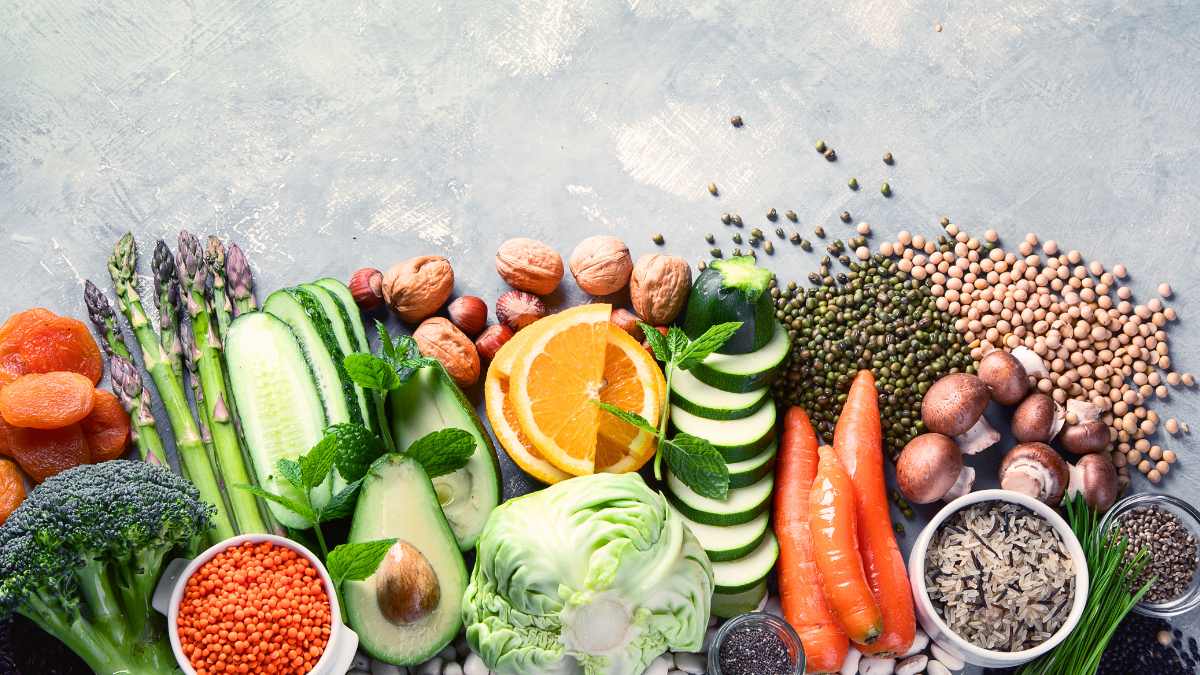
A plant-based diet primarily emphasizes the consumption of foods derived from plants, including fruits, vegetables, legumes, nuts, seeds, and whole grains. While the term "plant-based" can sometimes be used interchangeably with "vegan," it is essential to recognize that not all plant-based diets exclude animal products entirely. Some individuals may choose to adopt a predominantly plant-based diet while still allowing for occasional consumption of animal-derived foods, such as dairy or meat.
The principles of a plant-based diet revolve around maximizing nutrient density and minimizing processed foods. This approach encourages individuals to focus on whole, unrefined foods that provide essential vitamins, minerals, and phytochemicals. By prioritizing these nutrient-rich options, individuals can improve their overall health and reduce the risk of chronic diseases.
Moreover, a plant-based diet often aligns with ethical and environmental considerations. Many people are motivated by the desire to reduce their carbon footprint, support animal welfare, and promote sustainable agricultural practices. These principles can influence dietary choices, leading individuals to seek alternatives to traditional animal products, including dairy.
Understanding the flexibility within plant-based diets is crucial for individuals navigating their dietary choices. While some may strictly avoid all animal products, others may find a balance that suits their lifestyle and health goals. This flexibility can impact decisions regarding the consumption of foods like butter.
The Role of Fats in a Plant-Based Nutritional Framework
Fats play a vital role in any diet, including plant-based ones. They are essential for the absorption of fat-soluble vitamins (A, D, E, and K), provide a concentrated source of energy, and are crucial for various bodily functions, including hormone production and cell membrane integrity. However, not all fats are created equal, and understanding the types of fats is essential for making informed dietary choices.
In the context of a plant-based diet, it is important to emphasize healthy fats, such as those found in avocados, nuts, seeds, and olive oil. These sources of fat are rich in monounsaturated and polyunsaturated fatty acids, which have been associated with numerous health benefits, including reduced inflammation and improved heart health. Conversely, saturated fats, which are prevalent in animal products like butter, can contribute to health issues when consumed in excess.
When considering the role of fats in a plant-based diet, individuals should aim to strike a balance between obtaining adequate healthy fats while minimizing saturated and trans fats. This approach can help maintain optimal health and support overall well-being. As a result, the inclusion of certain fats, including butter, may require careful consideration.
Understanding the balance of fats in a plant-based diet can help individuals make informed choices about their dietary fat sources. While butter may offer some culinary benefits, its saturated fat content may not align with the principles of a health-focused plant-based diet.
Nutritional Composition of Butter: Benefits and Drawbacks
Butter is primarily composed of fat, with approximately 80% of its content being fat. The remaining components include water and milk solids. The predominant type of fat in butter is saturated fat, which has been a topic of debate among nutritionists and health experts. While some studies suggest that saturated fat may not be as harmful as once thought, excessive consumption is still linked to an increased risk of heart disease.
One of the potential benefits of butter is its rich flavor and versatility in cooking and baking. It can enhance the taste of various dishes and provide a satisfying mouthfeel. Additionally, butter contains fat-soluble vitamins such as A, D, E, and K, which are essential for various bodily functions. However, the health implications of these benefits must be weighed against the drawbacks of its high saturated fat content.
Another concern regarding butter is its impact on cholesterol levels. Saturated fats can raise levels of low-density lipoprotein (LDL) cholesterol, often referred to as "bad" cholesterol. Elevated LDL cholesterol is a known risk factor for cardiovascular disease, prompting many health organizations to recommend limiting saturated fat intake.
Ultimately, while butter may offer some culinary advantages and nutritional benefits, its drawbacks, particularly regarding heart health, cannot be overlooked. Individuals following a plant-based diet must consider these factors when deciding whether to include butter in their meals.
Examining Plant-Based Alternatives to Traditional Butter
For those following a plant-based diet, numerous alternatives to traditional butter are available. These alternatives are typically made from plant-based oils, nuts, or seeds, providing a similar texture and flavor profile without the saturated fat found in butter. Common options include margarine, coconut oil, and nut-based spreads.
Margarine, often marketed as a butter substitute, can vary widely in its nutritional composition. Some brands contain trans fats, which are detrimental to heart health, while others are formulated with healthier oils. It is crucial for consumers to read labels carefully to choose margarines that are free from trans fats and high in unsaturated fats.
Coconut oil is another popular alternative, known for its rich flavor and versatility. However, it is essential to note that coconut oil is high in saturated fat, similar to butter. While it may be suitable for certain recipes, moderation is key to maintaining a balanced diet.
Nut-based spreads, such as almond or cashew butter, offer a nutritious alternative that provides healthy fats, protein, and essential nutrients. These spreads can be used in various applications, from spreading on toast to incorporating into smoothies and baked goods. By exploring these alternatives, individuals can enjoy the culinary benefits of spreads while adhering to a plant-based diet.
Health Implications of Consuming Butter on a Plant-Based Diet
The decision to include butter in a plant-based diet can have significant health implications. As previously mentioned, butter is high in saturated fat, which may contribute to elevated cholesterol levels and an increased risk of heart disease. For individuals who prioritize heart health, limiting saturated fat intake is often recommended.
Furthermore, the consumption of butter may conflict with the goals of a plant-based diet, which emphasizes whole, nutrient-dense foods. While butter can enhance the flavor of dishes, it does not provide the same nutritional benefits as whole food sources of fats, such as avocados or nuts. This misalignment can lead to a less balanced diet overall.
Another consideration is the potential for inflammation. Some studies suggest that diets high in saturated fats may promote inflammation in the body, which is linked to various chronic diseases. For those following a plant-based diet, which often aims to reduce inflammation through the consumption of whole, plant-based foods, the inclusion of butter may counteract these efforts.
Ultimately, the health implications of consuming butter on a plant-based diet depend on individual health goals and dietary preferences. While some may choose to include butter in moderation, others may find that plant-based alternatives better align with their nutritional objectives.
Conclusions:
Navigating dietary choices within a plant-based framework can be complex, particularly when it comes to including traditional animal products like butter. While butter offers certain culinary benefits, its high saturated fat content and potential health implications may not align with the principles of a health-focused plant-based diet. Exploring plant-based alternatives can provide individuals with options that support their dietary goals while still allowing for enjoyable culinary experiences.
Read more:
- Academy of Nutrition and Dietetics – Vegetarian Diets – A comprehensive overview of vegetarian and plant-based diets, including nutritional considerations.
- Harvard T.H. Chan School of Public Health – Fats and Cholesterol – An in-depth look at the role of fats in the diet and their health implications.
- American Heart Association – Saturated Fat – Information on saturated fats, their sources, and their impact on heart health.
- Plant-Based Diets: A Guide – NutritionFacts.org – A resource for understanding the benefits and principles of plant-based diets.
- Cleveland Clinic – Plant-Based Diet: What You Need to Know – A guide to plant-based diets, including tips for transitioning and nutritional considerations.