

Se hai un abbonamento attivo ACCEDI QUI
Introduction:
The vegan diet has gained significant popularity in recent years, driven by health concerns, ethical considerations, and environmental awareness. A common question among those adopting this lifestyle is whether certain staple foods, such as rice, fit within the parameters of a vegan diet. Understanding the core principles of veganism and the nutritional aspects of rice is essential for anyone looking to maintain a balanced and ethical diet. This article aims to explore the relationship between vegans and rice, examining its nutritional composition, types, potential allergens, cooking methods, and overall role in a vegan diet.
Understanding the Vegan Diet: Core Principles Explained
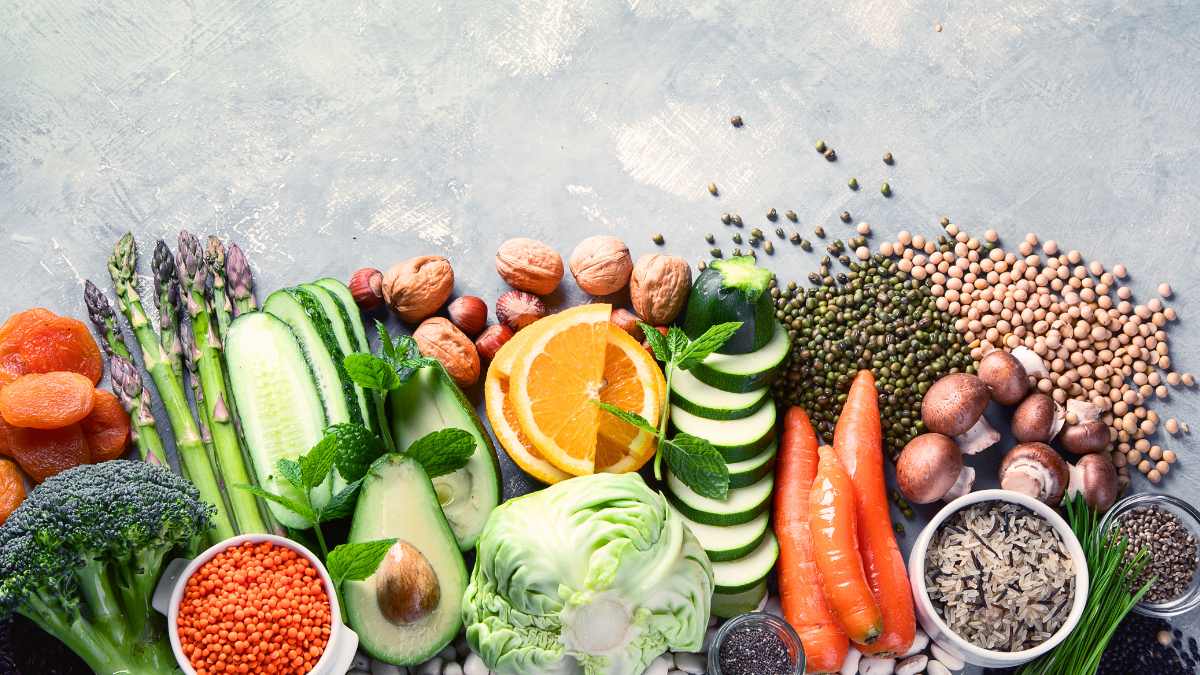
The vegan diet is primarily defined by the exclusion of all animal products, including meat, dairy, eggs, and even honey. This dietary choice is often motivated by ethical concerns regarding animal welfare, environmental sustainability, and health benefits. Vegans focus on consuming plant-based foods, which include fruits, vegetables, grains, legumes, nuts, and seeds. Understanding these core principles is crucial for anyone considering a vegan lifestyle.
In addition to avoiding animal products, many vegans also emphasize the importance of whole foods over processed items. This means that while a product may be labeled as vegan, it does not automatically qualify as healthy. Whole grains, fresh produce, and minimally processed foods are typically preferred for their nutritional value. Rice, being a staple grain, often comes into question regarding its place in a vegan diet.
Moreover, the vegan philosophy extends beyond diet to encompass a lifestyle that seeks to minimize harm to animals in all aspects. This includes avoiding products such as leather, wool, and cosmetics tested on animals. Therefore, understanding the broader implications of veganism can help individuals make informed choices about what they consume.
Lastly, it is essential to recognize that veganism is not a one-size-fits-all approach. People may adopt varying degrees of strictness in their dietary choices, leading to a spectrum of vegan practices. Flexibility and personal preference play significant roles in how individuals navigate their vegan journey.
Nutritional Composition of Rice: A Detailed Analysis
Rice is a staple food for over half of the world’s population, and its nutritional profile makes it a valuable component of many diets, including vegan ones. Rich in carbohydrates, rice serves as a primary energy source, providing essential fuel for daily activities. It is particularly beneficial for those who engage in regular physical activity.
In terms of micronutrients, rice contains a range of vitamins and minerals, albeit in varying amounts depending on the type. For instance, brown rice is a whole grain that retains its bran and germ, offering higher levels of fiber, iron, and B vitamins compared to white rice. Fiber is crucial for digestive health, while B vitamins play a vital role in energy metabolism and overall well-being.
Another important aspect of rice is its low allergenic potential, making it a suitable option for individuals with food sensitivities. Unlike many other grains, rice is less likely to trigger allergic reactions, which is particularly beneficial for those following a vegan diet that may already be limited in options. This makes rice a versatile staple that can be included in a variety of dishes.
However, it is essential to consider the glycemic index (GI) of rice, especially for those managing blood sugar levels. White rice has a higher GI than brown rice, which means it can cause a quicker spike in blood sugar. Choosing whole grain options can mitigate this effect, making rice a more balanced choice in a vegan diet.
Types of Rice: Varieties Suitable for Vegan Consumption
There are several types of rice available, each with unique characteristics and nutritional benefits. The most common varieties include white rice, brown rice, jasmine rice, basmati rice, and wild rice. All these types are inherently vegan, as they are derived from plants and do not contain any animal products.
Brown rice is often considered the healthiest option due to its higher fiber content and nutrient density. It is less processed than white rice, retaining its bran and germ, which provide essential vitamins and minerals. This makes brown rice a popular choice among health-conscious vegans looking to maximize their nutrient intake.
Jasmine and basmati rice are aromatic varieties that add unique flavors to dishes. Both types are available in white and brown versions, allowing for flexibility in meal preparation. They can be used in various cuisines, from Asian stir-fries to Indian curries, making them versatile options for vegans.
Wild rice, although technically a grass, is another excellent choice for vegans. It is higher in protein and fiber compared to traditional rice varieties, making it a nutritious addition to salads, soups, and grain bowls. Each type of rice can contribute to a balanced vegan diet, offering different flavors and textures.
Potential Allergens and Contaminants in Rice Products
While rice is generally considered hypoallergenic, there are potential allergens and contaminants to be aware of. One concern is the presence of gluten in rice products, particularly for those with celiac disease or gluten intolerance. However, rice itself is naturally gluten-free, making it a safe option for individuals with these conditions.
Another issue to consider is the potential for arsenic contamination in rice, particularly in certain regions where rice is grown. Arsenic is a toxic element that can accumulate in rice plants, especially in brown rice, which retains more of the outer layers where arsenic tends to concentrate. To mitigate this risk, it is advisable to rinse rice thoroughly before cooking and to vary the types of grains consumed.
Additionally, cross-contamination can occur in processed rice products, such as rice flour or rice cakes. Vegans should be cautious when purchasing these items, ensuring that they are labeled as gluten-free and free from other allergens. Reading labels and choosing certified products can help minimize exposure to unwanted substances.
Lastly, some rice products may contain added ingredients that are not vegan-friendly, such as dairy or egg-based additives. Vigilance in reading ingredient lists is essential to ensure that all components of a dish align with vegan principles.
Cooking Methods: Vegan-Friendly Techniques for Rice
Cooking rice can be a straightforward process, but employing various techniques can enhance its flavor and nutritional value. The most common method is boiling, where rice is cooked in water until it absorbs the liquid. This method is simple and effective, but adding spices, herbs, or vegetable broth can elevate the taste significantly.
Steaming is another excellent technique for cooking rice, particularly for varieties like jasmine or basmati. This method preserves more nutrients and can yield a fluffier texture. Steamed rice can be served as a side dish or incorporated into salads and grain bowls, making it a versatile option for vegans.
For those looking to incorporate more flavor into their meals, stir-frying cooked rice with vegetables, tofu, and sauces can create a delicious and satisfying dish. This technique allows for creativity in the kitchen, enabling the use of seasonal produce and various spices to enhance the overall meal.
Lastly, baking rice dishes, such as casseroles or pilafs, can be a convenient way to prepare a complete meal. Combining rice with legumes, vegetables, and spices in a baking dish allows for a one-pot meal that is both nutritious and easy to prepare. This method is particularly appealing for meal prep and can yield leftovers for future meals.
Conclusions:
Rice is undoubtedly a staple in a vegan diet, offering a wealth of nutritional benefits and culinary versatility. With its various types and cooking methods, rice can be adapted to suit a wide range of tastes and preferences. Understanding the potential allergens and contaminants associated with rice products is essential for maintaining a healthy vegan lifestyle. Ultimately, rice can serve as a reliable source of energy and nutrients, making it a valuable addition to any plant-based diet.
Read more
- The Vegan Society – A comprehensive resource for understanding veganism, including dietary guidelines and ethical considerations.
- NutritionData – Offers detailed nutritional information on various foods, including different types of rice.
- USDA FoodData Central – A reliable database for nutritional information on food products, including rice and its varieties.
- Celiac Disease Foundation – Provides information on gluten intolerance and safe food choices for those with celiac disease.
- Environmental Protection Agency (EPA) – Offers insights into contaminants like arsenic and guidelines for safe food consumption.