
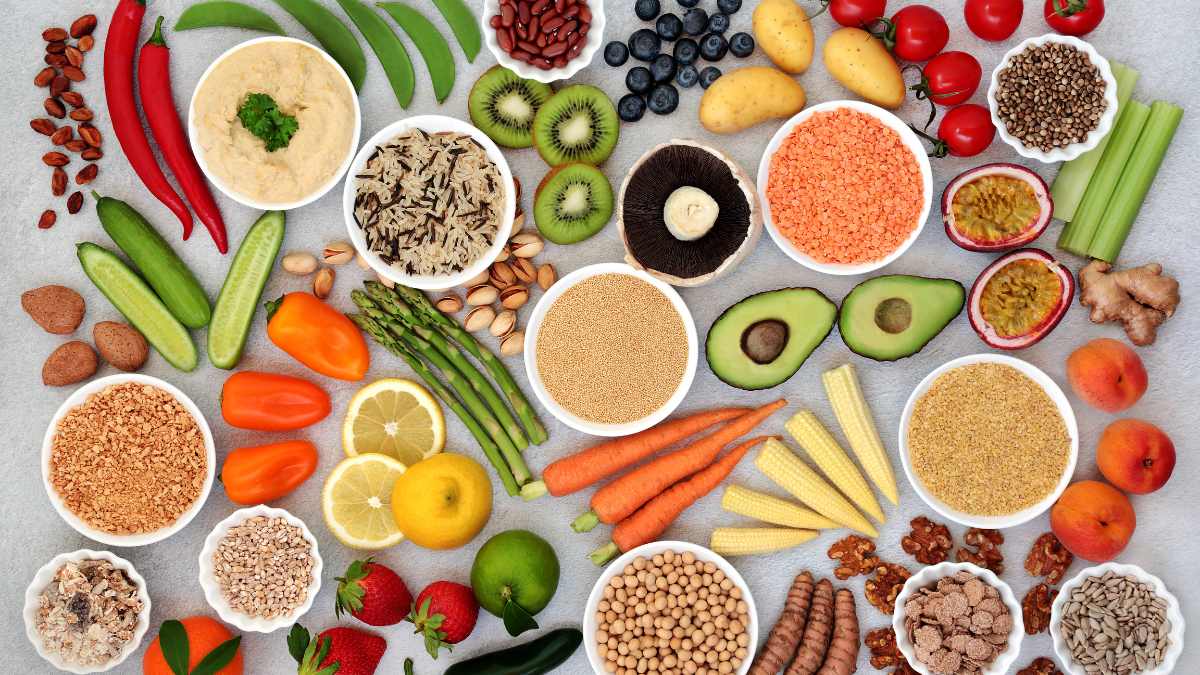

Introduction:
In recent years, plant-based diets have gained immense popularity due to their numerous health benefits and ethical considerations. As individuals transition to these diets, a common question arises: Can you eat oil on a plant-based diet? While oils are often derived from plants, their role in a plant-based diet is nuanced. This article aims to explore the complexities of oil consumption within a plant-based framework, examining the nutritional composition of various oils, their health implications, and how they compare to whole food sources.
Understanding the Role of Oils in a Plant-Based Diet
Oils play a significant role in culinary practices, providing flavor, texture, and a source of calories. In a plant-based diet, oils can be derived from various sources, including nuts, seeds, and fruits. They can enhance the palatability of meals, making it easier for individuals to enjoy a diverse range of foods. However, the question of whether oils should be included in a plant-based diet is often debated among nutritionists and health advocates.
The primary function of oils is to supply caloric density. This is particularly important in a plant-based diet, where whole foods such as fruits, vegetables, and grains are often lower in calories. By incorporating oils, individuals can increase their energy intake without significantly increasing the volume of food consumed. This can be beneficial for those who may struggle to meet their caloric needs, such as athletes or individuals with high energy expenditures.
However, the introduction of oils can also lead to an imbalance in nutrient intake. Oils are devoid of fiber, vitamins, and minerals that are abundant in whole plant foods. Therefore, relying heavily on oils can detract from the overall nutritional quality of a plant-based diet. It is essential to consider how oils fit into the broader context of dietary choices, ensuring they complement rather than replace nutrient-dense foods.
Moreover, the type of oil consumed matters significantly. Some oils, such as olive oil and avocado oil, are often touted for their health benefits, while others, like palm oil, may raise concerns due to environmental and health implications. Understanding the role of oils requires a nuanced approach, considering both their culinary benefits and their nutritional impact.
Nutritional Composition of Common Plant-Based Oils
Plant-based oils vary significantly in their nutritional profiles. For instance, olive oil is rich in monounsaturated fats, which have been associated with heart health. It also contains antioxidants such as vitamin E and polyphenols, which can contribute to overall health. Conversely, oils like coconut oil are high in saturated fats, which may raise LDL cholesterol levels when consumed in excess.
Other oils, such as flaxseed oil and hemp oil, are excellent sources of omega-3 fatty acids, which are essential for brain health and reducing inflammation. These oils can be particularly beneficial for individuals following a plant-based diet, as they may struggle to obtain sufficient omega-3s from whole food sources alone. However, it is crucial to consume these oils in moderation, as they are calorie-dense.
Additionally, oils derived from seeds, such as sunflower and safflower oil, are high in polyunsaturated fats. While these fats can be beneficial in moderation, excessive consumption may lead to an imbalance in omega-6 to omega-3 fatty acids, potentially promoting inflammation. Therefore, it is essential to consider the overall balance of fats in the diet when selecting oils.
Ultimately, the nutritional composition of oils should guide their inclusion in a plant-based diet. Understanding the benefits and drawbacks of each type of oil can help individuals make informed choices that align with their health goals.
Health Implications of Consuming Oil on a Vegan Diet
The health implications of oil consumption in a vegan diet can be complex. On one hand, moderate consumption of certain oils can support heart health and provide essential fatty acids. For example, olive oil has been linked to a reduced risk of cardiovascular disease, thanks to its high monounsaturated fat content and antioxidant properties. Including such oils in moderation can enhance the overall quality of a plant-based diet.
On the other hand, excessive oil consumption can lead to weight gain and associated health issues. Since oils are calorie-dense, they can contribute to an increased caloric intake if not monitored. This can be particularly concerning for individuals who are trying to manage their weight or those who may not be physically active. It is essential to strike a balance between enjoying the culinary benefits of oils and maintaining a healthy caloric intake.
Moreover, the type of oil consumed can influence health outcomes. For instance, oils high in saturated fats, such as coconut oil, have been linked to increased LDL cholesterol levels, which may elevate the risk of heart disease. In contrast, oils rich in unsaturated fats, like olive and avocado oil, may promote heart health when used in moderation. Therefore, the choice of oil can have significant implications for overall health.
In summary, while oils can offer health benefits when consumed wisely, they also pose risks if used excessively or if unhealthy oils are chosen. Understanding these implications is crucial for anyone following a vegan diet, as it allows for informed decisions about oil consumption.
Comparing Whole Foods vs. Oil in Plant-Based Nutrition
When considering the role of oils in a plant-based diet, it is essential to compare them with whole food sources. Whole foods, such as nuts, seeds, avocados, and olives, provide not only healthy fats but also a plethora of other nutrients, including fiber, vitamins, and minerals. These nutrients work synergistically to promote health, making whole foods a more beneficial choice than isolated oils.
For instance, while olive oil is a healthy fat source, it lacks the fiber and other nutrients found in whole olives. Consuming whole olives provides the benefits of healthy fats along with fiber, which aids digestion and promotes satiety. This is a crucial consideration for individuals looking to maintain a healthy weight or improve their overall nutrition.
Furthermore, whole foods tend to have a lower caloric density compared to oils. This means that individuals can consume larger portions of whole foods, leading to greater feelings of fullness and satisfaction. In contrast, oils can contribute to rapid increases in caloric intake without providing the same sense of fullness, potentially leading to overeating.
Ultimately, while oils can be a part of a plant-based diet, they should not replace whole food sources of fats. Striving for a balance that prioritizes whole foods while using oils sparingly can enhance the overall nutritional quality of a plant-based diet.
Recommendations for Oil Consumption in Plant-Based Eating
To incorporate oils healthily into a plant-based diet, several recommendations can be followed. First and foremost, it is advisable to choose high-quality oils that are minimally processed. Extra virgin olive oil, for example, retains more of its beneficial compounds compared to refined oils. Opting for oils that are cold-pressed can also ensure that they maintain their nutritional integrity.
Moderation is key when it comes to oil consumption. A general guideline is to limit oil intake to about 1-2 tablespoons per day, depending on individual caloric needs and activity levels. This approach allows individuals to enjoy the flavor and benefits of oils without overdoing it. It is also beneficial to incorporate a variety of oils to obtain different types of fatty acids and nutrients.
Additionally, incorporating whole food sources of fats into the diet can help reduce reliance on oils. Foods such as nuts, seeds, avocados, and olives provide healthy fats along with essential nutrients. By prioritizing these whole food sources, individuals can enhance their overall nutrition while still enjoying the benefits of healthy fats.
Finally, being mindful of cooking methods can also influence oil consumption. Opting for steaming, baking, or grilling instead of frying can reduce the need for added oils while still producing delicious meals. When oil is used, consider using it as a finishing touch rather than a primary cooking medium to enhance flavor without excessive caloric intake.
Conclusions:
In conclusion, oils can be included in a plant-based diet, but their consumption should be approached with care. Understanding the role of oils, their nutritional composition, and their health implications is crucial for making informed dietary choices. While oils can enhance flavor and provide essential fatty acids, they should not replace nutrient-dense whole foods. By prioritizing whole food sources of fats and using oils in moderation, individuals can strike a balance that supports their health and aligns with their plant-based lifestyle.
Read more
- NutritionFacts.org – A reliable source for evidence-based nutrition information, including the health impacts of various oils.
- The American Heart Association – Offers guidelines on fat consumption and heart health, including the benefits of unsaturated fats.
- Harvard T.H. Chan School of Public Health – Provides comprehensive information on dietary fats, including oils and their effects on health.
- The Vegan Society – A resource for vegan nutrition, including discussions on the role of oils in a plant-based diet.
- Healthline – Features articles on the nutritional profiles of various oils and their health benefits.