

Se hai un abbonamento attivo ACCEDI QUI
Introduction:
In recent years, plant-based diets have surged in popularity, driven by health consciousness, environmental concerns, and ethical considerations regarding animal welfare. However, the question of whether cheese, a staple dairy product, fits into a plant-based diet remains a topic of debate. This article aims to explore the complexities surrounding cheese in the context of plant-based eating, examining definitions, nutritional aspects, alternatives, and health implications.
Understanding Plant-Based Diets: Definitions and Principles
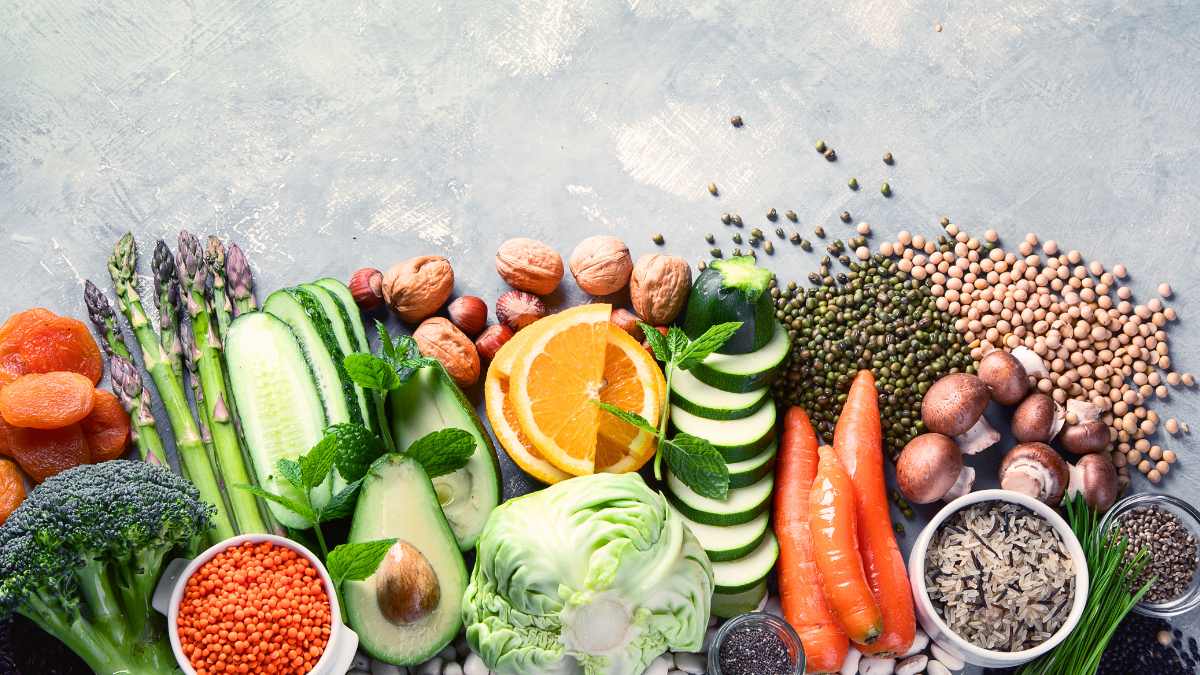
Plant-based diets primarily emphasize the consumption of whole, minimally processed foods derived from plants. This includes fruits, vegetables, legumes, nuts, seeds, and whole grains. While the term "plant-based" often suggests a vegetarian or vegan lifestyle, it can also encompass a spectrum of dietary choices that may include varying amounts of animal products. Flexitarianism, for example, allows for occasional meat or dairy consumption while prioritizing plant foods.
The principles of a plant-based diet typically revolve around health benefits, such as reducing the risk of chronic diseases, improving digestive health, and promoting weight management. Sustainability is another crucial principle, as plant-based diets are generally associated with lower carbon footprints and reduced resource consumption compared to meat-heavy diets. However, the extent to which dairy products like cheese fit into this framework can vary based on individual interpretations of a plant-based lifestyle.
Moreover, cultural factors and personal preferences play a significant role in shaping dietary choices. For some, cheese may be an integral part of their culinary traditions, making it challenging to eliminate entirely. Thus, understanding the nuances of plant-based diets is essential when considering the inclusion of cheese.
Finally, it is important to recognize that the term "plant-based" does not equate to "vegan." While all vegan diets are plant-based, not all plant-based diets are strictly vegan. This distinction can lead to diverse interpretations regarding the inclusion of dairy products, including cheese.
The Role of Dairy in Traditional Nutrition Guidelines
Dairy products have long been a cornerstone of traditional nutrition guidelines, often recommended for their rich calcium and protein content. The U.S. Dietary Guidelines suggest that dairy can contribute to a balanced diet, providing essential nutrients such as vitamin D, potassium, and phosphorus. Cheese, in particular, is noted for its high calcium levels, which are vital for bone health.
However, the perception of dairy has shifted in recent years due to emerging research linking high dairy consumption to various health concerns. Some studies suggest that excessive intake of saturated fats found in dairy may contribute to heart disease. Consequently, many nutritionists now advocate for moderation and emphasize the importance of choosing low-fat or non-fat dairy options.
In the context of a plant-based diet, the role of dairy is increasingly scrutinized. While some individuals may choose to include dairy for its nutritional benefits, others may opt to eliminate it altogether due to ethical concerns regarding animal welfare or lactose intolerance. This divergence raises the question of whether cheese can still be considered part of a plant-based diet.
Ultimately, the inclusion of dairy in dietary guidelines reflects a broader societal debate about the role of animal products in nutrition. As more individuals adopt plant-based lifestyles, the conversation surrounding dairy, including cheese, continues to evolve.
Analyzing Cheese: Nutritional Composition and Benefits
Cheese is a nutrient-dense food that offers a variety of health benefits. It is an excellent source of calcium, which is crucial for maintaining strong bones and teeth. Additionally, cheese provides high-quality protein, essential fatty acids, and various vitamins such as A, B12, and riboflavin. The fermentation process involved in cheese production also contributes beneficial probiotics, which can enhance gut health.
Despite its nutritional benefits, cheese is often criticized for its high saturated fat and sodium content. These factors can pose health risks when consumed in excess, particularly for individuals with heart disease or hypertension. As a result, moderation is key when incorporating cheese into any diet, including plant-based ones.
Moreover, the nutritional composition of cheese can vary significantly depending on the type and production method. For instance, hard cheeses like Parmesan tend to be higher in protein and calcium, while soft cheeses like Brie may contain more fat. Understanding these differences can help individuals make informed choices about which types of cheese to include in their diets.
In summary, while cheese can offer several nutritional benefits, it is essential to consider individual health needs and dietary goals when determining its role in a plant-based diet.
Plant-Based Alternatives: Evaluating Dairy-Free Cheese Options
As the demand for plant-based diets grows, so does the market for dairy-free cheese alternatives. These products are typically made from nuts, seeds, soy, or coconut and aim to replicate the taste and texture of traditional cheese. Nutritional yeast, for example, is a popular ingredient that provides a cheesy flavor while being rich in B vitamins and protein.
However, not all dairy-free cheese options are created equal. Some products may be highly processed and contain additives that detract from their nutritional value. It is crucial for consumers to read labels carefully and choose options that prioritize whole ingredients and minimal processing. Homemade versions of plant-based cheese can also be an excellent alternative, allowing for customization and control over ingredients.
In addition to taste and texture, the environmental impact of plant-based cheese is an important consideration. Many dairy-free alternatives are marketed as more sustainable options, as they typically require fewer resources to produce compared to animal-based cheese. However, the environmental footprint can vary widely among different brands and types of plant-based cheese.
Ultimately, the choice of whether to include dairy-free cheese in a plant-based diet depends on individual preferences, nutritional goals, and ethical considerations. With a growing variety of options available, consumers can find alternatives that suit their needs while adhering to a plant-based lifestyle.
Health Implications: Cheese Consumption in Plant-Based Diets
The health implications of cheese consumption within plant-based diets can be complex. While cheese provides essential nutrients, its high saturated fat and sodium content may pose risks for certain individuals. Studies have shown that excessive consumption of saturated fats can lead to elevated cholesterol levels and increased risk of heart disease. Therefore, moderation is crucial for those who choose to include cheese in their diets.
Moreover, individuals with lactose intolerance or dairy allergies must navigate the challenges of cheese consumption carefully. For these individuals, even small amounts of cheese can lead to digestive discomfort or allergic reactions. Fortunately, the availability of lactose-free and plant-based cheese alternatives provides options for those who wish to avoid traditional dairy products.
Research also indicates that the overall dietary pattern matters more than individual foods. A well-balanced plant-based diet rich in fruits, vegetables, whole grains, and legumes can provide the necessary nutrients without relying heavily on cheese. For those who enjoy cheese, incorporating it as an occasional treat rather than a staple can help mitigate potential health risks.
In conclusion, the health implications of cheese consumption in plant-based diets depend on individual health status, dietary preferences, and overall eating patterns. By making informed choices and practicing moderation, individuals can enjoy cheese while adhering to a plant-based lifestyle.
Conclusions: Integrating Cheese into a Plant-Based Lifestyle
The question of whether cheese is part of a plant-based diet is not a straightforward one. While traditional definitions of plant-based eating emphasize the exclusion of animal products, many individuals interpret this concept more flexibly, allowing for the occasional inclusion of cheese. Ultimately, the decision to incorporate cheese into a plant-based lifestyle depends on personal values, health considerations, and dietary preferences.
For those who choose to include cheese, it is essential to focus on quality over quantity. Opting for high-quality, minimally processed cheeses and practicing moderation can help individuals enjoy the benefits of cheese without compromising their health goals. Additionally, exploring plant-based cheese alternatives can provide a satisfying and nutritious option for those who wish to avoid dairy altogether.
As the landscape of nutrition continues to evolve, the conversation around cheese and plant-based diets will likely persist. By staying informed and making conscious choices, individuals can navigate this complex terrain and find a balance that works for their unique lifestyles.
Read more:
- U.S. Dietary Guidelines – Comprehensive information on dietary recommendations and nutritional guidelines.
- NutritionData – Cheese – Detailed nutritional profiles of various types of cheese.
- Healthline – Plant-Based Diets – Insights into the health benefits and principles of plant-based eating.
- Harvard Health – Dairy and Health – Research on the health implications of dairy consumption.
- Plant-Based News – Dairy-Free Cheese Alternatives – A resource for exploring various plant-based cheese options and their nutritional value.