

Se hai un abbonamento attivo ACCEDI QUI
Introduction:
The question of whether cheese can be classified as a plant-based product has gained significant traction in recent years, particularly with the rise of veganism and the increasing popularity of plant-based diets. The term "cheese plant" may evoke images of a botanical entity; however, it refers to the growing trend of producing cheese-like products using plant-derived ingredients. This article delves into the botanical aspects of cheese production, the nutritional composition of plant-based alternatives, and consumer perceptions, while also exploring future trends in the plant-based cheese market.
Understanding the Cheese Plant: A Botanical Overview
The term "cheese plant" is often misunderstood; it does not refer to a specific plant but rather to the concept of creating cheese-like products from plant sources. Botanically speaking, cheese is a dairy product derived from milk, which is coagulated and fermented to produce curds. In contrast, plant-based cheeses utilize ingredients such as nuts, soy, and various starches to mimic the texture and flavor of traditional cheese. These alternatives often rely on fermentation processes to develop complex flavors, similar to those found in dairy cheese.
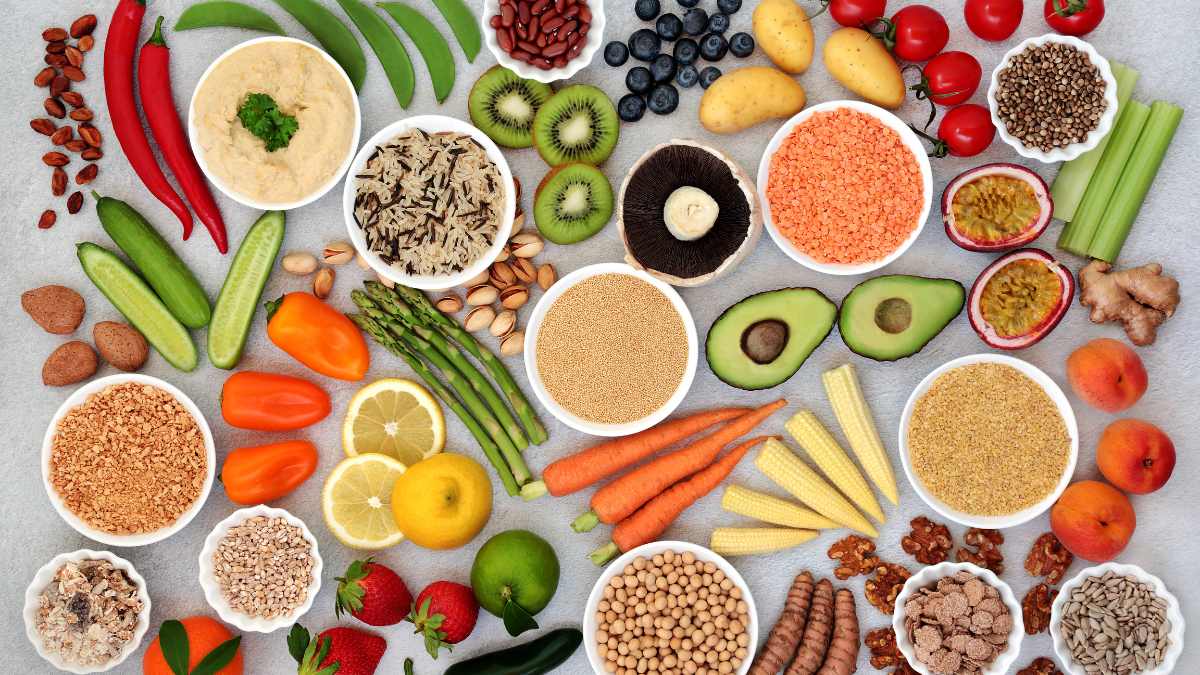
The primary ingredients used in plant-based cheese production include cashews, almonds, and coconuts, which provide a creamy texture. Legumes and grains are also employed for their protein content and functional properties. For instance, soybeans are a popular choice for creating tofu-based cheeses, while rice and oats can be used to produce creamy spreads. The versatility of these ingredients allows for a wide range of flavors and textures, catering to diverse consumer preferences.
In addition to nuts and legumes, various plant-based emulsifiers and stabilizers are often incorporated to enhance the mouthfeel and meltability of these products. Common emulsifiers include lecithin derived from soy or sunflower, which help to create a creamy consistency. Furthermore, the use of nutritional yeast is prevalent in many plant-based cheeses, contributing a savory, cheesy flavor without any dairy content.
Overall, the botanical landscape of cheese alternatives reflects a growing awareness of dietary preferences and restrictions. As consumers seek healthier and more sustainable options, the cheese plant concept continues to evolve, pushing the boundaries of traditional cheese-making.
Nutritional Composition of Cheese Plant Ingredients
The nutritional profile of plant-based cheese alternatives varies significantly depending on the ingredients used. Typically, these products are lower in saturated fat and cholesterol compared to traditional dairy cheese. For instance, nut-based cheeses often contain healthy fats, such as omega-3 and omega-6 fatty acids, which are beneficial for heart health. Additionally, many plant-based cheeses are fortified with vitamins and minerals, including calcium and vitamin B12, to mimic the nutritional benefits of dairy cheese.
However, it is essential to note that not all plant-based cheeses are created equal. Some products may contain high levels of sodium or additives to enhance flavor and shelf life. Consumers should carefully read labels to ensure they are making informed choices. Furthermore, the protein content in plant-based cheeses can vary widely; while nut-based cheeses may provide some protein, they often do not match the protein levels found in dairy cheese.
Another critical aspect of the nutritional composition is the presence of dietary fiber in many plant-based cheeses. Fiber is essential for digestive health and can contribute to a feeling of fullness, making these products appealing to those seeking to manage their weight. However, the fiber content may not be as high as that found in whole foods such as fruits, vegetables, and whole grains.
In summary, while plant-based cheeses often offer a healthier alternative to traditional dairy products, it is crucial for consumers to evaluate the nutritional composition of these alternatives. By understanding the ingredients and their health benefits, individuals can make choices that align with their dietary goals.
The Role of Plant-Based Ingredients in Cheese Production
Plant-based ingredients play a pivotal role in the production of cheese alternatives, serving not only as substitutes for dairy but also as functional components that contribute to the overall quality of the product. The use of nuts, seeds, and legumes provides essential fatty acids, proteins, and other nutrients that enhance the nutritional value of plant-based cheeses. These ingredients can also be combined with various flavoring agents, such as herbs and spices, to create unique flavor profiles that appeal to a wide range of consumers.
Fermentation is another critical process in the production of plant-based cheeses. By incorporating specific bacterial cultures, manufacturers can develop complex flavors and textures that closely resemble those of traditional cheese. This fermentation process not only enhances the taste but also increases the digestibility of the product, making it more appealing to consumers who may be lactose intolerant or sensitive to dairy.
Moreover, the versatility of plant-based ingredients allows for innovative approaches to cheese-making. For example, some producers are experimenting with using aquafaba, the liquid from cooked chickpeas, as a base for creamy cheese spreads. This innovation not only reduces waste but also provides a unique texture and flavor that sets these products apart from traditional options.
In conclusion, the role of plant-based ingredients in cheese production is multifaceted, contributing to both the nutritional profile and sensory characteristics of the final product. As technology and culinary techniques continue to advance, the possibilities for creating delicious and nutritious plant-based cheeses are virtually limitless.
Comparing Traditional Cheese with Plant-Based Alternatives
When comparing traditional cheese to plant-based alternatives, several key differences emerge. Traditional cheese is primarily made from milk, which contains proteins, fats, and lactose. In contrast, plant-based cheeses are derived from various plant sources, which can lead to a different nutritional profile. While traditional cheese is rich in calcium and protein, many plant-based options are fortified to match these nutritional benefits.
One significant distinction lies in the flavor and texture of the two types of cheese. Traditional cheese varieties offer a wide range of flavors, from sharp and tangy to creamy and mild, influenced by factors such as the type of milk used and the aging process. Plant-based cheeses, while increasingly sophisticated, may still struggle to replicate the depth of flavor found in aged dairy cheeses. However, advancements in fermentation and flavoring techniques are closing this gap, allowing for more complex and satisfying alternatives.
Another critical factor to consider is the environmental impact of cheese production. Dairy farming is associated with significant greenhouse gas emissions, land use, and water consumption. In contrast, plant-based cheese production generally has a lower environmental footprint, making it a more sustainable choice for environmentally conscious consumers. This aspect is becoming increasingly important as more individuals seek to reduce their ecological impact through dietary choices.
Despite these differences, consumer acceptance of plant-based cheeses is on the rise. As awareness of health and environmental issues grows, many consumers are willing to explore plant-based alternatives. The challenge remains for manufacturers to create products that satisfy both the taste and texture preferences of traditional cheese lovers while offering the benefits of plant-based ingredients.
Consumer Perceptions of Plant-Based Cheese Products
Consumer perceptions of plant-based cheese products have evolved significantly over the past few years. Initially, many consumers viewed these alternatives as inferior to traditional cheese, often associating them with a lack of flavor and texture. However, as the market has expanded and product quality has improved, more individuals are willing to give plant-based cheeses a chance. This shift can be attributed to increased awareness of health benefits and environmental concerns associated with dairy consumption.
Taste remains a critical factor influencing consumer acceptance. Many consumers are now seeking plant-based cheeses that closely resemble the flavor and texture of traditional varieties. Manufacturers are responding to this demand by investing in research and development to create products that meet these expectations. As a result, the quality of plant-based cheeses has improved significantly, leading to greater consumer satisfaction.
Furthermore, the rise of social media and influencer marketing has played a crucial role in shaping consumer perceptions. Platforms like Instagram and TikTok have allowed brands to showcase their products in appealing ways, drawing attention to the versatility and creativity of plant-based cheeses. This exposure has encouraged more consumers to try these alternatives, often leading to positive experiences and increased acceptance.
Despite the growing popularity of plant-based cheeses, some consumers remain skeptical. Concerns about the nutritional value and ingredient quality of these products persist, with some individuals preferring to stick with traditional cheese. Education and transparency regarding the ingredients and nutritional benefits of plant-based cheeses will be essential in addressing these concerns and fostering greater acceptance in the future.
Future Trends in the Plant-Based Cheese Market Analysis
The future of the plant-based cheese market appears promising, with several trends shaping its trajectory. The increasing demand for vegan and vegetarian products is driving innovation in the sector, prompting manufacturers to explore new ingredients and production methods. As consumer preferences evolve, there is a growing emphasis on creating products that not only taste good but also align with health and sustainability goals.
One notable trend is the rise of clean-label products, which prioritize transparency and simplicity in ingredient lists. Consumers are becoming more discerning about what they eat, seeking products that are free from artificial additives and preservatives. This shift is prompting manufacturers to focus on using whole, natural ingredients in their plant-based cheeses, appealing to health-conscious consumers.
Additionally, the expansion of distribution channels for plant-based cheeses is contributing to market growth. As more retailers recognize the demand for these products, they are increasing their offerings, making it easier for consumers to access a variety of plant-based cheese options. Online shopping is also playing a significant role, with many consumers turning to e-commerce platforms to discover and purchase plant-based alternatives.
Finally, as research and development in the plant-based sector continue to advance, we can expect to see more innovative products entering the market. From cheese spreads to gourmet aged cheeses, the possibilities for plant-based cheese are virtually limitless. This innovation will likely attract a broader audience, including those who may not follow a strictly plant-based diet but are curious about incorporating more plant-based options into their meals.
Conclusions:
In conclusion, the concept of cheese as a plant-based product is gaining momentum as consumer preferences shift toward healthier and more sustainable options. Understanding the botanical aspects of cheese production, the nutritional composition of plant-based ingredients, and the evolving consumer perceptions is crucial for navigating this dynamic market. As the demand for plant-based alternatives continues to grow, the future of plant-based cheese looks bright, with innovations and trends paving the way for a diverse range of delicious options.
Read more
-
The Plant-Based Cheese Revolution
This article explores the rise of plant-based cheese, examining its ingredients and production processes. Read more here. -
Nutritional Comparison of Dairy and Plant-Based Cheese
A comprehensive analysis of the nutritional differences between dairy and plant-based cheeses. Read more here. -
Consumer Trends in Plant-Based Foods
This report outlines the latest trends in consumer preferences for plant-based foods, including cheese. Read more here. -
Sustainability in Plant-Based Cheese Production
An in-depth look at the environmental impact of plant-based cheese compared to traditional dairy cheese. Read more here. -
Innovations in Plant-Based Cheese
This article highlights the latest innovations and technologies in the plant-based cheese market. Read more here.