

Se hai un abbonamento attivo ACCEDI QUI
Introduction:
The debate surrounding dietary choices has intensified in recent years, particularly concerning the health implications of plant-based diets compared to traditional dairy products. As more individuals adopt vegan or vegetarian lifestyles, understanding the nutritional profiles and health outcomes associated with these diets becomes essential. This article delves into the complexities of plant-based and dairy nutrition, exploring their respective benefits, risks, and impacts on overall health.
Understanding Nutritional Profiles: Plant-Based vs. Dairy
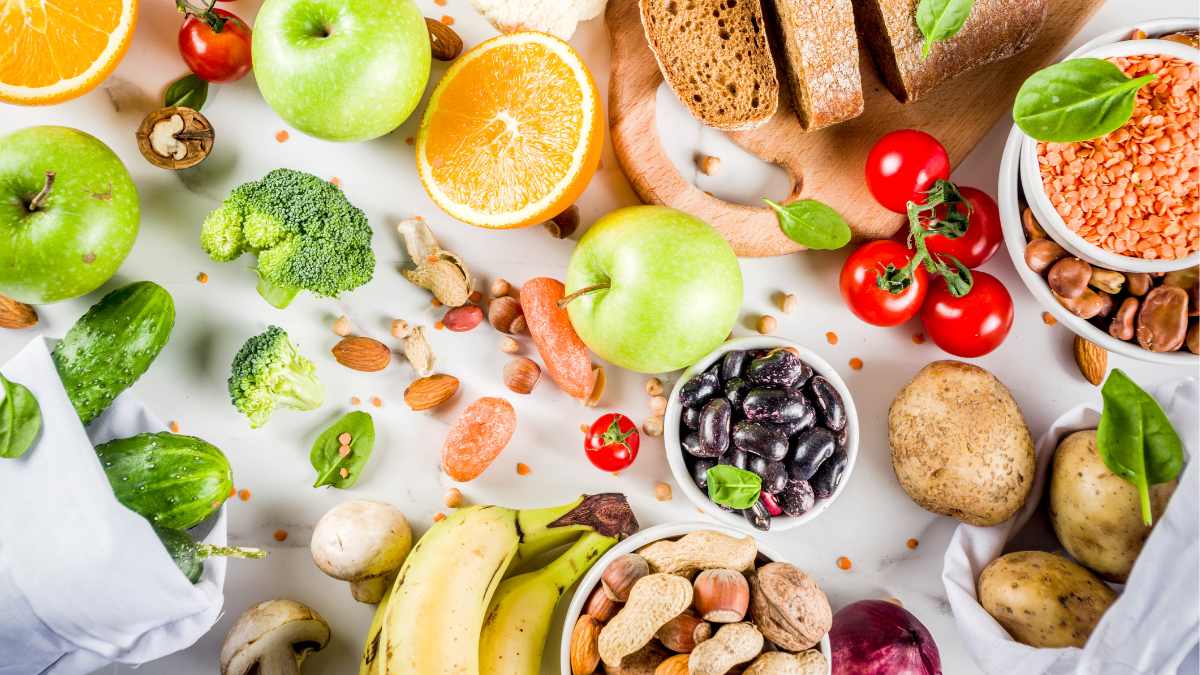
When comparing the nutritional profiles of plant-based foods and dairy products, several key differences emerge. Plant-based diets typically emphasize whole foods such as fruits, vegetables, legumes, nuts, and grains, which are rich in fiber, vitamins, and phytonutrients. These foods are often lower in calories and saturated fats, making them beneficial for weight management and overall health. In contrast, dairy products provide essential nutrients like calcium, vitamin D, and protein, which are crucial for bone health and muscle maintenance.
However, the bioavailability of these nutrients can vary significantly between plant-based and dairy sources. For instance, while dairy offers readily absorbable calcium, plant-based sources like leafy greens and fortified plant milks may contain compounds that inhibit calcium absorption. Additionally, dairy is a complete protein source, providing all nine essential amino acids, whereas many plant proteins are considered incomplete, necessitating a diverse intake to meet protein needs.
Moreover, the presence of lactose in dairy can pose challenges for individuals with lactose intolerance, leading to digestive discomfort. Conversely, plant-based alternatives are generally easier to digest and can be tailored to individual dietary requirements. This highlights the importance of understanding personal health needs when choosing between these dietary options.
Lastly, the nutritional adequacy of a diet is not solely determined by the presence of specific food groups but also by overall dietary patterns. A well-planned plant-based diet can meet all nutritional needs, while a poorly managed dairy-inclusive diet may lead to excess saturated fats and sugars. Thus, the effectiveness of either diet largely depends on the quality and variety of foods consumed.
Key Health Benefits of Plant-Based Diets Explored
Research indicates that adopting a plant-based diet can lead to numerous health benefits. One of the most significant advantages is the potential for reducing the risk of chronic diseases. Studies have shown that individuals following plant-based diets have lower incidences of heart disease, hypertension, type 2 diabetes, and certain cancers. This is often attributed to the high levels of antioxidants and anti-inflammatory compounds found in plant foods, which contribute to improved cardiovascular health.
Another notable benefit of plant-based diets is their positive impact on weight management. Plant foods are typically lower in calories and higher in fiber, promoting satiety and reducing overall caloric intake. This can be particularly advantageous for individuals looking to lose weight or maintain a healthy weight. Furthermore, the emphasis on whole foods over processed options can lead to better dietary habits and improved metabolic health.
Plant-based diets are also associated with enhanced mental well-being. Emerging research suggests that diets rich in fruits, vegetables, and whole grains may improve mood and cognitive function. The connection between nutrition and mental health is complex, but the anti-inflammatory properties of plant foods, along with their nutrient density, may play a crucial role in supporting brain health.
Lastly, the ethical and environmental considerations of plant-based diets cannot be overlooked. Many individuals choose plant-based eating not only for health reasons but also to minimize their ecological footprint. By reducing reliance on animal products, individuals can contribute to lower greenhouse gas emissions and decreased resource consumption, aligning their dietary choices with sustainable practices.
Nutritional Deficiencies: Risks of Dairy Alternatives
While plant-based diets offer numerous health benefits, they are not without potential risks, particularly concerning nutritional deficiencies. One of the most common concerns is the inadequate intake of vitamin B12, which is primarily found in animal products. Individuals following a strict plant-based diet must be vigilant about obtaining this essential nutrient through fortified foods or supplements to prevent deficiency, which can lead to anemia and neurological issues.
Calcium is another nutrient that may be lacking in a plant-based diet if not properly managed. While many plant-based foods contain calcium, the bioavailability of this mineral can be lower than in dairy products. To ensure adequate calcium intake, individuals should incorporate fortified plant milks, tofu, and leafy greens into their diets. However, it is crucial to balance these sources with other nutrients that support bone health, such as vitamin D and magnesium.
Additionally, omega-3 fatty acids, particularly EPA and DHA, are often under-consumed in plant-based diets. These essential fatty acids are predominantly found in fatty fish and are vital for heart and brain health. Plant sources, such as flaxseeds and walnuts, provide ALA, a precursor to EPA and DHA, but the conversion rate in the body is limited. Therefore, those on plant-based diets may consider algae-based supplements to ensure adequate omega-3 intake.
Lastly, iron absorption can also be a concern for individuals who eliminate dairy and other animal products from their diets. While plant sources of iron, such as legumes and leafy greens, are available, they contain non-heme iron, which is less readily absorbed by the body compared to heme iron from animal products. Consuming vitamin C-rich foods alongside iron sources can enhance absorption, but careful planning is essential to prevent deficiencies.
The Role of Gut Health in Plant-Based Diets
Gut health plays a pivotal role in overall well-being, and plant-based diets are often lauded for their positive effects on gut microbiota. The high fiber content in plant foods promotes the growth of beneficial gut bacteria, which can enhance digestion and improve immune function. A diverse microbiome is linked to various health benefits, including reduced inflammation and improved metabolic health, making a plant-based diet advantageous for gut health.
Moreover, the consumption of fermented plant-based foods, such as kimchi, sauerkraut, and kombucha, can further support gut health. These foods provide probiotics, which are live microorganisms that confer health benefits when consumed in adequate amounts. Incorporating these foods into a plant-based diet can enhance microbial diversity and improve gut function.
However, transitioning to a plant-based diet can initially lead to digestive discomfort for some individuals, particularly if fiber intake is significantly increased. Symptoms such as bloating and gas may occur as the gut microbiome adjusts to the higher fiber content. Gradually increasing fiber intake and ensuring adequate hydration can help mitigate these effects and promote a smoother transition.
Lastly, the gut-brain axis highlights the connection between gut health and mental well-being. Emerging research suggests that a healthy gut microbiome can influence mood and cognitive function, further underscoring the importance of dietary choices on mental health. By fostering a diverse and balanced gut microbiome, plant-based diets may contribute to improved mental clarity and emotional stability.
Environmental Impact: Plant-Based vs. Dairy Production
The environmental implications of dietary choices have garnered increasing attention, particularly in the context of climate change and sustainability. Plant-based diets are generally associated with a lower environmental footprint compared to dairy production. The resources required for livestock farming, including land, water, and feed, are significantly higher than those needed for growing plant-based foods. This disparity highlights the potential for plant-based diets to contribute to more sustainable food systems.
In terms of greenhouse gas emissions, dairy production is a major contributor, primarily due to methane emissions from ruminant animals. Studies indicate that shifting towards plant-based diets could substantially reduce overall emissions, making a compelling case for dietary changes as a strategy for mitigating climate change. Additionally, plant-based agriculture tends to require less energy and water, further emphasizing its environmental advantages.
However, it is essential to consider the sustainability of specific plant-based foods. Not all plant foods are created equal; for instance, the environmental impact of almond farming, which requires significant water resources, raises questions about the sustainability of certain plant-based alternatives. Therefore, choosing locally sourced and seasonal produce can enhance the environmental benefits of a plant-based diet.
Ultimately, the decision to adopt a plant-based diet not only impacts individual health but also has broader implications for environmental sustainability. By reducing reliance on resource-intensive animal products, individuals can contribute to a more sustainable food system, aligning their dietary choices with global efforts to combat climate change.
Conclusions: Evaluating Health Outcomes and Dietary Choices
In evaluating the health outcomes associated with plant-based and dairy-inclusive diets, it is clear that both options have their merits and challenges. Plant-based diets offer numerous health benefits, including reduced risks of chronic diseases, improved weight management, and positive effects on gut health. However, potential nutritional deficiencies must be carefully managed to ensure a well-rounded diet.
Conversely, dairy products provide essential nutrients that can support bone and muscle health, but they also come with concerns related to lactose intolerance and the environmental impact of dairy production. Ultimately, the choice between plant-based and dairy diets should be guided by individual health needs, preferences, and ethical considerations.
As the landscape of nutrition continues to evolve, ongoing research will further illuminate the complexities of dietary choices. Individuals are encouraged to seek personalized dietary advice and consider the broader implications of their food choices on health and the environment. By making informed decisions, individuals can optimize their health outcomes while contributing to a more sustainable future.
Read more
-
Harvard T.H. Chan School of Public Health – The Nutrition Source: Vegetarian Diets
- This resource provides an overview of vegetarian diets, including health benefits and nutritional considerations.
-
The American Journal of Clinical Nutrition – Health Effects of Vegetarian and Vegan Diets
- A comprehensive study examining the health impacts of vegetarian and vegan diets, highlighting their potential benefits and risks.
-
World Health Organization – Healthy Diet
- This fact sheet outlines the principles of a healthy diet and the importance of dietary choices for overall health.
-
Environmental Working Group – Meat Eater’s Guide to Climate Change and Health
- An insightful guide that details the environmental impact of meat and dairy production, encouraging more sustainable dietary choices.
-
National Institutes of Health – Nutritional Deficiencies in Plant-Based Diets
- A scholarly article discussing the potential nutritional deficiencies associated with plant-based diets and strategies for mitigation.