
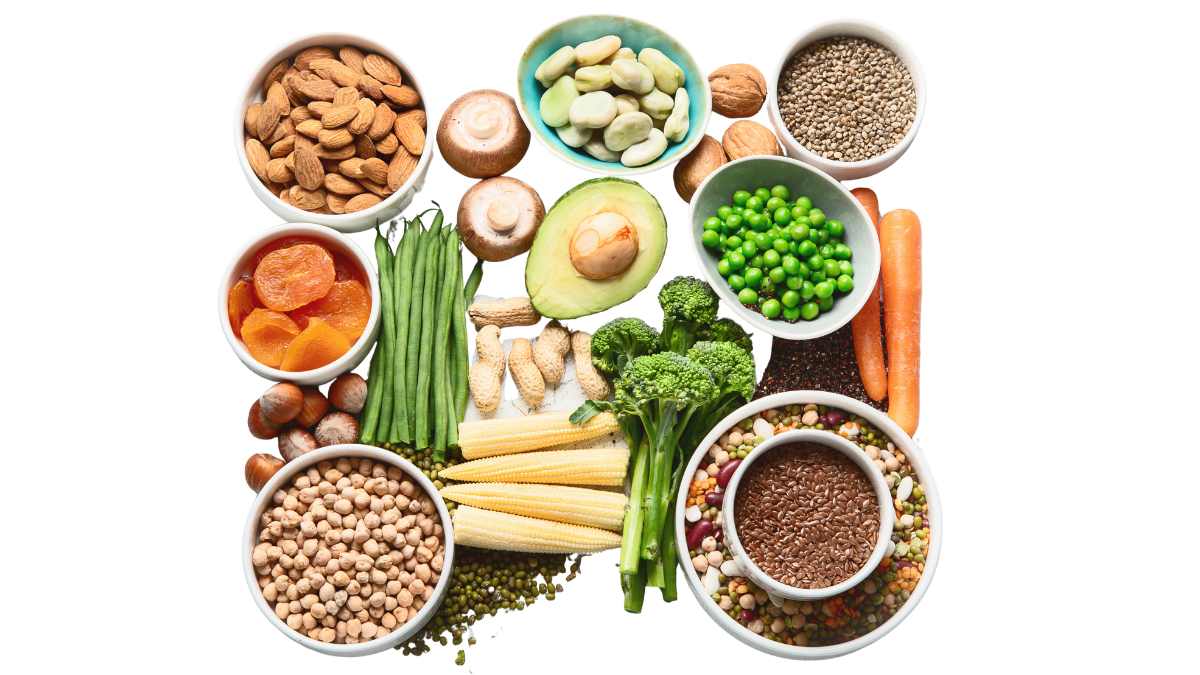

Introduction:
Rice is one of the most widely consumed staple foods in the world, serving as a primary source of nutrition for billions of people. As the global population continues to grow, the demand for sustainable food sources has increased, leading to a renewed interest in plant-based diets. This raises an important question: Is rice considered a plant-based food? In this article, we will explore the botanical classification of rice, its nutritional composition, cultivation practices, environmental impact, and its role in global diets, ultimately affirming its status as a plant-based food.
Understanding the Botanical Classification of Rice Plants
Rice, scientifically known as Oryza sativa, belongs to the family Poaceae, which is commonly referred to as the grass family. This classification places rice firmly within the category of monocotyledons, a group of flowering plants that also includes wheat, corn, and barley. The rice plant is characterized by its long, slender stems and narrow leaves, which are typical features of grasses.
The reproductive structures of rice plants are the flowers, which develop into grains upon fertilization. Each grain of rice is a seed, encapsulated in a hull, and is the primary edible part of the plant. This botanical classification underscores the fact that rice is indeed a plant-based food, as it is derived from a flowering plant and consists entirely of plant material.
In addition to its classification, rice plants thrive in specific ecological environments, predominantly in flooded fields known as paddies. This unique cultivation method not only supports the growth of rice but also highlights its adaptability to various climatic conditions, further emphasizing its role as a staple food in diverse cultures.
Furthermore, the genetic diversity within rice species contributes to its resilience and ability to grow in various environments. Breeding programs have developed numerous varieties of rice, each with unique characteristics suited to specific regions, which enhances its status as a versatile plant-based food source.
Nutritional Composition: Rice as a Plant-Based Food
Rice is primarily composed of carbohydrates, making it an excellent source of energy. A typical serving of cooked white rice contains approximately 28 grams of carbohydrates, which is essential for fueling the body’s metabolic processes. In addition to carbohydrates, rice provides a small amount of protein, with about 2.7 grams per serving, although it is not a complete protein source as it lacks certain essential amino acids.
The nutritional profile of rice varies depending on the type; for instance, brown rice retains its bran and germ layers, resulting in higher fiber content and essential nutrients compared to white rice. Brown rice contains approximately 3.5 grams of fiber per serving, which aids in digestion and helps maintain a healthy gut. This higher fiber content also contributes to a feeling of fullness, making it a beneficial option for those seeking to manage their weight.
Moreover, rice is a source of several vitamins and minerals, including B vitamins such as thiamine and niacin, which play crucial roles in energy metabolism. Additionally, rice contains important minerals like magnesium and phosphorus, essential for bone health and metabolic functions. These nutritional components reinforce the classification of rice as a plant-based food, providing essential nutrients for a balanced diet.
Despite its many benefits, it is important to note that rice should be consumed in moderation as part of a varied diet. Over-reliance on rice alone can lead to nutritional deficiencies, particularly in protein and certain vitamins. Therefore, while rice is a valuable plant-based food, it is best enjoyed alongside a diverse array of other plant-based foods to ensure optimal health.
Cultivation Practices: Rice Farming and Sustainability
Rice farming is a complex process that involves various cultivation practices, each aimed at maximizing yield while minimizing environmental impact. Traditional methods of rice cultivation often involve flooding fields, which helps control weeds and pests. However, this practice can also lead to significant water usage and potential depletion of local water resources.
In recent years, sustainable rice farming practices have gained traction. Techniques such as System of Rice Intensification (SRI) and alternate wetting and drying (AWD) have been developed to reduce water consumption and improve soil health. SRI, for instance, emphasizes planting fewer seedlings and allowing more space between them, which encourages deeper root growth and greater resilience to drought.
Organic rice farming is another sustainable approach that avoids synthetic fertilizers and pesticides, promoting biodiversity and soil health. By using natural methods such as crop rotation and cover cropping, organic rice farmers can enhance the sustainability of their practices while producing high-quality rice.
Despite these advancements, challenges remain in rice cultivation, including climate change and increasing pest resistance. Addressing these challenges requires ongoing research and innovation in agricultural practices to ensure that rice farming remains sustainable and can meet the growing global demand for this essential plant-based food.
Environmental Impact of Rice Production on Ecosystems
The environmental impact of rice production is a significant concern, particularly in relation to water usage and greenhouse gas emissions. Traditional flooded rice paddies can contribute to methane emissions, a potent greenhouse gas that exacerbates climate change. Methane is produced during the anaerobic decomposition of organic matter in waterlogged soils, and rice cultivation is one of the largest sources of anthropogenic methane emissions globally.
Efforts to mitigate these emissions are underway, with researchers exploring alternative cultivation methods that reduce water usage and promote aerobic soil conditions. For example, practices such as AWD have been shown to lower methane emissions while maintaining yields, offering a more sustainable approach to rice farming.
Additionally, rice cultivation can impact local ecosystems by altering water flow and affecting biodiversity. The conversion of wetlands into rice paddies can disrupt natural habitats and threaten native species. Sustainable farming practices that prioritize ecosystem health are essential to minimize these impacts and promote biodiversity.
In conclusion, while rice production poses certain environmental challenges, the adoption of sustainable practices can significantly reduce its ecological footprint. By focusing on innovative farming techniques and responsible water management, the rice industry can work towards a more sustainable future that protects both the environment and food security.
Comparing Rice to Other Plant-Based Food Sources
When comparing rice to other plant-based food sources, it is essential to consider factors such as nutritional value, versatility, and cultural significance. Rice is often favored for its high carbohydrate content, making it an excellent energy source. However, other grains, such as quinoa and barley, offer higher protein content and a more comprehensive amino acid profile.
Legumes, such as beans and lentils, are also noteworthy plant-based alternatives, providing significant protein and fiber. These foods can complement rice in a meal, creating a balanced dish that meets nutritional needs. For instance, combining rice and beans is a common practice in many cultures, resulting in a complete protein source that is both nutritious and satisfying.
In terms of versatility, rice holds a unique position in global cuisines. It can be prepared in numerous ways, from steamed and boiled to fried and baked. This adaptability allows rice to be incorporated into a wide range of dishes, making it a staple in many households around the world.
While rice is an essential plant-based food, it is crucial to recognize the value of diversifying one’s diet with other plant-based sources. Incorporating a variety of grains, legumes, fruits, and vegetables can enhance overall health and well-being, ensuring a balanced intake of nutrients.
The Role of Rice in Global Plant-Based Diets
Rice plays a pivotal role in global plant-based diets, particularly in regions where it is a staple food. In countries like China, India, and Indonesia, rice is a central component of daily meals, often served alongside vegetables, legumes, and proteins. Its cultural significance cannot be overstated, as rice is often associated with tradition, celebration, and community.
In addition to its cultural importance, rice is a critical food security resource. It provides a reliable source of calories for millions of people, particularly in developing nations where access to diverse food sources may be limited. As the global population continues to grow, rice will remain a vital component of food security strategies.
The rise of plant-based diets in recent years has further solidified rice’s position as a key food source. As more individuals adopt vegetarian or vegan lifestyles, rice serves as a versatile and affordable option that can be easily incorporated into various dishes. Its ability to pair well with a wide range of flavors and ingredients makes it an ideal choice for those seeking to diversify their meals.
Ultimately, rice’s role in global plant-based diets is multifaceted, encompassing nutritional, cultural, and economic dimensions. As the world continues to navigate challenges related to food security and sustainability, rice will undoubtedly remain a cornerstone of plant-based nutrition.
Conclusions:
In summary, rice is unequivocally a plant-based food, classified botanically as a member of the grass family and providing essential nutrients for millions worldwide. Its cultivation practices are evolving towards sustainability, addressing environmental concerns while maintaining its critical role in global diets. While rice offers numerous benefits, it is essential to consume it alongside other plant-based foods to ensure a balanced diet. As we move forward, rice will continue to be a staple food that nourishes populations and supports sustainable practices.
Read more:
- FAO – Rice and Food Security – An overview of rice’s role in global food security and nutrition.
- World Bank – Sustainable Rice Cultivation – Insights into sustainable practices in rice farming.
- USDA – Nutritional Composition of Rice – A comprehensive database on the nutritional content of various rice types.
- International Rice Research Institute (IRRI) – Research and resources on rice production and sustainability.
- Environmental Impact of Rice Production – A study discussing the environmental effects of rice cultivation and potential mitigation strategies.