

Se hai un abbonamento attivo ACCEDI QUI
Introduction to Satiety in Plant-Based Nutrition
Introduction: In recent years, plant-based diets have gained immense popularity, not only for their health benefits but also for their positive impact on the environment. One of the key concerns for individuals transitioning to a plant-based lifestyle is achieving satiation—the feeling of fullness that prevents overeating. Understanding the factors that contribute to satiety can help individuals make informed dietary choices that are both nutritious and satisfying.
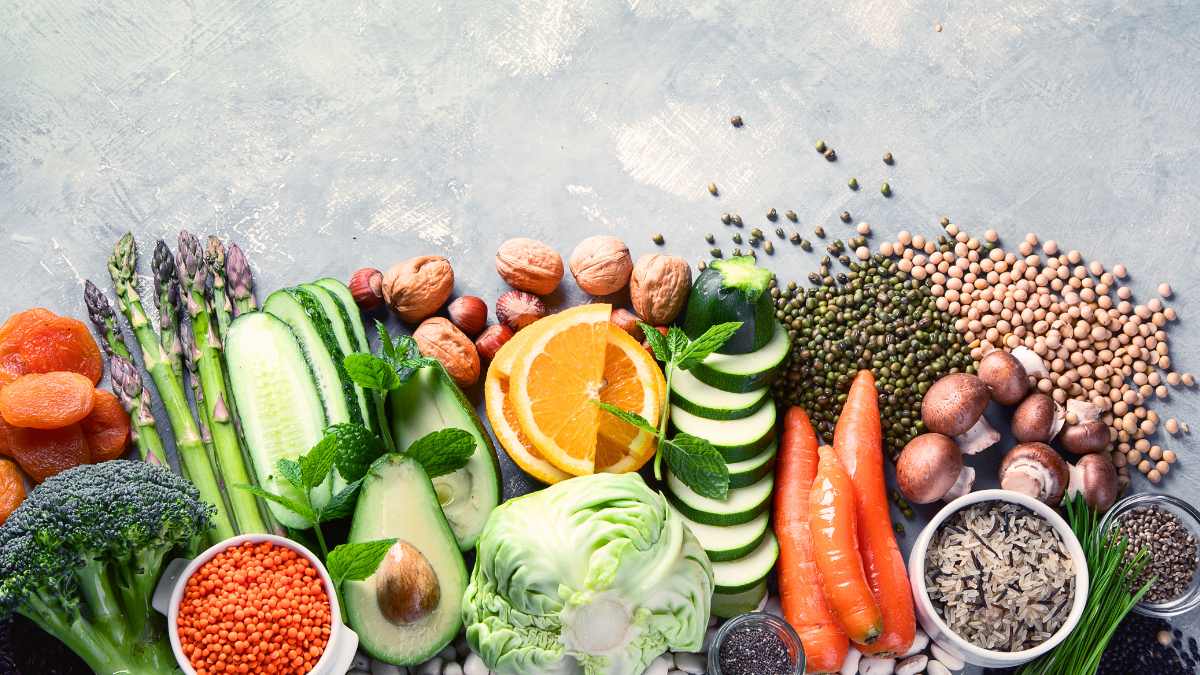
Satiety is influenced by a combination of nutritional components, including protein, fiber, and water content. These elements play a crucial role in how full we feel after consuming a meal. Plant-based foods often excel in these categories, making them effective at promoting fullness. The challenge lies in knowing which foods are the most filling and how to incorporate them into daily meals.
Moreover, the psychological aspects of eating, such as the enjoyment of flavors and textures, also contribute to how satisfied we feel after a meal. Plant-based diets offer a wide variety of foods that can satisfy both nutritional needs and sensory preferences. By focusing on specific food groups known for their satiating properties, individuals can better manage their hunger and maintain a balanced diet.
In this article, we will explore the most filling plant-based foods, emphasizing the nutritional components that enhance satiety. By understanding these elements, individuals can optimize their meals for maximum fullness, making their plant-based journey more enjoyable and sustainable.
Key Nutritional Components Influencing Fullness
To understand what makes certain plant-based foods more filling, it is essential to examine the key nutritional components that influence satiety. Protein is one of the most significant contributors to feelings of fullness. Foods high in protein tend to reduce hunger hormones and increase the production of satiety hormones, leading to a decreased desire to eat. Plant-based sources of protein, such as legumes, nuts, and seeds, can effectively fulfill this role.
Another crucial component is dietary fiber, which adds bulk to meals and slows down digestion. High-fiber foods promote a feeling of fullness by stretching the stomach and triggering signals to the brain that indicate satiety. Foods rich in fiber include whole grains, fruits, vegetables, and legumes, all of which are staples in a plant-based diet.
Water content also plays a vital role in satiety. Foods with high water content, such as fruits and vegetables, can help fill the stomach without adding excessive calories. This combination of fiber and water creates a sense of fullness that can prevent overeating.
Lastly, the energy density of foods—the number of calories per gram—affects how filling a food is. Foods that are low in energy density, such as leafy greens and non-starchy vegetables, can be consumed in larger quantities without significantly increasing caloric intake. This allows individuals to enjoy larger portions while still managing their weight effectively.
Legumes: A Powerhouse of Protein and Fiber
Legumes, including beans, lentils, and peas, are often regarded as a powerhouse of protein and fiber in plant-based nutrition. They are not only rich in protein but also provide an impressive amount of dietary fiber, making them exceptionally filling. For instance, a cup of cooked lentils contains approximately 18 grams of protein and 16 grams of fiber, which can significantly contribute to satiety.
In addition to their macronutrient profile, legumes are also packed with essential vitamins and minerals, such as iron, magnesium, and folate. These nutrients support overall health and can enhance the body’s ability to manage hunger effectively. Including legumes in meals can help stabilize blood sugar levels, further promoting a sense of fullness.
The versatility of legumes allows them to be incorporated into a variety of dishes, from soups and stews to salads and spreads. This adaptability makes it easier for individuals to enjoy their benefits without feeling restricted in their dietary choices.
Moreover, the low glycemic index of many legumes means they release energy slowly, providing sustained fullness and energy over time. This characteristic makes legumes an ideal choice for those looking to maintain their energy levels throughout the day while avoiding the peaks and troughs associated with high-sugar foods.
Whole Grains: Sustained Energy and Satiety
Whole grains, such as brown rice, quinoa, oats, and barley, are another essential component of a filling plant-based diet. These grains are rich in complex carbohydrates, which provide a steady source of energy and contribute to feelings of fullness. Unlike refined grains, whole grains retain their bran and germ, which are rich in fiber and nutrients.
The high fiber content in whole grains slows down digestion, leading to prolonged satiety. For example, a serving of quinoa contains about 5 grams of fiber and is also a complete protein, making it an excellent choice for those seeking filling plant-based options. The combination of fiber and protein in whole grains helps regulate appetite and prevents overeating.
In addition to their satiating properties, whole grains are also beneficial for digestive health. The fiber they contain supports a healthy gut microbiome, which can influence hunger hormones and overall appetite regulation. A healthy gut can lead to improved nutrient absorption and better management of cravings.
Incorporating a variety of whole grains into meals can enhance the overall nutrient profile of a diet while promoting fullness. Whether enjoyed as a base for salads, added to soups, or consumed as a breakfast option, whole grains are a versatile and satisfying addition to any plant-based meal plan.
Vegetables and Fruits: Volume and Nutrient Density
Vegetables and fruits are often considered the cornerstones of a healthy plant-based diet, primarily due to their volume and nutrient density. These foods are typically low in calories but high in water and fiber, allowing individuals to consume larger portions without significantly increasing caloric intake. This characteristic makes them incredibly filling and an excellent choice for those looking to manage their weight.
Leafy greens, such as spinach and kale, are particularly effective at promoting satiety. They are low in calories but high in fiber and water, making them ideal for adding volume to meals. Incorporating a variety of colorful vegetables into dishes not only enhances the visual appeal but also ensures a diverse intake of vitamins, minerals, and antioxidants.
Fruits, especially those with high water content like watermelon, oranges, and berries, can also contribute to feelings of fullness. The natural sugars in fruits provide a sweet taste that can satisfy cravings without the need for added sugars. Additionally, the fiber in fruits helps slow digestion and promotes a gradual release of energy, further enhancing satiety.
To maximize the filling potential of vegetables and fruits, it is beneficial to consume them in their whole form rather than as juices or smoothies. Whole foods retain their fiber and water content, which are crucial for promoting fullness. Including a variety of these foods in daily meals can help individuals feel satisfied while also providing essential nutrients for overall health.
Conclusions: Strategies for Maximizing Plant-Based Fullness
In conclusion, achieving satiety on a plant-based diet involves understanding the nutritional components that contribute to fullness. By focusing on foods that are rich in protein, fiber, and water content, individuals can create satisfying meals that prevent overeating. Legumes, whole grains, vegetables, and fruits are all excellent choices that can be easily incorporated into a variety of dishes.
To maximize fullness, consider combining different food groups in meals. For example, a hearty salad with mixed greens, beans, quinoa, and a variety of colorful vegetables can provide a balanced mix of nutrients while promoting satiety. Additionally, planning meals that include snacks rich in protein and fiber can help manage hunger throughout the day.
It is also essential to listen to the body’s hunger cues and practice mindful eating. Taking the time to savor meals and recognize feelings of fullness can help prevent overeating and promote a healthier relationship with food.
By implementing these strategies and focusing on filling plant-based foods, individuals can enjoy a satisfying and nutritious diet that supports their health and well-being.
Read more
-
The Role of Protein in Satiety – This article discusses the impact of protein on satiety and its implications for dietary choices.
-
Dietary Fiber and Its Role in Satiety – A comprehensive review of how dietary fiber influences feelings of fullness and overall health.
-
Plant-Based Diets and Weight Management – An exploration of the effects of plant-based diets on weight management and satiety.
-
The Benefits of Whole Grains – A resource detailing the health benefits of whole grains, including their role in promoting fullness.
-
Mindful Eating and Its Impact on Satiety – This article examines the concept of mindful eating and its effects on hunger and satiety.