

Introduction:
The gut microbiome, a complex community of microorganisms residing in our digestive tract, plays a crucial role in our overall health. As more individuals adopt vegan diets, understanding the implications of this dietary shift on gut health becomes increasingly important. This article explores the multifaceted relationship between a vegan diet and gut health, examining the changes that occur in the gut microbiome, the short-term and long-term adaptations, potential challenges faced by new vegans, and strategies to support gut health during this transition.
Understanding the Gut Microbiome: A Brief Overview
The gut microbiome consists of trillions of microorganisms, including bacteria, viruses, fungi, and archaea. These microbes are essential for digestion, metabolism, and immune function. They help break down complex carbohydrates, synthesize essential vitamins, and protect against pathogens. The diversity and composition of the gut microbiome can significantly influence an individual’s health, affecting everything from weight management to mental well-being.
The gut microbiome is influenced by various factors, including diet, lifestyle, age, and environment. A diverse microbiome is generally associated with better health outcomes, while a less diverse microbiome can lead to various health issues, such as obesity, diabetes, and inflammatory bowel disease. Therefore, dietary choices, particularly the shift to a vegan diet, can have profound effects on the composition and function of gut microbes.
Research indicates that the microbiome can adapt relatively quickly to dietary changes. This adaptability is crucial for understanding how a vegan diet can influence gut health. As individuals eliminate animal products and increase their intake of plant-based foods, the types of bacteria that thrive in their gut may shift dramatically. These changes can lead to both beneficial and challenging outcomes, depending on the individual’s previous dietary habits and the specific foods consumed in their new diet.
In summary, the gut microbiome is a dynamic ecosystem that responds to dietary changes. Understanding its structure and function provides a foundation for exploring how transitioning to a vegan diet impacts gut health. The next sections will delve into the specific effects of a vegan diet on microbial diversity and gut function.
The Impact of Vegan Diet on Gut Microbial Diversity
Transitioning to a vegan diet is often associated with an increase in microbial diversity. Plant-based diets are rich in fiber, which serves as a substrate for beneficial gut bacteria. Increased fiber intake promotes the growth of specific bacterial species that thrive on plant polysaccharides, leading to a more diverse and balanced microbiome. This diversity is crucial for maintaining gut health and preventing the overgrowth of harmful bacteria.
Studies have shown that vegans tend to have higher levels of beneficial bacteria, such as Bifidobacterium and Lactobacillus, which are linked to improved gut health and immune function. These bacteria contribute to the fermentation of dietary fibers, producing short-chain fatty acids (SCFAs) that have anti-inflammatory properties and support gut barrier integrity. Higher SCFA levels are associated with a reduced risk of gastrointestinal disorders and enhanced metabolic health.
Moreover, a vegan diet can lead to a decrease in pathogenic bacteria that thrive on animal products. This shift can help mitigate the risk of infections and inflammation in the gut. The reduction of certain harmful bacteria, combined with the increase in beneficial species, creates a more favorable environment for gut health, potentially leading to improved digestion and nutrient absorption.
In conclusion, adopting a vegan diet can significantly enhance gut microbial diversity, promoting the growth of beneficial bacteria while reducing harmful species. This shift is essential for overall gut health and provides a foundation for the long-term benefits associated with plant-based eating.
Short-Term Adaptations: Initial Changes in Gut Function
When individuals first transition to a vegan diet, they may experience several short-term adaptations in gut function. These changes can include alterations in digestion, bowel habits, and overall gastrointestinal comfort. Initially, the increase in dietary fiber can lead to symptoms such as bloating, gas, and changes in stool consistency. These symptoms are often a result of the gut microbiome adjusting to the new diet and the increased fermentation of fiber.
As the gut microbiome adapts, many individuals may notice improvements in bowel regularity. A plant-based diet typically results in more frequent and softer stools due to the high fiber content. This can be beneficial for those who previously experienced constipation or irregular bowel movements. However, it is essential to gradually increase fiber intake to allow the gut to adjust and minimize discomfort.
Additionally, the transition to a vegan diet may affect nutrient absorption. Some individuals may initially struggle with absorbing certain nutrients, such as iron and vitamin B12, which are more readily available in animal products. This can lead to feelings of fatigue or decreased energy levels. It is crucial for new vegans to be aware of these potential deficiencies and to seek alternative sources or supplements to ensure adequate nutrient intake.
Overall, while the short-term adaptations to a vegan diet can present challenges, they are often temporary. As the gut microbiome adjusts, many individuals experience improved digestive health and increased energy levels. Understanding these initial changes can help new vegans navigate their dietary transition more effectively.
Long-Term Benefits: Enhanced Gut Health and Immunity
Over time, the long-term benefits of a vegan diet on gut health become increasingly apparent. Research indicates that individuals who maintain a plant-based diet tend to experience enhanced gut health and improved immune function. The sustained increase in dietary fiber leads to a more stable and diverse microbiome, which is associated with lower levels of inflammation and a reduced risk of chronic diseases.
One significant long-term benefit is the production of short-chain fatty acids (SCFAs), such as butyrate, which are crucial for gut health. SCFAs serve as an energy source for colon cells, promote gut barrier integrity, and exert anti-inflammatory effects. A healthy gut barrier is essential for preventing conditions such as leaky gut syndrome, which can contribute to systemic inflammation and autoimmune diseases.
Moreover, a diverse microbiome supports a robust immune system. The gut is home to a large portion of the body’s immune cells, and a healthy microbiome can enhance the production of these cells, improving the body’s ability to respond to pathogens. Studies have shown that individuals with a diverse gut microbiome are less susceptible to infections and may have a lower risk of developing autoimmune conditions.
In summary, the long-term benefits of a vegan diet extend beyond gut health to encompass overall wellness. By promoting a diverse microbiome and enhancing immune function, a plant-based diet can contribute to a healthier and more resilient body. These benefits underscore the importance of dietary choices in shaping our health outcomes over time.
Potential Challenges: Digestive Issues in New Vegans
Despite the numerous benefits associated with a vegan diet, new vegans may encounter several digestive challenges during their transition. One of the most common issues is gastrointestinal discomfort, including bloating, gas, and diarrhea. These symptoms often arise from the sudden increase in fiber intake and the introduction of new foods that the digestive system may not be accustomed to processing.
Another challenge is the potential for nutrient deficiencies, particularly in vitamins and minerals that are abundant in animal products. New vegans may struggle to obtain sufficient levels of vitamin B12, iron, calcium, and omega-3 fatty acids. Deficiencies in these nutrients can lead to fatigue, anemia, and other health issues. It is essential for individuals transitioning to a vegan diet to educate themselves about alternative sources of these nutrients and consider supplementation if necessary.
Additionally, some individuals may experience changes in their appetite and cravings as they adjust to a vegan diet. The shift away from familiar foods can lead to feelings of deprivation, which may result in overeating or unhealthy snacking on processed vegan foods. It is crucial for new vegans to focus on whole, nutrient-dense foods to support their health and well-being.
In conclusion, while the transition to a vegan diet can present challenges, being aware of potential digestive issues and nutrient deficiencies can help individuals navigate this dietary shift more effectively. With proper planning and education, many of these challenges can be mitigated, allowing for a smoother transition to a healthier lifestyle.
Strategies for Supporting Gut Health During Transition
To support gut health during the transition to a vegan diet, individuals can implement several strategies that promote digestive comfort and microbiome diversity. First and foremost, it is essential to gradually increase fiber intake. This approach allows the gut microbiome to adjust more comfortably, reducing the likelihood of gastrointestinal discomfort. Starting with small portions of high-fiber foods and gradually increasing them can help ease the transition.
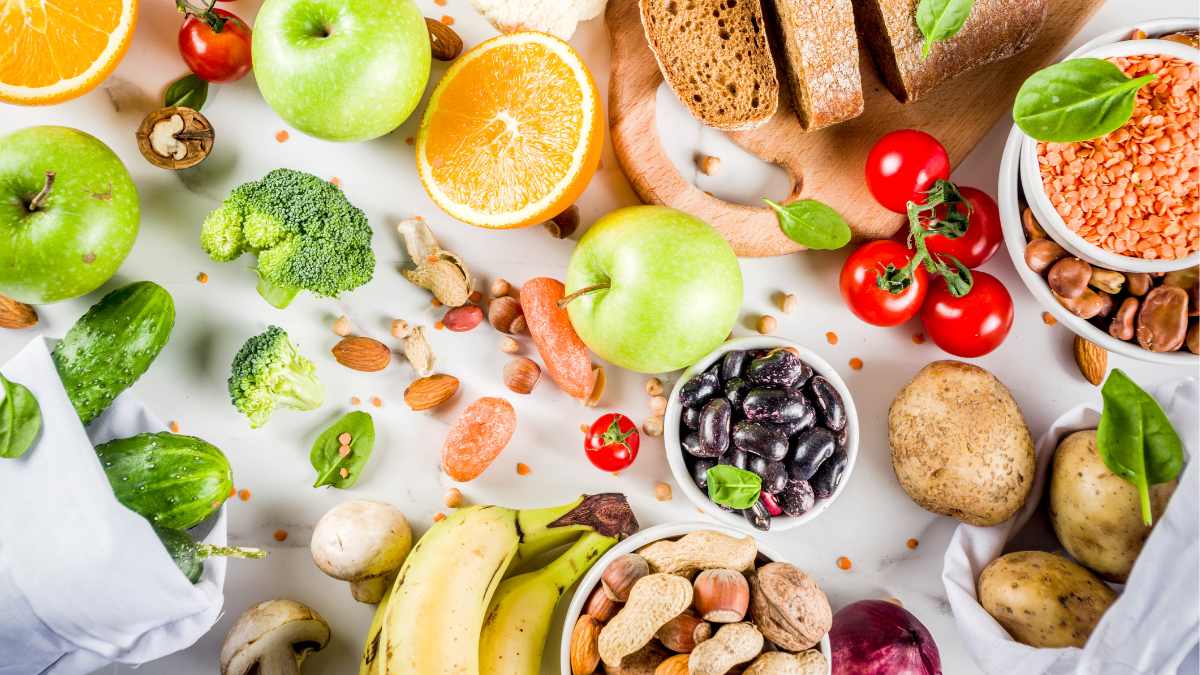
Incorporating a variety of plant-based foods is also crucial for promoting microbial diversity. A diverse diet rich in fruits, vegetables, whole grains, legumes, nuts, and seeds provides a wide range of nutrients and fiber types that nourish different gut bacteria. This diversity not only supports gut health but also enhances overall nutrient intake.
Staying hydrated is another important aspect of maintaining gut health during the transition. Adequate water intake helps facilitate digestion and prevents constipation, especially when increasing fiber consumption. Herbal teas and broths can also be beneficial for hydration and digestive comfort.
Finally, considering the use of probiotics and prebiotics can further support gut health. Probiotics are beneficial bacteria that can help restore balance in the gut microbiome, while prebiotics are non-digestible fibers that feed these beneficial bacteria. Incorporating fermented foods such as sauerkraut, kimchi, and plant-based yogurts can provide additional support for gut health during the transition to a vegan diet.
In summary, adopting a vegan diet can be a transformative experience for gut health. By implementing strategies to support digestion and microbiome diversity, individuals can navigate this transition more smoothly and enjoy the long-term benefits of a plant-based lifestyle.
Conclusions:
The transition to a vegan diet can have profound effects on the gut microbiome and overall health. While individuals may experience short-term challenges, the long-term benefits of enhanced gut health, increased microbial diversity, and improved immune function are significant. By understanding the dynamics of the gut microbiome and implementing strategies to support digestive health, new vegans can successfully navigate this dietary shift and reap the rewards of a plant-based lifestyle.
Read more:
- The Human Microbiome: A Key to Health – An overview of the gut microbiome and its impact on health.
- Plant-Based Diets and Gut Microbiota – A study on the effects of plant-based diets on gut microbiota diversity.
- The Role of Fiber in Gut Health – Insights into how dietary fiber influences gut health.
- Nutritional Deficiencies in Vegan Diets – A comprehensive review of potential nutrient deficiencies in vegan diets.
- Probiotics and Prebiotics: A Guide – An exploration of probiotics and prebiotics and their benefits for gut health.