

Se hai un abbonamento attivo ACCEDI QUI
Introduction:
In recent years, the terms "vegan" and "plant-based" have gained significant traction, often used interchangeably in popular discourse. However, a closer examination reveals that these two concepts, while related, embody distinct philosophies and practices regarding diet and lifestyle. Understanding the nuances between veganism and a plant-based diet is essential for anyone looking to make informed choices about their eating habits and lifestyle. This article will explore the definitions, philosophical differences, nutritional aspects, environmental impacts, ethical considerations, and practical implications of both terms.
Understanding the Definitions of Vegan and Plant-Based Diets
To begin with, veganism is defined as a lifestyle that seeks to exclude all forms of animal exploitation and cruelty, whether for food, clothing, or any other purpose. This encompasses not only dietary choices but also extends to the use of animal-derived products in cosmetics, household items, and entertainment. The vegan diet is characterized by the exclusion of all animal products, including meat, dairy, eggs, and honey.
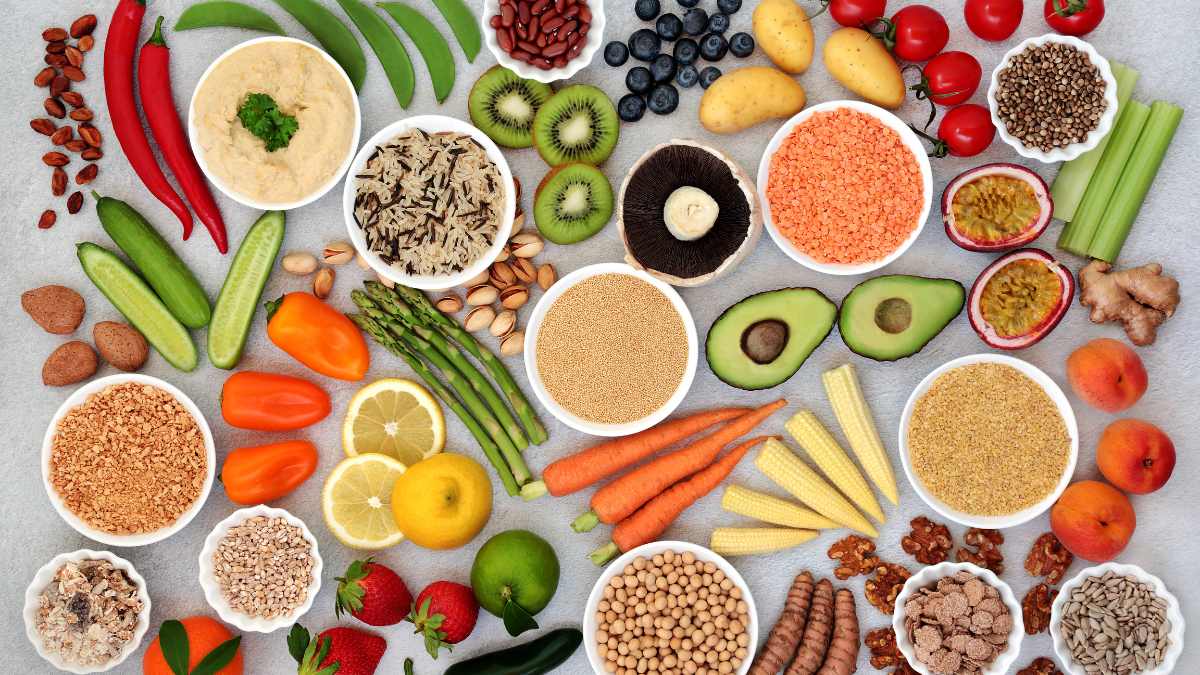
In contrast, a plant-based diet primarily focuses on the consumption of foods derived from plants. This includes vegetables, fruits, grains, nuts, seeds, and legumes. While a plant-based diet often excludes animal products, it does not necessarily embody the ethical and philosophical commitments associated with veganism. Some individuals may adopt a plant-based diet for health reasons, without a broader commitment to avoiding animal exploitation.
The distinction between these two terms can sometimes lead to confusion, especially in marketing and food labeling. Many products labeled as "plant-based" may still contain ingredients that are not vegan, such as refined sugars processed with bone char or certain additives derived from animals. Therefore, it is crucial for consumers to read labels carefully and understand the implications of these terms.
Ultimately, while both vegan and plant-based diets emphasize the consumption of plant foods, the motivations and implications behind each can vary significantly. Recognizing these differences is the first step towards making informed dietary choices.
Key Philosophical Differences Between Veganism and Plant-Based
The philosophical underpinnings of veganism are rooted in a commitment to animal rights and ethical considerations. Vegans advocate for the intrinsic value of all living beings, arguing that animals have the right to live free from human exploitation and suffering. This ethical stance drives many vegans to adopt a lifestyle that seeks to minimize harm to animals in all aspects of life, not just diet.
On the other hand, individuals who follow a plant-based diet may prioritize health and wellness over ethical considerations. Many people choose this dietary approach to improve their health, manage weight, or reduce the risk of chronic diseases. While they may still avoid animal products, their motivations do not necessarily stem from a desire to promote animal rights or welfare.
This divergence in philosophy also influences how adherents of each approach engage with the broader issues of sustainability and environmentalism. While many vegans are motivated by the ecological impacts of animal agriculture, those on a plant-based diet may focus primarily on the health benefits of consuming more plant foods. This can lead to different priorities when it comes to food sourcing, such as the emphasis on organic or local produce.
In summary, the philosophical differences between veganism and a plant-based diet are significant. While both approaches advocate for increased plant consumption, their underlying motivations—ethical versus health-focused—shape the way individuals engage with their food choices and lifestyle.
Nutritional Aspects: Vegan vs. Plant-Based Diets Explained
When it comes to nutrition, both vegan and plant-based diets can offer a wealth of health benefits, but they can also present challenges. A well-planned vegan diet can provide all the essential nutrients needed for optimal health, including protein, iron, calcium, and vitamins B12 and D. However, it requires careful consideration to ensure that individuals are meeting their nutritional needs, particularly for nutrients that are predominantly found in animal products.
In contrast, a plant-based diet may allow for greater flexibility in food choices, as it can include a wider variety of foods that may not be strictly vegan. For instance, some individuals may incorporate small amounts of animal products, such as dairy or fish, while still emphasizing plant foods. This flexibility can make it easier to meet nutritional requirements without the strict limitations of a vegan diet.
However, both diets can be deficient in certain nutrients if not carefully managed. For example, vitamin B12, which is crucial for nerve function and blood cell production, is primarily found in animal products. Vegans must rely on fortified foods or supplements to meet their B12 needs, while those on a plant-based diet may have more leeway if they consume dairy or eggs.
Ultimately, the nutritional differences between vegan and plant-based diets largely depend on individual choices and planning. Both diets can be healthful and nutritionally adequate, but they require awareness and education to ensure that all dietary needs are met.
Environmental Impact: Veganism Compared to Plant-Based Choices
The environmental implications of dietary choices are increasingly coming to the forefront of public discourse. Both vegan and plant-based diets are generally considered to have a lower environmental impact compared to omnivorous diets, particularly in terms of greenhouse gas emissions, land use, and water consumption. However, the extent of this impact can vary significantly based on individual food choices.
Vegans often emphasize the importance of reducing animal agriculture’s environmental footprint. Studies have shown that transitioning to a vegan diet can lead to substantial reductions in carbon emissions, as livestock farming is a major contributor to greenhouse gases. By eliminating all animal products, vegans aim to minimize their ecological footprint and promote sustainable food systems.
On the other hand, those following a plant-based diet may not always prioritize sustainability in the same way. While they may consume fewer animal products, their choices can still include items with a high environmental cost, such as processed foods, palm oil, or foods that require extensive water resources to grow. Thus, the environmental impact of a plant-based diet can vary widely depending on the specific foods consumed.
In conclusion, while both diets can contribute to environmental sustainability, veganism typically aligns more closely with ecological advocacy. The environmental benefits of a plant-based diet depend on the individual’s food choices and their awareness of the broader implications of those choices.
Ethical Considerations in Veganism and Plant-Based Living
Ethics play a central role in the philosophy of veganism, where the primary concern is the welfare of animals and the rejection of their exploitation. Vegans advocate for a world where animals are not treated as commodities and where their rights are respected. This ethical stance extends beyond diet to encompass all aspects of life, influencing choices related to clothing, cosmetics, and entertainment.
Conversely, ethical considerations in a plant-based diet often revolve around health and personal well-being rather than animal rights. While some individuals may adopt a plant-based diet for ethical reasons, many do so primarily for health benefits. This can lead to a more flexible approach to food choices, where the ethical implications of consuming certain foods may not be as rigorously examined.
Moreover, the ethical implications of food sourcing can differ significantly between the two approaches. Vegans may prioritize ethical sourcing and production methods, seeking out products that align with their values. Plant-based eaters, however, may focus more on the healthfulness of the food rather than its ethical implications, potentially leading to a disconnect between their dietary choices and broader ethical considerations.
In summary, ethical considerations are a defining feature of veganism, while they may be secondary in a plant-based diet. Understanding these differences can help individuals align their dietary choices with their values and beliefs.
Practical Implications: Food Choices and Lifestyle Variations
When it comes to practical implications, the food choices available to vegans and those following a plant-based diet can differ significantly. Vegans must navigate a landscape of products that are free from animal-derived ingredients, which can be challenging in a world where many processed foods contain hidden animal products. This often requires a commitment to reading labels and researching brands to ensure compliance with their ethical standards.
In contrast, individuals following a plant-based diet may have more flexibility in their food choices. They can incorporate a range of foods, including some animal products, which can make meal planning and preparation more manageable. This flexibility can also lead to a more varied diet, allowing for the inclusion of foods that may be nutritionally beneficial.
Social situations can also present challenges for both groups. Vegans may find it difficult to find suitable dining options in restaurants or at social gatherings, as many establishments may not offer vegan-friendly choices. Plant-based eaters may have an easier time navigating these situations, as they can opt for vegetarian or even some omnivorous options that align with their dietary preferences.
Ultimately, the practical implications of food choices and lifestyle variations can significantly impact the overall experience of adhering to either a vegan or plant-based diet. Understanding these differences can help individuals make informed decisions that align with their dietary goals and social circumstances.
Conclusions:
In summary, while veganism and a plant-based diet share a common emphasis on plant foods, they diverge significantly in their definitions, motivations, and practical implications. Veganism is rooted in ethical considerations regarding animal rights, while a plant-based diet often prioritizes health and wellness. Nutritionally, both diets can offer health benefits, but they require careful planning to ensure that all dietary needs are met. Environmentally, veganism typically aligns more closely with sustainability efforts, while the impact of a plant-based diet can vary based on individual food choices. Ultimately, understanding these distinctions can empower individuals to make informed choices that resonate with their values and lifestyle.
Read more
-
The Vegan Society – A comprehensive resource on veganism, including definitions, ethical considerations, and nutritional information.
-
Plant-Based Diets: A Healthier Choice – An article from Harvard Health discussing the health benefits of plant-based diets and practical tips for implementation.
-
The Environmental Impact of Animal Agriculture – A detailed report on how animal agriculture affects the environment and the benefits of reducing animal product consumption.
-
Nutritional Considerations for Vegan Diets – A resource from the Academy of Nutrition and Dietetics outlining essential nutrients and tips for maintaining a balanced vegan diet.
-
Ethical Veganism: A Guide – PETA’s guide to understanding ethical veganism, its principles, and its implications for lifestyle choices.