
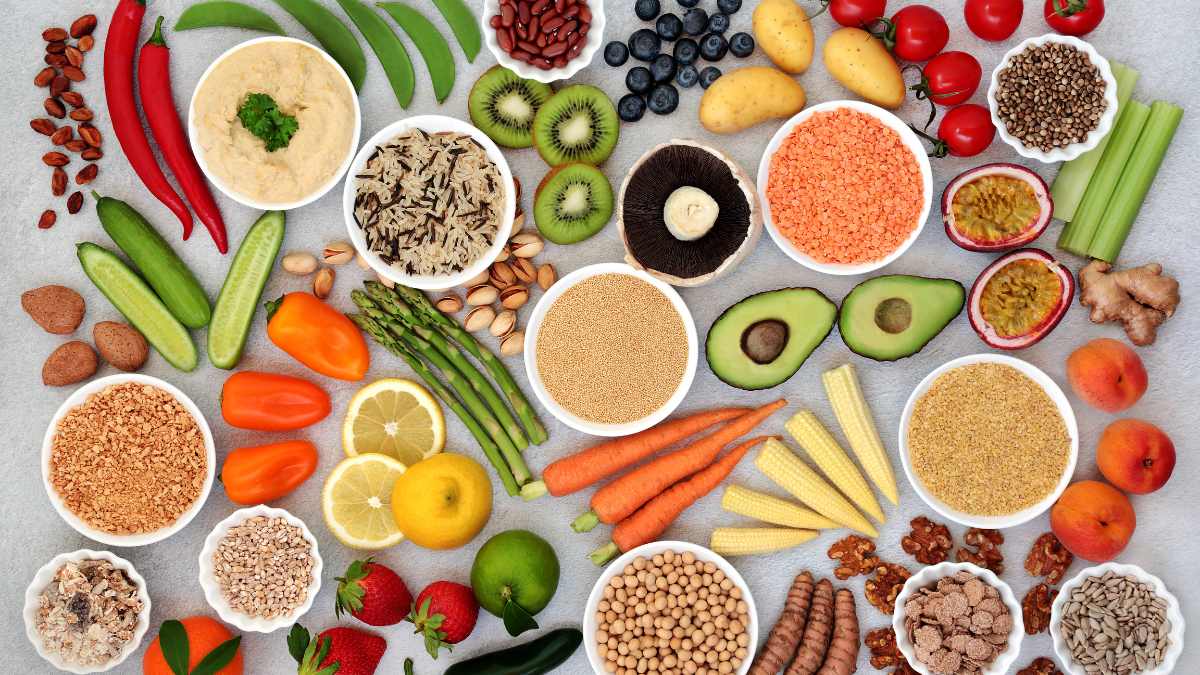

Introduction:
In recent years, the emphasis on plant-based diets has surged, leading many to explore the nutritional benefits of vegetables beyond their traditional roles. While vegetables are often celebrated for their vitamins, minerals, and fiber, the protein content in these foods is frequently overlooked. Understanding which vegetables are highest in protein can significantly benefit those seeking to enhance their dietary intake, particularly for vegetarians and vegans. This article delves into the protein content of various vegetables, their nutritional importance, and practical ways to incorporate them into daily meals.
Understanding Protein Content in Vegetables: An Overview
Protein is a fundamental macronutrient essential for numerous bodily functions, including muscle repair, immune function, and hormone production. While animal products are typically viewed as the primary sources of protein, many vegetables also contribute significantly to daily protein needs. Plant-based proteins often come with additional benefits, such as lower levels of saturated fat and higher fiber content, making them an attractive option for health-conscious individuals.
The protein content in vegetables varies widely, and understanding this variability is crucial for those looking to optimize their diets. Generally, legumes, leafy greens, and cruciferous vegetables tend to be higher in protein compared to other types. However, it’s important to note that the protein in vegetables is often considered "incomplete," meaning they may lack one or more essential amino acids. Combining different protein sources can help mitigate this issue.
Incorporating a variety of high-protein vegetables into one’s diet can enhance overall nutritional intake. This is particularly relevant for individuals following vegetarian or vegan diets, where protein sources may be limited. By focusing on vegetables that are rich in protein, individuals can ensure they meet their daily protein requirements while enjoying a diverse array of flavors and textures.
Moreover, understanding the protein content in vegetables can aid in meal planning and preparation. By selecting vegetables with higher protein levels, individuals can create balanced meals that support their health and fitness goals. This knowledge empowers consumers to make informed choices about their diets, ultimately leading to improved health outcomes.
Nutritional Importance of Protein in Plant-Based Diets
In a plant-based diet, protein plays a pivotal role in maintaining muscle mass, promoting satiety, and supporting metabolic processes. For individuals who do not consume animal products, it becomes essential to identify alternative protein sources that can fulfill their dietary needs. High-protein vegetables can serve as a key component in achieving adequate protein intake while also providing a host of other nutrients.
Protein is crucial for the repair and growth of tissues, making it particularly important for active individuals and athletes. Consuming sufficient protein can help prevent muscle loss during weight loss or aging, making it a vital nutrient for various demographics. Incorporating protein-rich vegetables into meals can help individuals meet their protein requirements without relying solely on supplements or animal products.
In addition to muscle health, protein plays a significant role in regulating appetite and promoting feelings of fullness. This can be particularly beneficial for those looking to manage their weight. By including high-protein vegetables in meals, individuals can enhance satiety and reduce the likelihood of overeating, contributing to healthier eating patterns.
Furthermore, the consumption of protein-rich vegetables can provide a range of vitamins, minerals, and antioxidants that support overall health. Many high-protein vegetables are also rich in fiber, which aids digestion and promotes gut health. This combination of nutrients can enhance the overall quality of a plant-based diet, making it not only nutritionally adequate but also beneficial for long-term health.
Top Vegetables with High Protein Content: A Comparative Analysis
When assessing the protein content of vegetables, it is essential to compare them based on their protein density per serving. Some of the top contenders include edamame, lentils, chickpeas, and spinach. Edamame, for instance, contains approximately 18.5 grams of protein per cup when cooked, making it one of the highest protein vegetables available. This legume is not only rich in protein but also provides essential amino acids, making it a complete protein source.
Lentils and chickpeas, while technically legumes, are often included in discussions about high-protein vegetables due to their widespread use in plant-based diets. Lentils offer about 18 grams of protein per cooked cup, while chickpeas provide around 15 grams. Both are versatile ingredients that can be incorporated into various dishes, from salads to stews, enhancing both flavor and nutritional value.
Among leafy greens, spinach stands out with approximately 5 grams of protein per cooked cup. While this may seem modest compared to legumes, spinach is packed with other nutrients, including iron and calcium, making it a valuable addition to any diet. Other leafy greens such as kale and Swiss chard also provide notable protein content, contributing to a well-rounded intake.
Cruciferous vegetables like broccoli and Brussels sprouts are also worthy of mention, with broccoli containing about 4 grams of protein per cup when cooked. These vegetables are not only rich in protein but also provide a wealth of vitamins, minerals, and phytochemicals that support overall health. By incorporating a variety of these high-protein vegetables, individuals can boost their protein intake while enjoying a colorful and diverse plate.
Detailed Nutritional Profiles of Protein-Rich Vegetables
Understanding the nutritional profiles of high-protein vegetables can help individuals make informed dietary choices. For instance, edamame is not only high in protein but also rich in fiber, antioxidants, and vitamins A and C. This combination of nutrients supports overall health and can aid in disease prevention. Additionally, the presence of healthy fats in edamame contributes to heart health.
Lentils are another powerhouse, providing not only protein but also significant amounts of iron, folate, and potassium. These nutrients are essential for maintaining energy levels and supporting cardiovascular health. The high fiber content in lentils also promotes digestive health, making them an excellent option for those seeking to improve gut function.
Chickpeas, often enjoyed in the form of hummus or salads, are rich in protein and fiber, making them a filling addition to meals. They also provide important micronutrients such as manganese, magnesium, and vitamin B6, which are crucial for metabolic processes. The versatility of chickpeas allows for their incorporation into various cuisines, enhancing both flavor and nutrition.
Spinach, while lower in protein compared to legumes, offers a wealth of vitamins and minerals. It is particularly high in vitamin K, which is essential for bone health, and vitamin A, which supports vision and immune function. The presence of antioxidants in spinach also contributes to its health benefits, making it a valuable addition to any diet.
Cooking Methods That Preserve Protein in Vegetables
When preparing high-protein vegetables, the cooking method can significantly impact their nutritional value. Steaming is one of the best methods for preserving protein content, as it minimizes nutrient loss compared to boiling. Steaming also retains the vibrant colors and textures of vegetables, making them more appealing and enjoyable to eat.
Another effective cooking method is sautéing with minimal oil. This technique allows for quick cooking, which helps preserve the protein and other nutrients. Adding garlic, onions, or spices during sautéing can enhance flavor without compromising the nutritional integrity of the vegetables.
Roasting is a popular method that can enhance the flavor of high-protein vegetables while still retaining a significant amount of their nutrients. However, it is essential to avoid overcooking, as excessive heat can lead to nutrient degradation. Roasting vegetables at moderate temperatures can create a delightful caramelization that enhances taste without sacrificing protein content.
Lastly, raw consumption of vegetables can also be beneficial, particularly for leafy greens and cruciferous vegetables. Salads and smoothies can provide a nutrient-dense meal option while preserving the protein content. Pairing raw vegetables with protein-rich dips like hummus can further enhance their nutritional profile.
Practical Tips for Incorporating High-Protein Vegetables
Incorporating high-protein vegetables into daily meals can be simple and enjoyable. One effective strategy is to create balanced meals that combine various protein sources. For example, a stir-fry featuring edamame, broccoli, and bell peppers can provide a colorful and protein-rich dish that is both satisfying and nutritious.
Meal prepping can also be beneficial for ensuring that high-protein vegetables are readily available. Preparing large batches of lentils or chickpeas at the beginning of the week can make it easy to add these protein sources to salads, soups, or grain bowls throughout the week. This approach not only saves time but also encourages healthier eating habits.
Experimenting with different recipes can help individuals discover new ways to enjoy high-protein vegetables. Incorporating them into smoothies, soups, or even baked goods can enhance both flavor and nutrition. For instance, adding spinach to a fruit smoothie can provide a nutrient boost without altering the taste significantly.
Lastly, being mindful of portion sizes and combining high-protein vegetables with other nutrient-dense foods can create satisfying meals. Pairing chickpeas with whole grains like quinoa or brown rice can enhance the overall protein quality while providing a well-rounded meal that supports energy levels and satiety.
Conclusions:
Understanding which vegetables are highest in protein is essential for anyone looking to optimize their dietary intake, especially within plant-based diets. By focusing on high-protein vegetables, individuals can enhance their meals with nutrient-dense options that support overall health. Incorporating a variety of cooking methods and recipes can further enrich the dining experience while ensuring that protein needs are met.
Read more:
- NutritionData – A comprehensive resource for analyzing the nutritional content of various foods, including vegetables.
- USDA FoodData Central – The USDA’s database for food composition, providing detailed nutritional information on a wide range of foods.
- Healthline – An informative article discussing the benefits of high-protein vegetables and their role in a balanced diet.
- The Academy of Nutrition and Dietetics – A professional organization that offers resources and guidelines for healthy eating, including vegetarian and vegan diets.
- Harvard T.H. Chan School of Public Health – A reliable source for nutrition information, including insights on plant-based diets and protein sources.