

Se hai un abbonamento attivo ACCEDI QUI
Introduction:
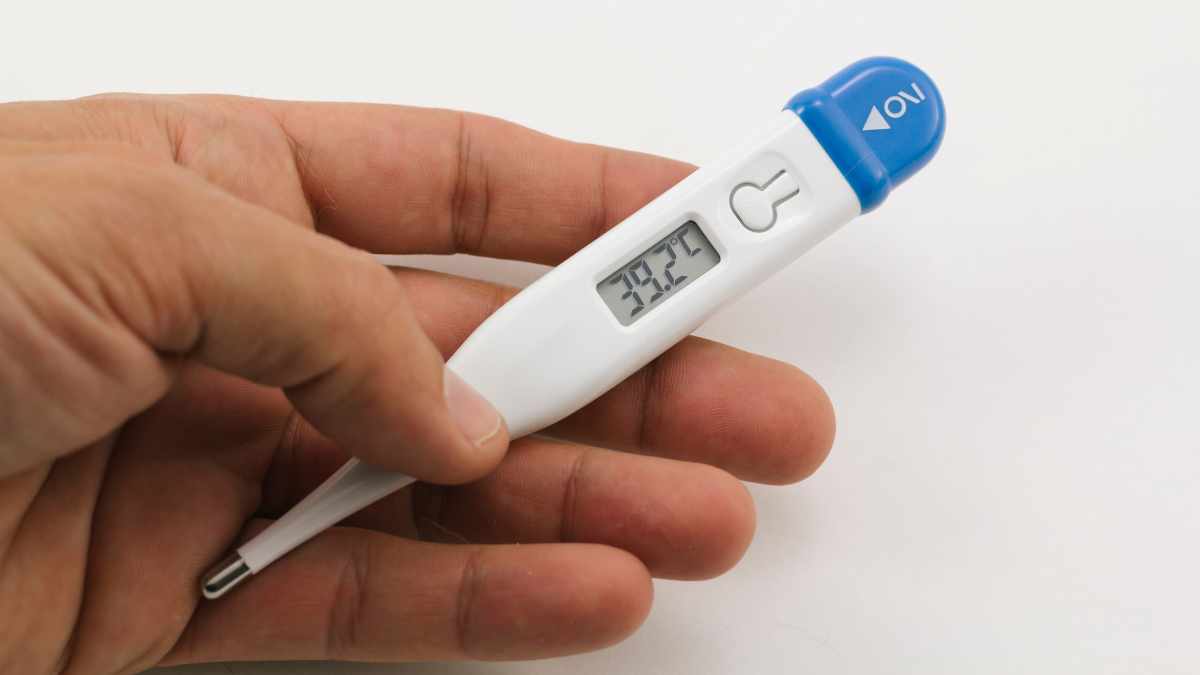
Fever is a common symptom that can indicate a variety of underlying health issues. When the body temperature rises, it often signals that the immune system is actively fighting an infection. A temperature of 103°F (39.4°C) is considered a high fever, and many people may wonder whether this warrants a visit to the emergency room (ER). Understanding the nuances of fever, evaluating accompanying symptoms, and recognizing when immediate medical attention is necessary can help individuals make informed decisions about their health.
Understanding Fever: When Is It Considered High Risk?
Fever is generally defined as a temporary increase in body temperature, often due to an illness. While a normal body temperature typically hovers around 98.6°F (37°C), variations can occur. A fever is usually classified as low-grade (99°F to 100.4°F), moderate (100.5°F to 102.9°F), or high (103°F and above). It is essential to understand that not all fevers are created equal; the risk associated with a high fever can vary based on age, underlying health conditions, and the duration of the fever.
In children, a high fever can be particularly concerning, as their immune systems are still developing. For infants under three months, a fever of 100.4°F (38°C) or higher is considered an emergency. In adults, a 103°F fever can indicate a more serious condition, especially if accompanied by other symptoms. Understanding these distinctions is crucial for assessing the risk level of a high fever and determining the appropriate course of action.
Certain populations, such as the elderly or those with compromised immune systems, may experience more severe consequences from a high fever. In these cases, even a moderately elevated temperature can signal a significant health risk. Therefore, it is essential to consider individual health factors when evaluating the severity of a fever and the necessity of seeking emergency care.
Lastly, it’s worth noting that fever is not always harmful. In fact, it can be a natural response to infection, helping the body fight off pathogens. However, when the fever reaches 103°F or higher, it is essential to monitor the situation closely and evaluate other symptoms to determine whether an ER visit is warranted.
Evaluating Symptoms: Beyond Just a High Temperature
While a high fever is a critical indicator of potential illness, it is essential to evaluate other accompanying symptoms to get a complete picture of one’s health status. Symptoms such as chills, sweating, headache, muscle aches, and fatigue often accompany fever. However, the presence of more severe symptoms, such as difficulty breathing, chest pain, confusion, or persistent vomiting, may indicate a more serious condition that requires immediate medical attention.
In addition to physical symptoms, it is crucial to consider the duration of the fever. A fever lasting more than three days may warrant further investigation, especially if it is persistent and accompanied by concerning symptoms. Recognizing patterns in symptoms can provide valuable information to healthcare providers and assist in making informed decisions about whether to seek emergency care.
Furthermore, underlying health conditions can significantly influence how a fever is perceived. Individuals with chronic illnesses, such as diabetes or heart disease, may be at higher risk for complications associated with fever. Therefore, it is essential for these individuals to monitor their symptoms closely and seek medical advice when experiencing a high fever.
Lastly, self-assessment tools and guidelines can help individuals evaluate their symptoms more effectively. Many healthcare organizations provide resources that outline when to seek medical care based on specific symptoms and fever levels. Utilizing these tools can empower individuals to make informed decisions about their health and the necessity of an ER visit.
The Role of Emergency Rooms in Fever Management
Emergency rooms play a vital role in managing high fevers, particularly when they are associated with severe symptoms or complications. ERs are equipped to handle a wide range of medical emergencies, including those related to high fever. Healthcare professionals in these settings can perform diagnostic tests, administer treatments, and provide immediate care to stabilize patients.
One of the primary functions of an ER is to conduct a thorough evaluation of the patient’s condition. This may include blood tests, imaging studies, and other diagnostic procedures to identify the underlying cause of the fever. Prompt diagnosis is crucial, as it allows for timely treatment and can prevent potential complications from escalating.
In addition to diagnostics, emergency rooms can provide immediate treatment options for high fever. This may include intravenous fluids, antipyretics (fever-reducing medications), or other interventions tailored to the patient’s specific needs. The ability to provide rapid care is one of the key advantages of seeking treatment in an emergency setting.
Moreover, ERs can facilitate referrals to specialists if necessary. For example, if a fever is determined to be related to a specific infection, the patient may be referred to an infectious disease specialist for further management. This collaborative approach ensures that patients receive comprehensive care tailored to their unique health circumstances.
When to Seek Immediate Care for a 103 Fever
Recognizing when to seek immediate care for a high fever is crucial for ensuring optimal health outcomes. If you or someone you are caring for has a fever of 103°F or higher, it is essential to assess the situation carefully. If the fever is accompanied by severe symptoms such as difficulty breathing, chest pain, confusion, or seizures, immediate medical attention is warranted.
Additionally, if the high fever persists for more than three days without improvement or is accompanied by other concerning symptoms, it is advisable to seek emergency care. Prolonged fever can indicate a more serious underlying condition that may require prompt intervention.
For vulnerable populations, such as infants, elderly individuals, or those with compromised immune systems, even a moderate fever can be a cause for concern. For infants under three months, any fever should prompt an immediate call to a healthcare provider or a visit to the ER. Similarly, older adults or individuals with chronic health conditions should be vigilant about high fevers and seek care promptly.
Finally, it is essential to trust your instincts. If you feel that the situation is urgent or if you are unsure about the severity of the symptoms, it is always better to err on the side of caution and seek medical attention. Emergency rooms are equipped to handle such situations and can provide the necessary care to address any potential health risks.
Potential Complications Associated with High Fever
High fever can lead to several complications, particularly if it is not managed appropriately. One of the most common complications is dehydration, which can occur when the body loses fluids through sweating or fever-induced increased metabolism. Dehydration can exacerbate symptoms and lead to further health issues, making it essential to maintain adequate fluid intake during a fever.
Another potential complication is febrile seizures, which are convulsions that can occur in young children due to rapid increases in body temperature. While febrile seizures are generally not harmful and do not indicate a serious medical condition, they can be alarming for parents and caregivers. Understanding the risk factors and symptoms can help in managing these situations effectively.
In some cases, high fever can indicate a severe underlying infection, such as pneumonia, meningitis, or sepsis. These conditions can escalate quickly and may require immediate medical intervention. Recognizing the signs and symptoms of these serious infections is crucial for timely treatment and can significantly impact the prognosis.
Lastly, prolonged high fever can lead to complications related to organ function. For instance, sustained elevated temperatures can affect the kidneys, liver, and cardiovascular system. Therefore, it is essential to monitor high fevers closely and seek medical attention when necessary to prevent potential complications from arising.
Conclusions:
Making informed decisions about whether to visit the ER for a 103°F fever involves understanding the nuances of fever, evaluating accompanying symptoms, and recognizing the potential risks associated with high temperatures. While fever can be a natural response to infection, a high fever, particularly when accompanied by severe symptoms or lasting for an extended period, may necessitate immediate medical attention. By being vigilant and proactive, individuals can better navigate their health concerns and ensure they receive the appropriate care when needed.
Read more
-
Mayo Clinic – Fever: This resource provides a comprehensive overview of fever, including causes, symptoms, and when to seek medical attention.
-
Cleveland Clinic – When to Go to the ER: A detailed guide on fever management and specific scenarios that warrant an ER visit.
-
CDC – Fever in Children: This page offers insights into managing fever in children, including guidelines for when to seek medical care.
-
Johns Hopkins Medicine – High Fever: An informative article discussing the implications of high fever and potential complications.
-
Healthline – Fever: Causes, Symptoms, and Treatment: A thorough examination of fever, including causes, symptoms, treatments, and when to seek medical help.