

Introduction:
Fever is a common physiological response that indicates the body is fighting off an infection or illness. When the body temperature rises to 102 degrees Fahrenheit (approximately 38.9 degrees Celsius), it can signal various underlying conditions. Understanding what a 102-degree fever feels like is essential for recognizing when to seek medical attention and how to manage symptoms effectively. This article explores the definition of a 102-degree fever, the body’s physiological responses, associated symptoms, potential causes, when to seek medical care, and treatment options available.
Understanding Fever: Defining a 102-Degree Temperature
A fever is generally defined as a temporary increase in body temperature, often due to an illness. The normal body temperature for adults typically ranges from 97°F to 99°F (36.1°C to 37.2°C). A temperature of 102°F marks a significant elevation and is classified as a moderate fever. This level of fever can be uncomfortable and may indicate that the body is actively responding to an infection, inflammation, or other medical conditions.
The body regulates its temperature through the hypothalamus, which acts as a thermostat. When the body detects pathogens such as bacteria or viruses, the hypothalamus raises the body’s set point, leading to an increase in temperature. This elevation in temperature can enhance the immune response, making it more difficult for pathogens to survive. Thus, a 102-degree fever can be seen as a natural defense mechanism against illness.
It’s important to note that fever is not an illness itself but rather a symptom of an underlying condition. The context in which the fever occurs—such as accompanying symptoms and the patient’s overall health—plays a vital role in determining its significance. Understanding the nature of a 102-degree fever can help individuals gauge the severity of their condition and decide on appropriate actions.
In both adults and children, a fever can manifest differently based on individual health factors, age, and the underlying cause. While a 102-degree fever may be concerning, it is not always indicative of a severe illness. However, awareness of its implications is crucial for effective management and treatment.
Physiological Responses to Elevated Body Temperature
When the body temperature rises to 102°F, various physiological responses occur. One of the primary reactions is the activation of the immune system. White blood cells, which play a crucial role in fighting infections, are mobilized to the site of infection, and the production of antibodies increases. This heightened immune activity can lead to the elimination of pathogens more effectively.
In addition to immune activation, the body may experience changes in metabolism. The increased temperature can accelerate metabolic processes, leading to a higher demand for energy. As a result, individuals may feel fatigued or lethargic, as the body diverts energy resources toward fighting off the illness. This feeling of exhaustion is a common response to fever and should be taken into account when assessing overall health.
Moreover, elevated body temperature can lead to sweating and changes in skin temperature. As the body attempts to cool itself down, sweating becomes more pronounced. This process can result in dehydration if fluid intake is not maintained, leading to additional symptoms such as dizziness or dry mouth. Therefore, it is essential to stay hydrated during a fever.
Lastly, the psychological effects of a fever should not be overlooked. Individuals may experience irritability, anxiety, or difficulty concentrating. These cognitive changes can stem from the body’s stress response to illness, making it vital for caregivers and loved ones to provide support during this challenging time.
Common Symptoms Associated with a 102 Fever
A 102-degree fever is often accompanied by a range of symptoms that can vary depending on the underlying cause. Commonly reported symptoms include chills, sweating, headache, and muscle aches. Chills occur as the body attempts to increase its temperature, and they can make individuals feel cold despite a high fever. Sweating is a natural response as the body tries to cool itself down, often leading to discomfort.
Headaches are also prevalent during a fever, potentially resulting from dehydration, increased blood flow, or inflammation. Muscle aches can occur due to the immune response, as the body releases chemicals called cytokines that can lead to discomfort. These symptoms can contribute to an overall feeling of malaise, making it challenging for individuals to engage in daily activities.
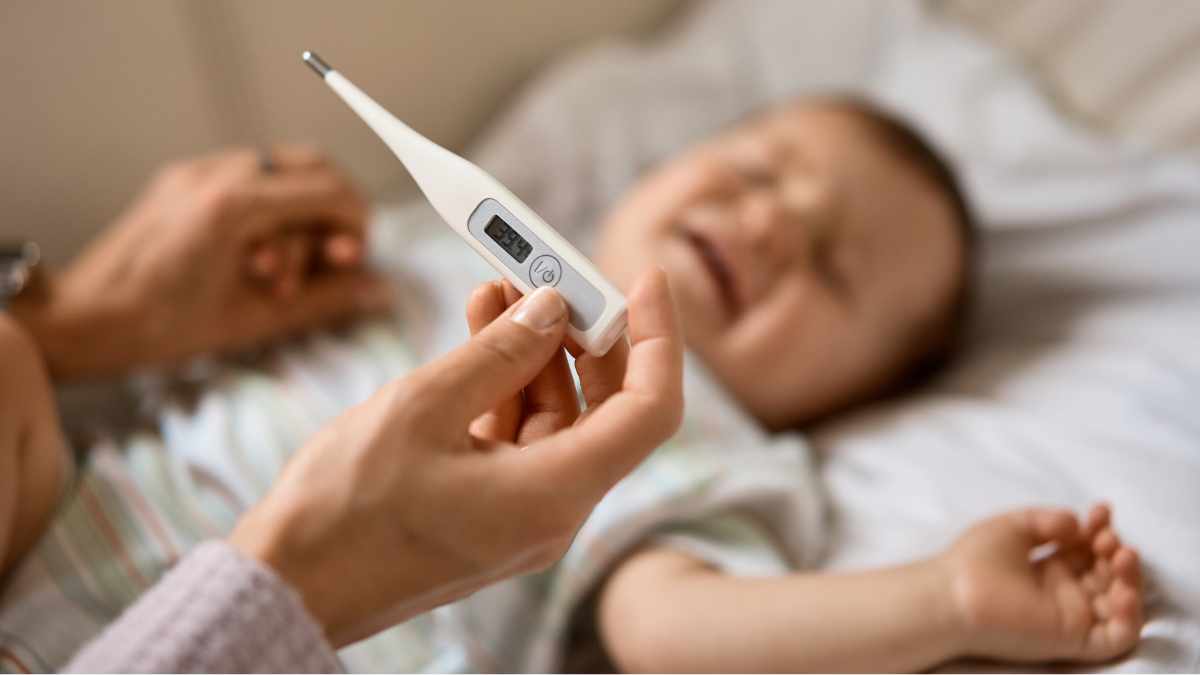
In children, a 102-degree fever may also be accompanied by additional symptoms such as irritability, loss of appetite, and difficulty sleeping. Parents should closely monitor their child’s behavior, as changes in mood or activity levels can provide important clues about their condition. It is essential to take note of any accompanying symptoms, as they can help in determining the underlying cause of the fever.
Other symptoms that may accompany a 102-degree fever include cough, sore throat, or gastrointestinal issues. The presence of these additional symptoms can provide insight into whether the fever is related to a respiratory infection, viral illness, or other medical conditions. Understanding the full spectrum of symptoms is crucial for effective assessment and management.
Potential Causes of a 102 Fever in Adults and Children
A 102-degree fever can result from various causes, ranging from mild infections to more serious medical conditions. In adults, common causes include viral infections such as influenza or the common cold, bacterial infections like strep throat or urinary tract infections, and inflammatory conditions such as rheumatoid arthritis. Each of these conditions can trigger the body’s immune response, leading to elevated temperatures.
In children, the causes of a 102-degree fever can be similar but may also include common childhood illnesses such as roseola, chickenpox, or ear infections. Viral infections are particularly prevalent in younger populations, as their immune systems are still developing. Parents should be aware of the specific symptoms associated with these conditions to determine the appropriate course of action.
Other potential causes of a 102-degree fever can include heat exhaustion, certain medications, and immunizations. Heat exhaustion can occur in hot weather or after strenuous exercise, leading to elevated body temperature. Some medications can also induce fever as a side effect, and immunizations may cause temporary fevers as the body builds immunity.
It is essential to consider the context in which the fever occurs, including recent activities, exposure to sick individuals, and any other symptoms present. This comprehensive assessment can help healthcare providers identify the underlying cause and recommend appropriate treatment options.
When to Seek Medical Attention for a 102 Fever
While a 102-degree fever is often manageable at home, certain situations warrant medical attention. In adults, it is advisable to seek medical care if the fever persists for more than three days, is accompanied by severe headaches, difficulty breathing, chest pain, or confusion. These symptoms can indicate a more serious underlying condition that requires prompt evaluation.
In children, the guidelines for seeking medical attention can differ based on age. For infants under three months, any fever above 100.4°F should prompt immediate medical consultation. For children aged three months to three years, a fever lasting more than 24 hours or accompanied by other concerning symptoms such as rash, persistent vomiting, or lethargy should be evaluated by a healthcare professional.
Additionally, individuals with compromised immune systems, chronic illnesses, or those taking immunosuppressive medications should be vigilant about monitoring fever. In these cases, even a moderate fever can signal a significant health issue that requires prompt medical intervention.
It is essential to trust one’s instincts when it comes to health. If individuals feel that their condition is worsening or if they are experiencing unusual symptoms, seeking medical attention is always a prudent choice. Early intervention can lead to better outcomes and prevent complications.
Treatment Options and Management Strategies for Fever
Managing a 102-degree fever typically involves a combination of self-care strategies and, in some cases, medical treatment. Over-the-counter medications such as acetaminophen or ibuprofen can effectively reduce fever and alleviate discomfort. It is crucial to follow the recommended dosages and consult a healthcare provider if there are any concerns about medication interactions or contraindications.
Staying hydrated is another essential aspect of fever management. Increased body temperature can lead to fluid loss through sweating, making it vital to drink plenty of water, herbal teas, or clear broths. Staying well-hydrated can help alleviate symptoms and support the body’s immune response.
Rest is also crucial during a fever. The body requires energy to fight off infections, and adequate rest can facilitate recovery. Individuals should listen to their bodies and avoid strenuous activities until they feel better. Creating a comfortable environment, such as using lightweight bedding and maintaining a moderate room temperature, can also help ease discomfort.
If the fever persists despite home treatment or is accompanied by concerning symptoms, seeking medical advice is essential. Healthcare providers may recommend further evaluation, diagnostic tests, or prescription medications to address the underlying cause of the fever. Early intervention can lead to more effective treatment and a quicker recovery.
Conclusions:
Understanding what a 102-degree fever feels like is crucial for effective management and timely intervention. By recognizing the physiological responses, common symptoms, potential causes, and when to seek medical attention, individuals can better navigate the challenges associated with fever. Appropriate treatment strategies, including hydration, rest, and medication, can alleviate discomfort and support recovery. Always consult a healthcare provider for personalized advice and treatment options.
Read more
- Mayo Clinic: Fever – A comprehensive overview of fever, its definitions, symptoms, and when to seek medical attention.
- WebMD: Fever in Adults – An informative resource detailing causes, symptoms, and management strategies for fever in adults.
- Children’s Hospital of Philadelphia: Fever – A guide focused on fever in children, including causes, symptoms, and when to seek care.
- CDC: Fever – The Centers for Disease Control and Prevention provides information on fever related to influenza and other illnesses.
- Cleveland Clinic: Understanding Fever – A detailed article discussing the mechanisms of fever, its implications, and treatment options.