
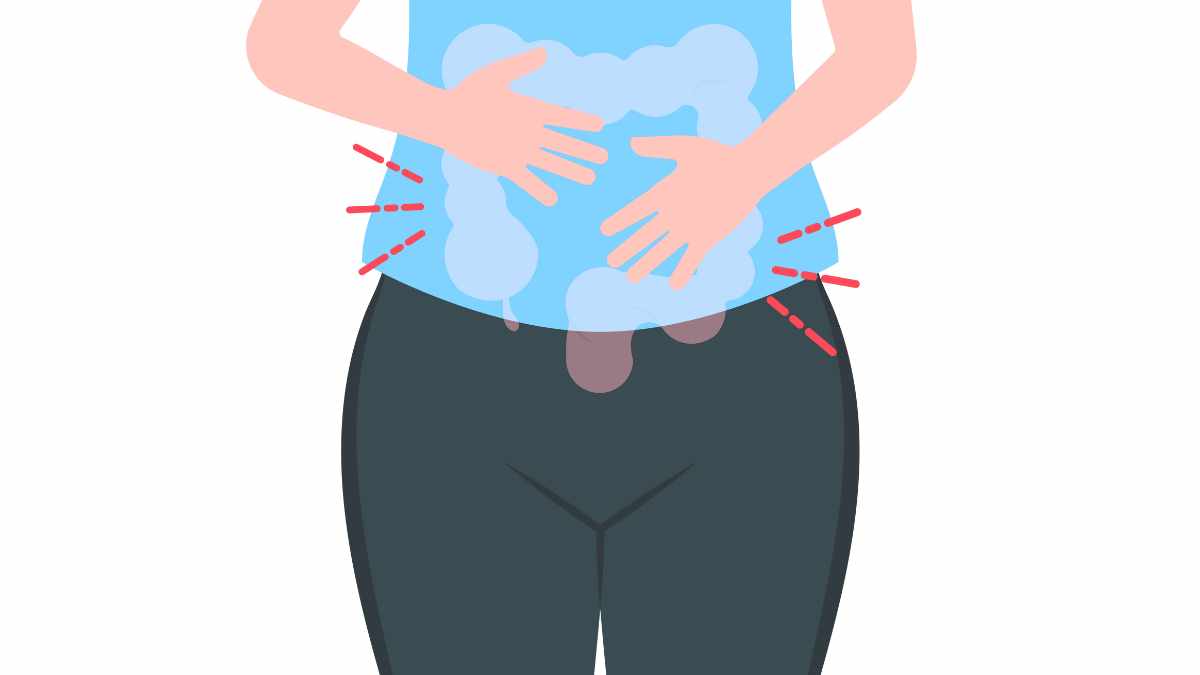


Introduction:
Irritable Bowel Syndrome (IBS) is a chronic gastrointestinal disorder that affects millions of individuals worldwide. Characterized by symptoms such as abdominal pain, bloating, and altered bowel habits, IBS can significantly impact the quality of life. Flare-ups can be triggered by various factors, including dietary choices, stress, and hormonal changes. Understanding how to manage these flare-ups is essential for those living with IBS. This article provides a comprehensive guide on how to effectively calm an IBS flare-up.
Understanding Irritable Bowel Syndrome and Its Triggers
Irritable Bowel Syndrome is classified as a functional gastrointestinal disorder, meaning it is characterized by symptoms without any identifiable structural abnormalities. The exact cause of IBS remains unclear, but it is believed to involve a combination of gut-brain interaction, dysbiosis, and heightened visceral sensitivity. Understanding these underlying mechanisms is crucial for effective management.
Common triggers for IBS flare-ups can vary widely among individuals. Dietary factors, such as high-fat foods, caffeine, and artificial sweeteners, are frequently implicated. Additionally, stress is a significant contributor, as it can exacerbate symptoms by influencing gut motility and sensitivity. Hormonal changes, particularly in women, can also play a role, with many reporting increased symptoms during menstruation. Recognizing these triggers is the first step in managing IBS.
The interplay between psychological and physical factors is another critical aspect of IBS. Many individuals with IBS experience anxiety and depression, which can further complicate their symptoms. This bidirectional relationship highlights the need for a holistic approach to treatment. By addressing both the physiological and psychological components, patients can achieve better symptom control.
In summary, understanding IBS and its triggers is vital for effective management. By identifying personal triggers and the underlying mechanisms of the disorder, individuals can take proactive steps to mitigate symptoms during flare-ups.
Identifying Early Symptoms of an IBS Flare-Up
Recognizing the early symptoms of an IBS flare-up is essential for timely intervention. Common early signs include abdominal cramping, changes in bowel habits, and increased bloating. These symptoms can serve as warning signals, prompting individuals to take action before the situation escalates.
Another early indicator may be a sudden change in appetite or food preferences. Some individuals may find themselves craving comfort foods, which can exacerbate symptoms. Monitoring these changes can help in identifying potential triggers and making necessary dietary adjustments. Additionally, increased urgency or frequency of bowel movements can signal an impending flare-up, necessitating immediate attention.
Psychological symptoms, such as heightened anxiety or irritability, may also accompany physical symptoms. These emotional responses can create a feedback loop, worsening gastrointestinal symptoms and vice versa. Being aware of these emotional changes can help individuals implement stress management techniques early on.
By staying attuned to these early signs, individuals can take proactive measures to calm an IBS flare-up. This awareness can lead to quicker interventions, reducing the severity and duration of symptoms.
Dietary Adjustments: Foods to Avoid During Flare-Ups
Diet plays a pivotal role in managing IBS, particularly during flare-ups. Certain foods are known to trigger symptoms and should be avoided. High-fat foods, such as fried items and fatty cuts of meat, can exacerbate abdominal pain and discomfort. Limiting these foods during flare-ups can help reduce symptom severity.
Dairy products are another common trigger for many individuals with IBS. Lactose intolerance is prevalent among those with IBS, and consuming dairy can lead to bloating and diarrhea. Opting for lactose-free alternatives or reducing dairy intake during flare-ups can be beneficial.
Certain high-fiber foods, while generally healthy, can also lead to increased gas and bloating during flare-ups. Foods like beans, lentils, and certain vegetables (e.g., broccoli and cauliflower) should be consumed with caution. Focusing on soluble fiber sources, such as oats and bananas, may provide relief without exacerbating symptoms.
In addition to avoiding specific foods, it is essential to maintain a regular eating schedule. Skipping meals or overeating can lead to increased gastrointestinal distress. Implementing smaller, more frequent meals can help manage symptoms more effectively during flare-ups.
Stress Management Techniques to Alleviate Symptoms
Stress is a well-known trigger for IBS flare-ups, making stress management techniques essential for symptom relief. Mindfulness and meditation can significantly reduce anxiety and promote relaxation. Practicing mindfulness allows individuals to focus on the present moment, minimizing stress-related symptoms.
Deep breathing exercises are another effective technique. By taking slow, deep breaths, individuals can activate the body’s relaxation response, which may alleviate gastrointestinal discomfort. Incorporating deep breathing into daily routines can help manage stress levels.
Physical activity can also serve as a powerful stress reliever. Regular exercise has been shown to improve mood and reduce anxiety, which can, in turn, benefit those with IBS. Engaging in low-impact activities, such as walking or yoga, can provide both physical and mental health benefits.
Finally, establishing a support system is crucial. Connecting with friends, family, or support groups can provide emotional support and practical advice. Sharing experiences with others who understand the challenges of IBS can significantly alleviate feelings of isolation.
Pharmacological Interventions for IBS Management
For some individuals, dietary and lifestyle changes may not be sufficient to manage IBS symptoms. In such cases, pharmacological interventions may be necessary. Antispasmodic medications, such as hyoscine and dicyclomine, can help relieve abdominal cramping and discomfort. These medications work by relaxing the muscles of the gastrointestinal tract.
Laxatives may be prescribed for those with IBS-C (constipation-predominant IBS), while anti-diarrheal medications can be beneficial for individuals with IBS-D (diarrhea-predominant IBS). These pharmacological options can provide relief during acute flare-ups.
In some cases, doctors may recommend medications that target the gut-brain axis, such as certain antidepressants. These medications can help alleviate both gastrointestinal symptoms and associated psychological distress. This dual approach can be particularly effective for individuals experiencing significant anxiety or depression alongside IBS.
It is essential to consult with a healthcare professional before starting any medication. A tailored treatment plan that considers individual symptoms and triggers can lead to more effective management of IBS.
Long-Term Strategies for Preventing Future Flare-Ups
Preventing future flare-ups requires a multifaceted approach. First and foremost, maintaining a food diary can help individuals identify personal triggers. By documenting food intake and symptoms, individuals can pinpoint which foods exacerbate their condition.
Regular exercise is another critical component of long-term management. Engaging in physical activity not only helps reduce stress but also promotes healthy bowel function. Establishing a consistent exercise routine can significantly improve overall well-being.
Additionally, incorporating relaxation techniques into daily life can be beneficial. Practices such as yoga, tai chi, and progressive muscle relaxation can help reduce stress and promote gastrointestinal health. Finding a technique that resonates personally can enhance adherence and effectiveness.
Finally, regular check-ins with a healthcare provider can ensure that management strategies remain effective over time. Adjustments to diet, lifestyle, or medication may be necessary as individual circumstances change.
Conclusions:
Managing IBS flare-ups requires a comprehensive understanding of the disorder, its triggers, and effective coping strategies. By identifying early symptoms, making dietary adjustments, managing stress, considering pharmacological options, and implementing long-term prevention strategies, individuals can significantly improve their quality of life. With the right approach, it is possible to navigate the challenges of IBS and minimize the impact of flare-ups.
Read more
- International Foundation for Gastrointestinal Disorders (IFFGD) – A reliable source for information on IBS, including symptoms, triggers, and management strategies.
- Mayo Clinic: Irritable Bowel Syndrome (IBS) – Offers comprehensive insights into IBS, including causes, symptoms, and treatment options.
- Cleveland Clinic: IBS Management – Provides detailed information on managing IBS, including dietary recommendations and lifestyle changes.
- National Institute of Diabetes and Digestive and Kidney Diseases (NIDDK) – A government resource that offers research-based information on IBS.
- American College of Gastroenterology (ACG) – A professional organization providing guidelines and resources for the diagnosis and management of IBS.


