

Introduction:
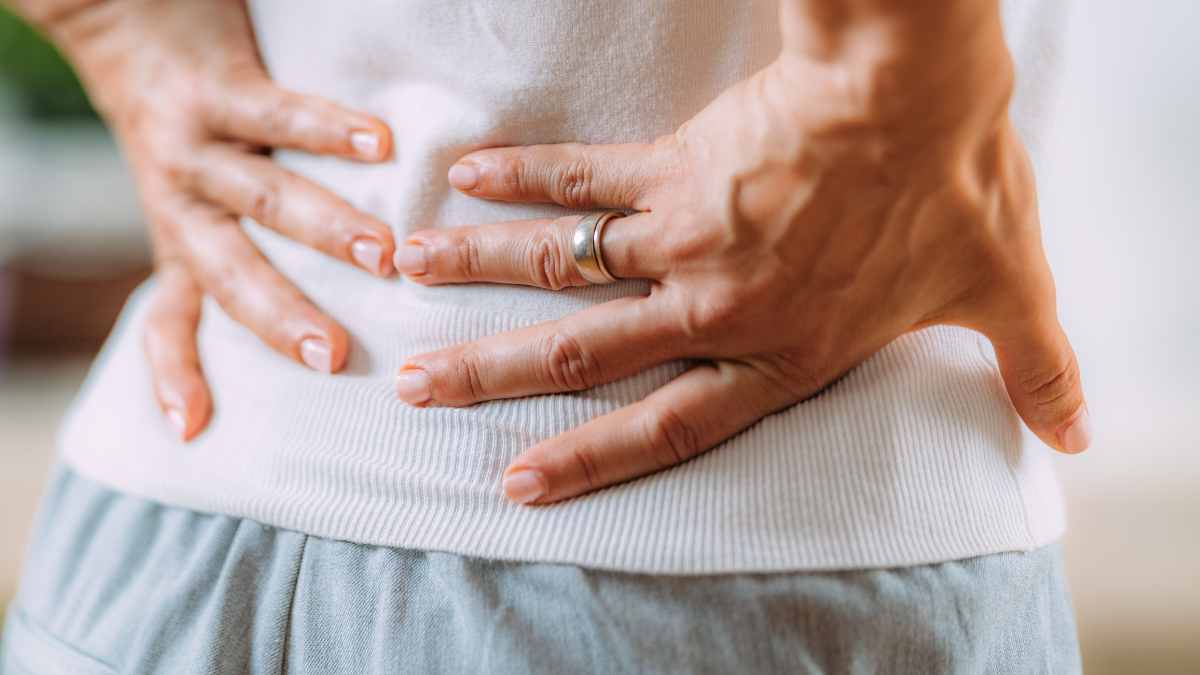
Lower back pain is a prevalent issue that affects millions of individuals worldwide, often manifesting as discomfort or pain that radiates across the hips. This condition can stem from various underlying causes, ranging from muscle strains to more complex musculoskeletal disorders. Understanding the intricacies of lower back pain, particularly in relation to hip discomfort, is essential for effective management and treatment. This article will delve into the anatomy of the lower back and hip region, explore common conditions that lead to pain, discuss the role of muscle imbalances, outline diagnostic approaches, and review effective treatment options.
Understanding Lower Back Pain: An Overview of Causes
Lower back pain can arise from numerous factors, including injury, degeneration, and overuse. Acute injuries, such as sprains or strains, often occur due to heavy lifting or sudden movements. Chronic conditions, on the other hand, may develop over time due to repetitive stress or age-related wear and tear. Degenerative disc disease and osteoarthritis are common culprits that can contribute to persistent discomfort.
In addition to physical injuries, lifestyle factors play a significant role in lower back pain. Sedentary behavior, poor posture, and obesity can all exacerbate the strain on the lower back and hips. Individuals who spend prolonged periods sitting or engaging in repetitive motions without proper ergonomics are particularly vulnerable to developing pain in this region.
Another critical aspect to consider is the psychological component of pain. Stress and anxiety can lead to muscle tension and exacerbate existing discomfort. Understanding the multifaceted nature of lower back pain is crucial for identifying effective treatment strategies that address both physical and psychological factors.
Lastly, certain medical conditions such as fibromyalgia, scoliosis, and herniated discs can also contribute to lower back pain. These conditions often require specialized treatment approaches, highlighting the importance of a thorough evaluation to determine the underlying cause of discomfort.
Anatomy of the Lower Back and Hip Region Explained
The lower back, or lumbar region, consists of five vertebrae (L1-L5) that support the weight of the upper body and allow for a range of motion. Surrounding these vertebrae are various structures, including intervertebral discs, ligaments, and muscles. The lumbar spine is crucial for maintaining stability and flexibility, making it susceptible to injury and strain.
Adjacent to the lower back are the hips, which are formed by the pelvis and the femur. The hip joint is one of the largest and most mobile joints in the body, allowing for movements such as walking, running, and bending. The intricate relationship between the lower back and hips means that issues in one area can often lead to discomfort in the other.
Muscles such as the gluteus maximus, iliopsoas, and quadratus lumborum play vital roles in stabilizing the lower back and hips. These muscles work together to facilitate movement and maintain posture. When any of these muscles become weak or tight, it can lead to imbalances that contribute to pain and discomfort.
Understanding the anatomy of the lower back and hip region is essential for identifying potential sources of pain. A comprehensive knowledge of this area can guide both patients and healthcare providers in developing effective treatment plans tailored to individual needs.
Common Conditions Leading to Pain Across the Hips
Several common conditions can lead to pain that radiates across the hips and lower back. Sciatica, characterized by pain that travels along the sciatic nerve, often originates from a herniated disc or spinal stenosis. This condition can cause significant discomfort in the lower back and hips, making it challenging to perform daily activities.
Another prevalent condition is hip osteoarthritis, which involves the degeneration of cartilage in the hip joint. This condition can lead to stiffness, swelling, and pain that may radiate to the lower back. As the cartilage wears down, the bones may rub against each other, exacerbating discomfort and limiting mobility.
Muscle strains in the lower back or hip region can also contribute to pain. These strains often occur due to overuse, improper lifting techniques, or sudden movements. Symptoms may include localized pain, stiffness, and reduced range of motion, making it difficult to engage in physical activities.
Lastly, conditions such as sacroiliac joint dysfunction can lead to pain across the hips and lower back. This joint connects the spine to the pelvis and can become inflamed or misaligned, resulting in discomfort that may be felt in both areas. Identifying these conditions is crucial for developing an effective treatment plan.
The Role of Muscle Imbalances in Lower Back Discomfort
Muscle imbalances are a significant contributor to lower back pain and discomfort across the hips. When certain muscles become overactive or tight, while others become weak or inhibited, it can lead to poor posture and movement patterns. For instance, tight hip flexors can pull the pelvis forward, increasing the curvature of the lumbar spine and leading to discomfort.
Weakness in the core muscles, including the abdominal and pelvic floor muscles, can exacerbate lower back pain. A strong core is essential for stabilizing the spine and pelvis during movement. When these muscles are weak, the lower back is forced to compensate, leading to increased strain and discomfort.
Additionally, gluteal muscle weakness can contribute to lower back pain. The glutes play a crucial role in hip extension and stabilization. Weak glutes can lead to overreliance on the lower back muscles, resulting in increased tension and discomfort in that area.
Addressing muscle imbalances through targeted exercises and stretches is essential for alleviating lower back pain. A well-rounded approach that focuses on strengthening weak muscles and lengthening tight ones can help restore balance and improve overall function.
Diagnostic Approaches for Hip-Related Back Pain
Diagnosing the underlying cause of hip-related back pain involves a comprehensive evaluation by a healthcare professional. The process typically begins with a thorough medical history and physical examination. During this assessment, the provider will inquire about the patient’s symptoms, lifestyle, and any previous injuries.
Imaging studies, such as X-rays, MRI, or CT scans, may be necessary to visualize the structures of the lower back and hips. These imaging techniques can help identify conditions such as herniated discs, osteoarthritis, or fractures that may be contributing to pain.
In some cases, diagnostic injections may be performed to pinpoint the source of pain. For example, a corticosteroid injection into the sacroiliac joint can help determine if this joint is the source of discomfort. If the injection provides relief, it indicates that the joint may be the underlying issue.
Finally, a multidisciplinary approach may be beneficial for diagnosing and treating hip-related back pain. Collaborating with physical therapists, chiropractors, and pain specialists can provide a comprehensive understanding of the condition and facilitate effective treatment strategies.
Effective Treatment Options for Lower Back and Hip Pain
Treating lower back pain that radiates across the hips requires a multifaceted approach tailored to the individual’s needs. Physical therapy is often a cornerstone of treatment, focusing on strengthening weak muscles, improving flexibility, and correcting posture. A physical therapist can design a personalized exercise program to address specific imbalances and alleviate discomfort.
Medications may also be prescribed to manage pain and inflammation. Nonsteroidal anti-inflammatory drugs (NSAIDs) are commonly used to reduce swelling and provide relief. In some cases, muscle relaxants or corticosteroids may be recommended for more severe pain.
Alternative therapies, such as chiropractic care, acupuncture, and massage therapy, can also provide relief for lower back and hip pain. These modalities aim to improve alignment, reduce muscle tension, and promote overall well-being. Many individuals find that a combination of traditional and alternative treatments yields the best results.
Lastly, lifestyle modifications play a crucial role in managing lower back pain. Maintaining a healthy weight, engaging in regular physical activity, and practicing good ergonomics can help prevent future episodes of pain. Educating patients about proper body mechanics and self-care strategies is essential for long-term management.
Conclusions:
Understanding the complexities of lower back pain, particularly when it radiates across the hips, is essential for effective diagnosis and treatment. By exploring the anatomy of the region, identifying common conditions, recognizing the impact of muscle imbalances, and employing appropriate diagnostic and treatment strategies, individuals can take proactive steps toward alleviating their discomfort. A comprehensive approach that combines physical therapy, medication, alternative therapies, and lifestyle changes can lead to improved outcomes and enhanced quality of life.
Read more
- Mayo Clinic: Low Back Pain – A detailed overview of causes, symptoms, and treatments for low back pain.
- Cleveland Clinic: Lower Back Pain – Insights into the anatomy, causes, and treatment options for lower back pain.
- American Academy of Orthopaedic Surgeons: Low Back Pain – Comprehensive information on the diagnosis and treatment of low back pain.
- Harvard Health Publishing: Understanding Back Pain – An informative article discussing the various aspects of back pain and management strategies.
- National Institute of Neurological Disorders and Stroke: Low Back Pain Fact Sheet – A resource providing facts about low back pain, its causes, and treatment options.


