
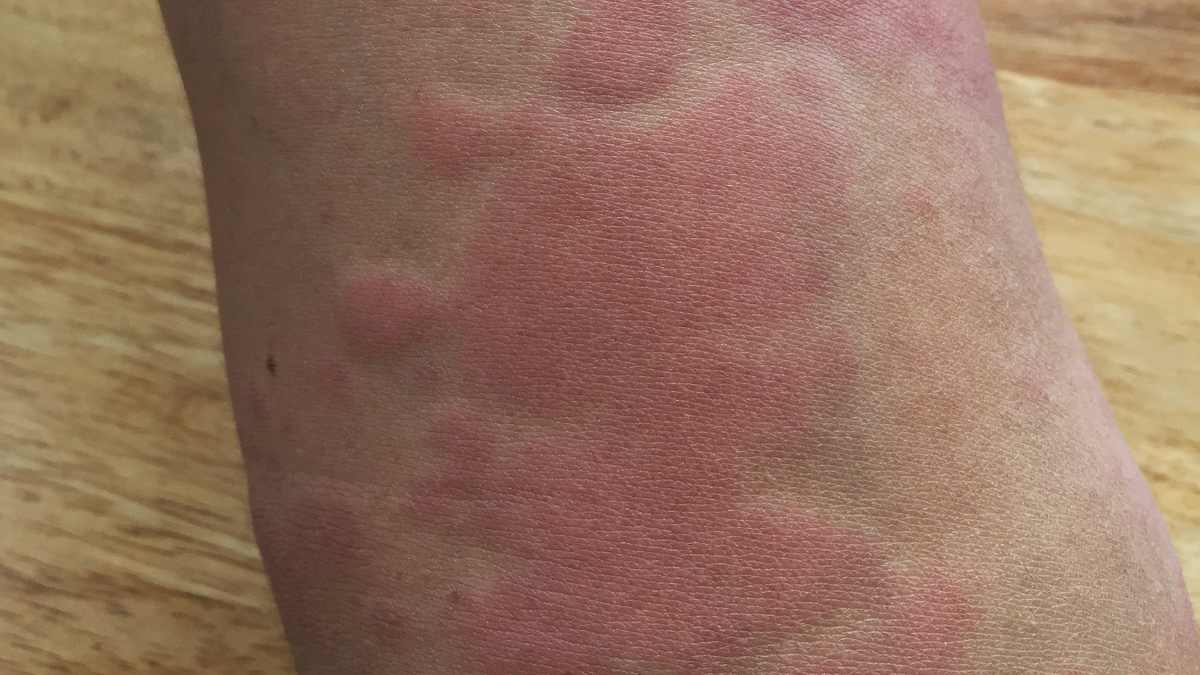

Introduction:
Benadryl, a well-known antihistamine, is often associated with providing relief from allergic reactions, including skin rashes. However, the question arises: can it be effectively applied topically to a rash? Understanding the composition and mechanism of action of Benadryl, its common dermatological uses, and the potential risks associated with its topical application is essential for making informed decisions regarding skin care. This article delves into these aspects, offering a comprehensive overview of Benadryl’s role in treating skin rashes.
Understanding Benadryl: Composition and Mechanism of Action
Benadryl, or diphenhydramine, is an antihistamine that belongs to the first generation of this drug class. Its primary function is to block the action of histamine, a chemical released during allergic reactions that contributes to symptoms such as itching, swelling, and redness. The composition of Benadryl includes diphenhydramine hydrochloride as the active ingredient, along with various inactive components that facilitate its absorption and efficacy.
The mechanism of action of diphenhydramine involves competitive antagonism of H1 receptors, which are responsible for mediating allergic responses. By binding to these receptors, Benadryl effectively reduces the symptoms associated with allergic reactions. This action not only alleviates itching and inflammation but also has a sedative effect, which can be beneficial in cases of severe allergic reactions that disrupt sleep.
While Benadryl is primarily administered orally, it is also available in topical formulations. These topical preparations are designed to provide localized relief from itching and irritation without the systemic effects associated with oral administration. However, the effectiveness of these formulations can vary based on the type of rash and the underlying cause.
Understanding the pharmacokinetics of Benadryl is crucial for determining its appropriate use. When applied topically, the absorption rate of diphenhydramine can differ significantly from its oral counterpart, which may influence its efficacy in treating skin conditions. Therefore, it is essential to consider the formulation and intended use when contemplating the application of Benadryl on rashes.
Common Uses of Benadryl in Dermatological Conditions
Benadryl is commonly used to treat various dermatological conditions, particularly those associated with allergic reactions. Conditions such as urticaria (hives), contact dermatitis, and insect bites often lead to significant itching and discomfort. In these cases, Benadryl can provide symptomatic relief, helping to alleviate the immediate discomfort caused by these conditions.
In addition to its use for acute allergic reactions, Benadryl may also be employed in the management of chronic skin conditions, such as eczema or atopic dermatitis. While these conditions are primarily inflammatory rather than allergic, the intense itching associated with them can lead to secondary allergic reactions from scratching. Thus, Benadryl may be used as an adjunctive treatment to help control itching and prevent further skin damage.
Topical formulations of Benadryl, such as creams and gels, are marketed for their ability to provide localized relief. These products are often combined with other soothing agents, such as aloe vera or hydrocortisone, to enhance their effectiveness. However, the clinical evidence supporting the use of topical Benadryl for skin rashes remains limited, necessitating further research to establish its efficacy.
Despite its common use, it is important to recognize that Benadryl is not a first-line treatment for all skin rashes. Healthcare providers often recommend alternative treatments, such as corticosteroids or emollients, depending on the underlying cause of the rash. Therefore, understanding the appropriate context for using Benadryl is vital for effective management.
Evaluating the Efficacy of Topical Antihistamines
Topical antihistamines, including Benadryl, have been studied for their efficacy in treating localized allergic reactions. While anecdotal evidence suggests that these products can provide relief from itching and inflammation, clinical studies have yielded mixed results. Some studies indicate that topical antihistamines may be effective in reducing symptoms of localized allergic reactions, while others show little to no benefit compared to placebo.
One of the challenges in evaluating the efficacy of topical antihistamines is the variability in individual responses. Factors such as skin type, the severity of the rash, and the presence of secondary infections can all influence the effectiveness of treatment. Additionally, the concentration of diphenhydramine in topical formulations may not be sufficient to achieve the desired therapeutic effect in all patients.
Moreover, the mechanism by which topical antihistamines exert their effects is not fully understood. It is hypothesized that they may work by blocking histamine receptors in the skin, but the extent to which they penetrate the skin barrier and reach these receptors remains uncertain. This uncertainty raises questions about the overall efficacy of topical Benadryl for treating skin rashes.
In clinical practice, healthcare providers often recommend a stepwise approach to managing skin rashes. While topical antihistamines like Benadryl may be used for symptomatic relief, they are typically not the sole treatment option. Instead, they may be combined with other therapies to enhance overall effectiveness and address the underlying cause of the rash.
Risks and Side Effects of Rubbing Benadryl on Rashes
While Benadryl can provide relief from itching and discomfort, there are potential risks and side effects associated with its topical application. One of the primary concerns is the possibility of skin irritation or allergic reactions to the product itself. Some individuals may develop contact dermatitis in response to the inactive ingredients in topical formulations, leading to further complications.
Additionally, the sedative effects of oral Benadryl can be a concern when used topically, particularly if the product is inadvertently absorbed into the bloodstream. This can lead to drowsiness or other systemic side effects, which may be particularly problematic for children or individuals operating machinery. Therefore, caution is advised when using topical Benadryl, especially in sensitive populations.
Another risk associated with the use of topical antihistamines is the potential for overuse. Patients may be tempted to apply the product excessively in an attempt to achieve faster relief, which can lead to skin thinning or other dermatological issues. It is essential for users to follow the recommended guidelines and consult with a healthcare provider if symptoms persist.
Lastly, the use of topical Benadryl does not address the underlying cause of the rash. While it may provide temporary relief, it is crucial to identify and treat the root cause of the skin condition to prevent recurrence. This highlights the importance of a comprehensive approach to dermatological care that goes beyond symptomatic treatment.
Clinical Guidelines for Treating Rashes with Benadryl
Clinical guidelines for treating rashes with Benadryl emphasize the importance of accurate diagnosis and appropriate treatment selection. Healthcare providers are encouraged to conduct a thorough assessment of the rash, including its duration, appearance, and associated symptoms, to determine the most suitable treatment plan. In many cases, Benadryl may be recommended as a short-term solution for managing itching and discomfort.
When considering the use of topical Benadryl, clinicians should weigh the potential benefits against the risks. For localized allergic reactions, topical formulations may be appropriate, but they should be used judiciously and in conjunction with other therapies. If the rash is widespread or accompanied by systemic symptoms, oral antihistamines or corticosteroids may be more effective.
In cases where Benadryl is deemed appropriate, healthcare providers should educate patients on proper application techniques and dosage. Patients should be advised to apply a thin layer of the product to the affected area and to avoid using it on broken or infected skin. Clear instructions regarding frequency of use and duration of treatment can help minimize the risk of adverse effects.
Finally, healthcare providers should monitor patients for any signs of worsening symptoms or adverse reactions. If symptoms do not improve within a specified timeframe, or if they worsen, a reevaluation of the treatment plan may be necessary. This approach ensures that patients receive the most effective and safe care for their dermatological conditions.
Alternative Treatments for Skin Rashes: A Comparative Analysis
In addition to Benadryl, there are several alternative treatments available for managing skin rashes. Corticosteroids are often considered the first-line treatment for inflammatory skin conditions, such as eczema and psoriasis. These medications work by reducing inflammation and suppressing the immune response, providing more comprehensive relief than antihistamines alone.
Emollients and moisturizers are also critical components of rash management. They help restore the skin barrier, prevent dryness, and reduce itching. These products can be used in conjunction with topical medications to enhance overall effectiveness and promote healing.
Another alternative treatment option is the use of topical calcineurin inhibitors, such as tacrolimus and pimecrolimus. These medications are particularly useful for treating sensitive areas of the skin, such as the face and groin, where corticosteroids may not be suitable for long-term use. They work by modulating the immune response and can be effective in managing chronic inflammatory skin conditions.
Finally, phototherapy and systemic treatments may be considered for severe or refractory cases of skin rashes. These approaches involve exposing the skin to controlled amounts of ultraviolet light or administering systemic medications that target the underlying immune mechanisms. Each treatment option has its own set of benefits and risks, making it essential for patients to work closely with their healthcare providers to determine the most appropriate course of action.
Conclusions:
In summary, while Benadryl can provide symptomatic relief for certain skin rashes, its efficacy as a topical treatment remains uncertain. Understanding the composition, mechanism of action, and potential risks associated with topical antihistamines is essential for informed decision-making. Healthcare providers should consider alternative treatments and develop comprehensive management plans tailored to individual patient needs. Ultimately, a thorough assessment and appropriate treatment strategy will lead to better outcomes for patients suffering from skin rashes.
Read more
- Mayo Clinic – Allergic Skin Reactions – An overview of allergic skin reactions, including symptoms and treatment options.
- American Academy of Dermatology – Eczema – Detailed information on eczema, its causes, and treatment strategies.
- National Eczema Association – Topical Treatments – A guide to topical treatments for eczema, including corticosteroids and calcineurin inhibitors.
- WebMD – Benadryl and Other Antihistamines – Information on Benadryl, its uses, and potential side effects.
- Cleveland Clinic – Skin Rashes – A comprehensive resource on various types of skin rashes and their management.