

Introduction:
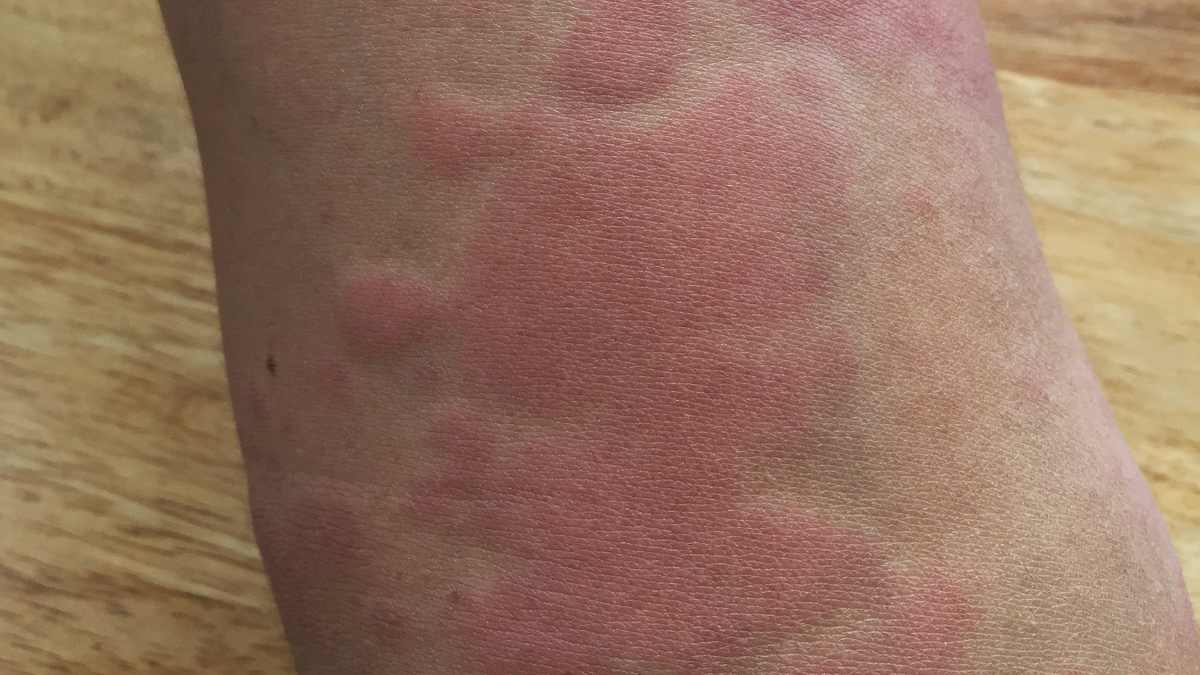
Rashes are common skin conditions that can arise from a variety of causes, ranging from allergies to infections. Understanding how long a rash should last is crucial for determining the severity of the underlying issue and deciding on the appropriate treatment. The duration of a rash can vary significantly depending on its type, the individual’s health, and other influencing factors. This article will explore the different types of rashes, their typical durations, and when to seek medical attention.
Understanding Rashes: Types and Their Typical Duration
Rashes can be classified into several categories, including allergic reactions, infections, irritations, and autoimmune disorders. Each type has distinct characteristics and healing timelines. For instance, allergic rashes, such as contact dermatitis, often resolve within a few days to weeks once the irritant is removed. In contrast, rashes caused by infections, such as chickenpox or shingles, may last longer, typically ranging from one to three weeks, depending on the individual’s immune response.
Another common type of rash is eczema, which can be chronic and may last for months or even years if not properly managed. Psoriasis, an autoimmune condition, also presents with persistent rashes that can last indefinitely without treatment. Understanding the type of rash is essential for predicting its duration and determining the appropriate course of action.
In some cases, rashes may be indicative of more serious underlying conditions, such as lupus or other systemic diseases. These rashes often persist until the underlying condition is effectively managed. Therefore, it is crucial to identify the type of rash accurately to understand its expected duration.
Finally, the location of the rash can also influence its healing time. Rashes in areas that are frequently exposed to friction or moisture may take longer to heal compared to those in less active areas of the skin.
Factors Influencing Rash Duration: A Comprehensive Overview
Several factors can significantly influence how long a rash lasts. Individual health status is paramount; those with compromised immune systems or pre-existing skin conditions may experience prolonged rashes. Age is another critical factor, as children and the elderly often have different skin sensitivities and healing capacities compared to healthy adults.
Environmental factors, such as humidity and temperature, can also affect rash duration. High humidity can exacerbate conditions like eczema, leading to longer-lasting symptoms. Conversely, dry conditions may worsen irritative rashes, prolonging their duration. Additionally, exposure to allergens or irritants can lead to recurrent rashes, complicating the healing process.
Medications and treatments can also play a role in the duration of a rash. Certain medications, such as corticosteroids, can speed up recovery, while others may have side effects that exacerbate skin conditions. Furthermore, the presence of secondary infections can complicate a rash, leading to extended healing times.
Lastly, lifestyle factors, including diet, stress levels, and overall skincare routines, can influence how quickly a rash resolves. A balanced diet rich in vitamins and minerals can support skin health, while high-stress levels may trigger or worsen skin issues, prolonging the duration of rashes.
When to Seek Medical Attention for Prolonged Rashes
It is essential to recognize when a rash warrants medical attention. If a rash persists for more than two weeks without improvement, it is advisable to consult a healthcare professional. Additionally, rashes accompanied by severe symptoms, such as pain, swelling, or fever, should prompt immediate medical evaluation.
Rashes that spread rapidly or are associated with other systemic symptoms, such as joint pain or fatigue, may indicate a more serious underlying condition. In such cases, timely intervention is crucial to prevent complications. Moreover, rashes that ooze, bleed, or develop crusts may signal a secondary infection, necessitating prompt medical care.
Individuals with a history of allergies or autoimmune conditions should be particularly vigilant. A rash that appears suddenly or worsens after exposure to known allergens should be evaluated to prevent further complications. Furthermore, if over-the-counter treatments fail to alleviate the rash, seeking professional advice is essential.
Lastly, rashes in vulnerable populations, such as infants, pregnant women, or individuals with chronic illnesses, should be assessed by a healthcare provider to ensure appropriate management and prevent potential complications.
Common Rashes and Their Expected Healing Timeframes
Several common rashes have well-established healing timeframes. Contact dermatitis, often caused by allergens or irritants, typically resolves within one to three weeks once the offending agent is removed. Eczema, on the other hand, can be chronic, with flare-ups lasting for days to weeks, depending on management strategies.
Psoriasis is another prevalent condition characterized by red, scaly patches. While it can be managed with various treatments, it often requires ongoing care, with rashes potentially persisting for months or even years. Fungal infections, such as ringworm, usually respond well to antifungal treatments, with rashes typically clearing within two to four weeks.
Viral rashes, such as those caused by chickenpox or measles, generally resolve within one to three weeks, depending on the individual’s immune response. However, complications can arise, extending the duration of symptoms. Understanding these common rashes and their expected healing times can help individuals gauge the severity of their condition and seek appropriate care.
Diagnostic Approaches for Persistent Rashes in Patients
When a rash persists beyond the expected timeframe, healthcare providers employ various diagnostic approaches to identify the underlying cause. A thorough medical history is essential, as it helps to identify potential triggers or associated symptoms. Patients are often asked about recent exposures, medications, and any relevant family history of skin conditions.
Physical examination is another critical component, where healthcare providers assess the rash’s characteristics, including its location, appearance, and any associated symptoms. This examination can provide valuable clues regarding the rash’s etiology. In some cases, a skin scraping or biopsy may be necessary to rule out infections or confirm a diagnosis.
Allergy testing may also be warranted, particularly in cases of suspected allergic contact dermatitis. Patch tests can help identify specific allergens that may be causing the rash. Additionally, blood tests may be conducted to assess for underlying systemic conditions, such as autoimmune disorders.
Finally, healthcare providers may recommend a trial of treatment to see if the rash responds to specific therapies. This approach can help narrow down the potential causes and guide further management.
Treatment Options to Expedite Rash Recovery and Relief
Treatment options for rashes vary widely depending on the underlying cause and severity. For allergic rashes, avoiding the trigger is paramount, and topical corticosteroids may be prescribed to reduce inflammation and itching. Antihistamines can also provide symptom relief for itching and discomfort.
In cases of infectious rashes, appropriate antimicrobial treatments are essential. For instance, fungal infections may require topical or systemic antifungals, while bacterial infections might necessitate antibiotics. Early intervention can significantly reduce the duration of these rashes.
For chronic conditions like eczema and psoriasis, long-term management strategies are crucial. This may include the use of moisturizers, topical treatments, and lifestyle modifications to minimize flare-ups. In some cases, systemic therapies may be necessary to control severe symptoms.
Lastly, supportive care, such as cool compresses and oatmeal baths, can provide symptomatic relief for various rashes. Educating patients about proper skincare and trigger avoidance is also essential for preventing recurrences and promoting faster recovery.
Conclusions:
Understanding how long a rash should last is critical for effective management and treatment. By recognizing the type of rash, the factors influencing its duration, and when to seek medical attention, individuals can better navigate their skin health. While many rashes resolve within a few days to weeks, persistent or severe cases require professional evaluation and treatment to ensure optimal outcomes.
Read more
- Mayo Clinic – Rashes: A comprehensive overview of various types of rashes, their causes, and treatment options.
- American Academy of Dermatology – Skin Rashes: Detailed information about common skin rashes, including symptoms and management strategies.
- Cleveland Clinic – Rash: An informative resource on the types of rashes, their potential causes, and when to seek medical help.
- National Eczema Association – Eczema: A dedicated site providing insights into eczema, its management, and coping strategies.
- WebMD – Skin Rash: A user-friendly guide to understanding skin rashes, including symptoms, causes, and treatments.