

Introduction:
Viral rashes are a common manifestation of various viral infections, often presenting as a temporary skin condition that can cause concern for patients and caregivers alike. Understanding the nature of these rashes, their duration, and the factors that influence their persistence is crucial for effective management and reassurance. This article delves into the characteristics of viral rashes, the typical timelines for their resolution, and guidance on when medical intervention is necessary.
Understanding Viral Rashes: An Overview of Symptoms
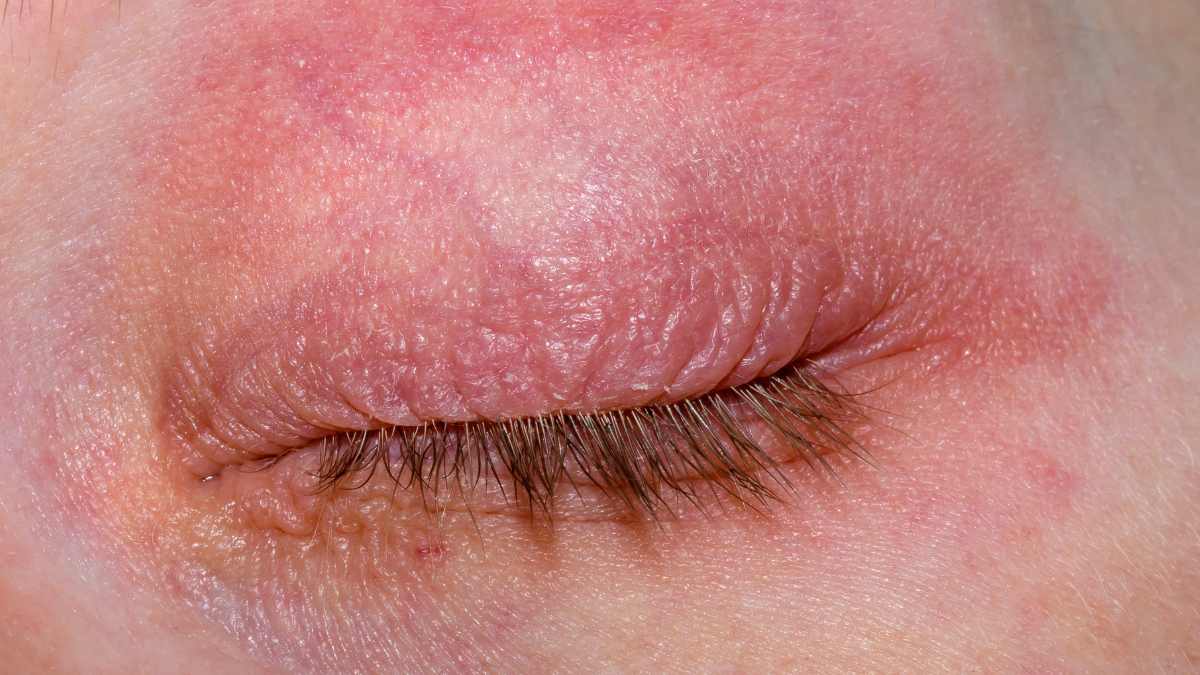
Viral rashes can manifest in numerous ways, often depending on the specific virus involved. Common symptoms include red or blotchy skin, which may appear as spots or patches. The rash can vary in texture, sometimes being flat or raised, and may be accompanied by other symptoms such as fever, fatigue, and muscle aches. In some cases, the rash may be itchy or painful, adding to the discomfort experienced by the patient.
The appearance of a viral rash often correlates with the incubation period of the underlying viral infection. For instance, rashes associated with measles or rubella typically emerge several days after the initial symptoms of the virus. Additionally, the rash may evolve over time, changing in color and texture as the infection progresses. Understanding these symptoms is essential for distinguishing viral rashes from other skin conditions.
While many viral rashes are self-limiting, they can sometimes be mistaken for other dermatological issues, such as bacterial infections or allergic reactions. This confusion underscores the importance of recognizing the specific characteristics of viral rashes, which can aid in appropriate management and treatment.
In summary, viral rashes are often accompanied by systemic symptoms and can vary significantly in appearance and discomfort. Recognizing these symptoms is the first step in understanding how long a viral rash may last and what factors may influence its duration.
Factors Influencing the Duration of Viral Rashes
The duration of a viral rash can be influenced by several factors, including the type of virus causing the rash, the individual’s immune response, and any underlying health conditions. Different viruses have distinct timelines for rash development and resolution. For example, rashes caused by the varicella-zoster virus (chickenpox) typically last longer than those caused by the common cold virus.
The immune system’s response plays a crucial role in determining how long a viral rash persists. Individuals with a robust immune system may experience a quicker resolution of symptoms, while those with weakened immune systems may see prolonged rashes. Additionally, age can be a factor; children often experience viral rashes differently than adults, sometimes exhibiting shorter durations due to their generally more resilient immune systems.
Another significant factor is treatment. While most viral rashes do not require specific antiviral treatment, the use of supportive care measures can alleviate symptoms and potentially shorten the duration of the rash. This includes hydration, rest, and over-the-counter medications for fever and discomfort.
In conclusion, the duration of a viral rash is not universally fixed but is influenced by a combination of viral characteristics, individual health factors, and treatment approaches. Understanding these influences can provide insight into what to expect during the course of a viral rash.
Typical Timeline: Duration of Common Viral Rashes
The timeline for the duration of viral rashes varies significantly depending on the virus involved. For instance, measles rashes typically appear 7 to 14 days after exposure and can last for about 5 to 7 days. In contrast, rashes associated with rubella may last around 3 days, often resolving quickly as the virus runs its course.
Varicella, or chickenpox, presents with a rash that can last anywhere from 5 to 7 days, with new spots appearing over a period of several days. The rash usually goes through stages, starting as red spots, evolving into blisters, and eventually crusting over. This progression can take up to two weeks from the initial appearance of the rash until complete healing.
Other viral rashes, like those caused by enteroviruses, can vary widely in duration. Some may resolve within a few days, while others can linger for weeks. The variability in timelines underscores the importance of recognizing the specific viral etiology when assessing the duration of a rash.
Overall, understanding the typical timelines associated with common viral rashes can help patients and caregivers anticipate the course of the illness and manage expectations regarding recovery.
Distinguishing Between Viral and Other Rash Types
Distinguishing viral rashes from other types of skin conditions is essential for appropriate management. Bacterial infections, for example, often present with localized redness, swelling, and pus formation, which are not typical features of viral rashes. In contrast, viral rashes tend to be more diffuse and may be associated with systemic symptoms like fever and malaise.
Allergic reactions can also mimic viral rashes, presenting as hives or welts. However, allergic rashes typically arise quickly after exposure to an allergen and may be accompanied by itching and swelling. Unlike viral rashes, which often have a clear timeline related to an infectious process, allergic reactions can occur suddenly and may resolve quickly once the allergen is removed.
In some cases, fungal infections may be mistaken for viral rashes. Fungal rashes often exhibit distinct characteristics, such as a scaly appearance and well-defined borders, which can help differentiate them from viral manifestations. A thorough clinical evaluation, including history and physical examination, is often necessary to make an accurate diagnosis.
In summary, the ability to distinguish viral rashes from other skin conditions is crucial for effective treatment and management. Awareness of the unique features of viral rashes can aid healthcare providers in making informed decisions regarding patient care.
When to Seek Medical Attention for Viral Rashes
While most viral rashes are benign and self-limiting, there are specific circumstances in which seeking medical attention is warranted. If a rash is accompanied by severe symptoms such as difficulty breathing, swelling of the face or throat, or a high fever, immediate medical intervention is necessary. These symptoms may indicate an allergic reaction or another serious condition that requires prompt treatment.
Additionally, if a rash persists beyond the typical duration associated with the suspected viral infection, it may warrant further evaluation. Prolonged rashes can sometimes indicate secondary bacterial infections or complications that require additional medical intervention.
Patients should also seek medical advice if the rash is widespread and associated with significant discomfort or pain. In such cases, healthcare providers can offer guidance on symptom management and assess for any underlying issues that may need addressing.
In conclusion, while many viral rashes are harmless and resolve without intervention, being vigilant about concerning symptoms and changes in the rash can help ensure timely medical care when necessary.
Treatment Options to Alleviate Viral Rash Symptoms
The treatment of viral rashes primarily focuses on alleviating symptoms rather than targeting the virus itself, as most viral infections are self-limiting. Over-the-counter medications such as antihistamines can help relieve itching, while anti-inflammatory drugs like ibuprofen or acetaminophen can reduce fever and discomfort.
For rashes that are particularly bothersome, topical treatments such as calamine lotion or hydrocortisone cream may provide relief. These topical agents can help soothe irritated skin and reduce inflammation, making the rash more manageable for the patient.
In cases where the rash is associated with more severe symptoms or complications, healthcare providers may consider prescribing antiviral medications. This is more common in cases of herpes simplex virus or varicella-zoster virus, where antiviral therapy can help reduce the severity and duration of the rash.
Overall, the management of viral rashes is largely symptomatic, with a focus on comfort and relief. Understanding the available treatment options can empower patients and caregivers to take an active role in managing the condition.
Conclusions:
Viral rashes are a common occurrence associated with various viral infections, often presenting with distinct symptoms and timelines. Understanding the nature of these rashes, the factors influencing their duration, and the appropriate treatment options is essential for effective management. While most viral rashes resolve without complications, being aware of when to seek medical attention can ensure timely care when necessary.
Read more
Here are five reliable sources for further reading on viral rashes and their management:
-
Mayo Clinic – Viral Rashes
An overview of viral rashes, their symptoms, and treatment options. -
American Academy of Dermatology – Rashes
Comprehensive information on various types of rashes, including viral and non-viral forms. -
Centers for Disease Control and Prevention (CDC) – Measles
Detailed information on measles, including rash characteristics and management. -
Cleveland Clinic – Chickenpox
Information about chickenpox, its symptoms, and how to manage the associated rash. -
World Health Organization (WHO) – Rubella
Facts about rubella, including its symptoms and the significance of the rash.