

Se hai un abbonamento attivo ACCEDI QUI
Introduction:
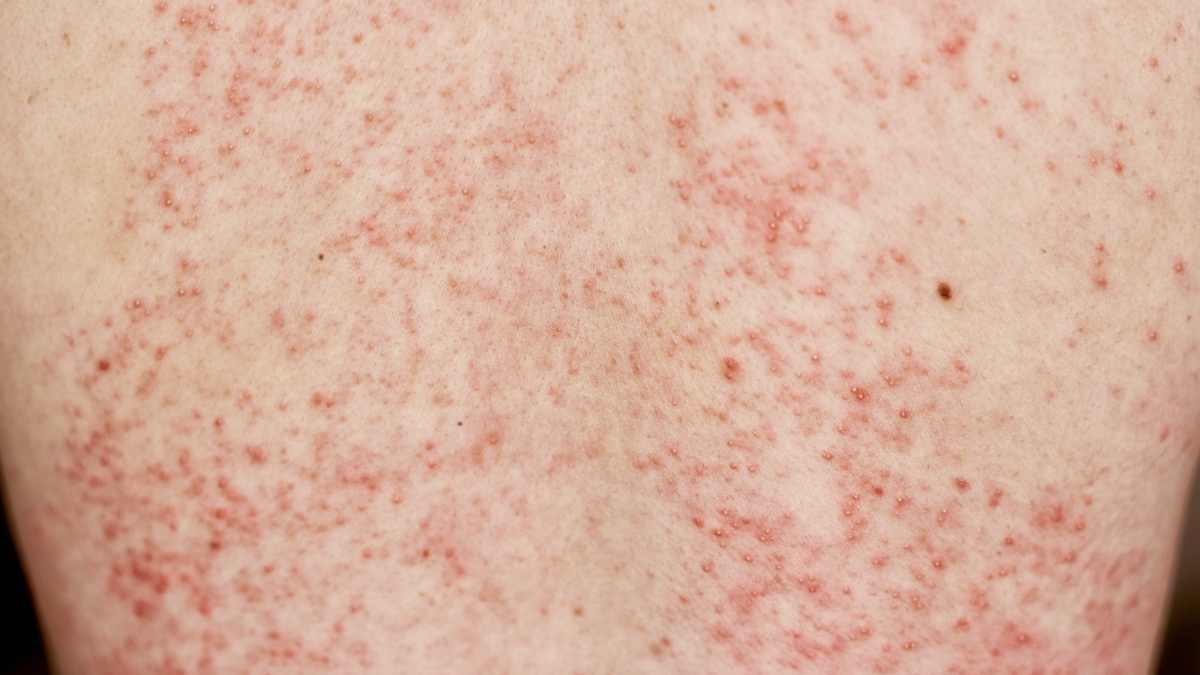
Rashes and itching are common symptoms that can arise from a multitude of underlying conditions. Understanding the various causes of these symptoms is crucial for effective diagnosis and treatment. Rashes can manifest in numerous forms, ranging from mild irritations to severe skin conditions, and can be accompanied by intense itching. This article explores the common diseases associated with rashes and itching, providing insights into their mechanisms, classifications, and implications for health.
Understanding Rashes: An Overview of Common Causes
Rashes can be defined as any change in the skin’s appearance or texture, often characterized by redness, swelling, and irritation. They can occur due to a variety of factors, including infections, allergies, or chronic skin conditions. Identifying the underlying cause of a rash is essential for appropriate management. For instance, rashes can be localized to a specific area or generalized across the body, which can provide clues about their etiology.
Environmental factors also play a significant role in the development of rashes. Exposure to irritants such as chemicals, soaps, or even extreme weather conditions can lead to contact dermatitis, a common cause of rashes. Understanding the context in which a rash appears can guide healthcare providers in determining the most likely cause. Additionally, systemic diseases such as liver dysfunction or autoimmune disorders can present with rashes as secondary symptoms.
The duration and progression of a rash are also important diagnostic considerations. Acute rashes, which develop suddenly and resolve quickly, may be indicative of infectious causes, while chronic rashes that persist for weeks or months often suggest underlying systemic issues. Healthcare professionals often utilize these characteristics to narrow down potential diagnoses.
Finally, the appearance of the rash itself—such as whether it is scaly, blistered, or raised—can provide essential information. A thorough examination and patient history are critical components in determining the nature and cause of a rash. This comprehensive approach allows for targeted treatment strategies to alleviate symptoms and address the root cause.
Mechanisms of Itching: Pathophysiology Explained
Itching, or pruritus, is a complex sensation that can significantly affect a person’s quality of life. The sensation of itch is primarily mediated by specific nerve fibers in the skin that respond to various stimuli. These nerve fibers transmit signals to the brain, where they are interpreted as an itch sensation. Understanding the underlying mechanisms of itching can help elucidate why certain diseases present with this symptom.
Several factors can trigger itch sensations, including inflammation, dryness, and the release of histamines. In inflammatory conditions, such as eczema or psoriasis, the skin becomes irritated and inflamed, leading to the activation of itch-sensitive nerve fibers. This process can create a cycle of scratching that exacerbates the rash and prolongs discomfort.
Moreover, psychological factors can also contribute to the sensation of itching. Stress and anxiety can amplify the perception of itch, leading to a vicious cycle of scratching and worsening skin conditions. This interplay between psychological and physiological factors highlights the importance of a holistic approach to treatment. Effective management may require addressing both the physical symptoms and the underlying psychological triggers.
Finally, certain systemic conditions, such as liver disease or kidney failure, can lead to generalized itching without a visible rash. In such cases, the itch may be caused by the accumulation of toxins in the bloodstream, which can stimulate nerve endings in the skin. Understanding the diverse mechanisms of itching is crucial for developing effective treatment strategies for affected individuals.
Infectious Diseases Associated with Rash and Itching
Infectious diseases are among the most common causes of rashes and itching. Viral infections such as chickenpox, measles, and herpes can lead to distinctive rashes that are often accompanied by intense itching. These infections typically present with systemic symptoms, such as fever, fatigue, and malaise, in addition to the characteristic rashes. Early recognition and management are vital to prevent complications and reduce transmission.
Bacterial infections, such as impetigo or cellulitis, can also present with rashes and itching. Impetigo, for instance, is a highly contagious skin infection that often begins as red sores, which can ooze and crust over. The associated itching can lead to scratching, which may worsen the infection and facilitate its spread. Prompt antibiotic treatment is essential to manage bacterial infections effectively.
Fungal infections, including ringworm and candidiasis, frequently cause rashes characterized by itching and redness. These infections thrive in warm, moist environments, and their presentation can vary based on the affected area. Treatment typically involves antifungal medications and good hygiene practices to prevent recurrence.
Parasitic infections, such as scabies and lice infestations, are notorious for causing intense itching and rashes. Scabies, caused by the Sarcoptes scabiei mite, leads to a distinctive rash that often appears between the fingers and in skin folds. Effective treatment requires topical or oral antiparasitic medications, as well as thorough cleaning of clothing and bedding to eliminate the infestation.
Autoimmune Disorders: Rashes as Key Symptoms
Autoimmune disorders are characterized by the immune system mistakenly attacking the body’s own tissues, leading to inflammation and damage. Many autoimmune conditions, such as lupus and psoriasis, present with rashes as prominent symptoms. In lupus, for example, a butterfly-shaped rash across the cheeks and nose is a hallmark sign that can help in diagnosis.
Psoriasis is another autoimmune disorder that manifests as red, scaly patches on the skin, often accompanied by itching. The underlying pathophysiology involves an overactive immune response that accelerates skin cell turnover, resulting in the characteristic plaques. Treatment often includes topical therapies, phototherapy, and systemic medications aimed at modulating the immune response.
Other autoimmune conditions, such as dermatomyositis and scleroderma, can also present with distinctive rashes. Dermatomyositis is characterized by a heliotrope rash on the eyelids and a rash on the knuckles, while scleroderma can cause thickened skin and changes in pigmentation. Recognizing these rashes is crucial for early diagnosis and management of these potentially debilitating conditions.
The management of autoimmune rashes typically involves immunosuppressive therapies aimed at reducing inflammation and preventing further skin damage. A multidisciplinary approach, including dermatologists and rheumatologists, is often necessary to provide comprehensive care. Understanding the relationship between autoimmune disorders and skin manifestations is essential for improving patient outcomes.
Allergic Reactions: Identifying Rash-Inducing Agents
Allergic reactions are a common cause of rashes and itching, often resulting from exposure to allergens. Common allergens include certain foods, medications, and environmental triggers such as pollen or pet dander. The immune system’s exaggerated response to these substances can lead to various skin manifestations, including hives, eczema, and contact dermatitis.
Contact dermatitis occurs when the skin comes into direct contact with an allergen, resulting in localized redness, swelling, and itching. Common culprits include nickel, fragrances, and certain plants like poison ivy. Identifying and avoiding these triggers is crucial for managing symptoms and preventing recurrences.
Food allergies can also lead to systemic reactions, including rashes and itching. Common food allergens include peanuts, tree nuts, shellfish, and dairy. In some cases, these reactions can be severe and require immediate medical attention, highlighting the importance of recognizing and managing food allergies effectively.
In diagnosing allergic reactions, healthcare providers often rely on patient history and may perform skin tests or blood tests to identify specific allergens. Once identified, avoidance strategies and appropriate treatment plans can be implemented to mitigate symptoms and improve quality of life. Understanding the role of allergens in rash development is essential for effective management.
Dermatological Conditions: Common Rashes and Their Etiology
Dermatological conditions encompass a wide range of skin disorders that can present with rashes and itching. Conditions such as eczema, psoriasis, and dermatitis are among the most prevalent. Eczema, or atopic dermatitis, is characterized by dry, itchy patches of skin that can become inflamed and infected if scratched.
Psoriasis, as previously mentioned, is a chronic autoimmune condition that leads to the rapid turnover of skin cells, resulting in thick, scaly plaques. The etiology of psoriasis involves a combination of genetic and environmental factors, making it a complex condition to manage. Treatment often includes topical therapies, systemic medications, and lifestyle modifications to reduce triggers.
Seborrheic dermatitis is another common condition that can cause rashes and itching, particularly on oily areas of the skin such as the scalp and face. This condition is often associated with an overgrowth of yeast and can be exacerbated by stress and hormonal changes. Treatment typically involves medicated shampoos and topical antifungal agents.
Other dermatological conditions, such as urticaria (hives) and rosacea, can also present with rashes and itching. Urticaria is characterized by raised, itchy welts on the skin, often triggered by allergens or stress, while rosacea presents with facial redness and visible blood vessels. Understanding the diverse range of dermatological conditions is essential for accurate diagnosis and effective treatment.
Conclusions:
Rashes and itching can arise from a multitude of diseases, each with its own underlying mechanisms and treatment strategies. From infectious diseases to autoimmune disorders, the causes of these symptoms are diverse and complex. Accurate diagnosis is essential for effective management, and healthcare providers must consider a comprehensive range of factors, including patient history, clinical presentation, and potential allergens. By understanding the various conditions associated with rashes and itching, individuals can seek appropriate care and improve their quality of life.
Read more
- American Academy of Dermatology – A comprehensive resource for dermatological conditions, providing information on symptoms, treatments, and prevention strategies.
- Mayo Clinic – Skin Rash – An informative overview of skin rashes, including potential causes and treatment options.
- National Eczema Association – A dedicated resource for understanding eczema, its triggers, and management strategies.
- Centers for Disease Control and Prevention (CDC) – Itching and Rashes – A guide to understanding infectious diseases that can cause itching and rashes.
- WebMD – Skin Rashes – A user-friendly resource that discusses various types of skin rashes, their causes, and treatments.