

Introduction:
Allergic reactions can manifest in various ways, and one of the most visible signs is a rash. Understanding what an allergic reaction rash looks like is crucial for timely diagnosis and treatment. Allergic reactions occur when the immune system responds to a substance (allergen) as if it were harmful, leading to inflammation and other symptoms. Rashes associated with allergies can vary in appearance, severity, and duration, making it essential to recognize their characteristics. This article will delve into the symptoms of allergic reactions, the types of rashes they can cause, and how to differentiate them from other skin conditions.
Understanding Allergic Reactions: An Overview of Symptoms
Allergic reactions can produce a wide range of symptoms, which may vary based on the individual’s sensitivity and the type of allergen involved. Common symptoms include itching, redness, swelling, and hives. These symptoms can occur shortly after exposure to an allergen or may be delayed, complicating the identification of the trigger. In some cases, allergic reactions can also lead to more severe symptoms, such as difficulty breathing, gastrointestinal issues, or even anaphylaxis, a life-threatening condition.
The skin is often the first area to show signs of an allergic reaction, as it is directly exposed to allergens. In addition to rashes, individuals may experience flushing or dermatitis, which can further indicate an allergic response. Understanding the full spectrum of symptoms is essential for recognizing when a rash may be indicative of an underlying allergic reaction rather than a simple skin irritation.
Rashes resulting from allergic reactions can be acute or chronic. Acute reactions typically occur within minutes to hours after exposure, while chronic reactions may develop over time, often due to prolonged exposure to an allergen. Identifying the timing of the rash in relation to allergen exposure can provide valuable clues for diagnosis and management.
In summary, allergic reactions can present a variety of symptoms, with skin rashes being among the most common. Recognizing these symptoms early can lead to more effective treatment and management of the condition.
Common Types of Rashes Associated with Allergic Reactions
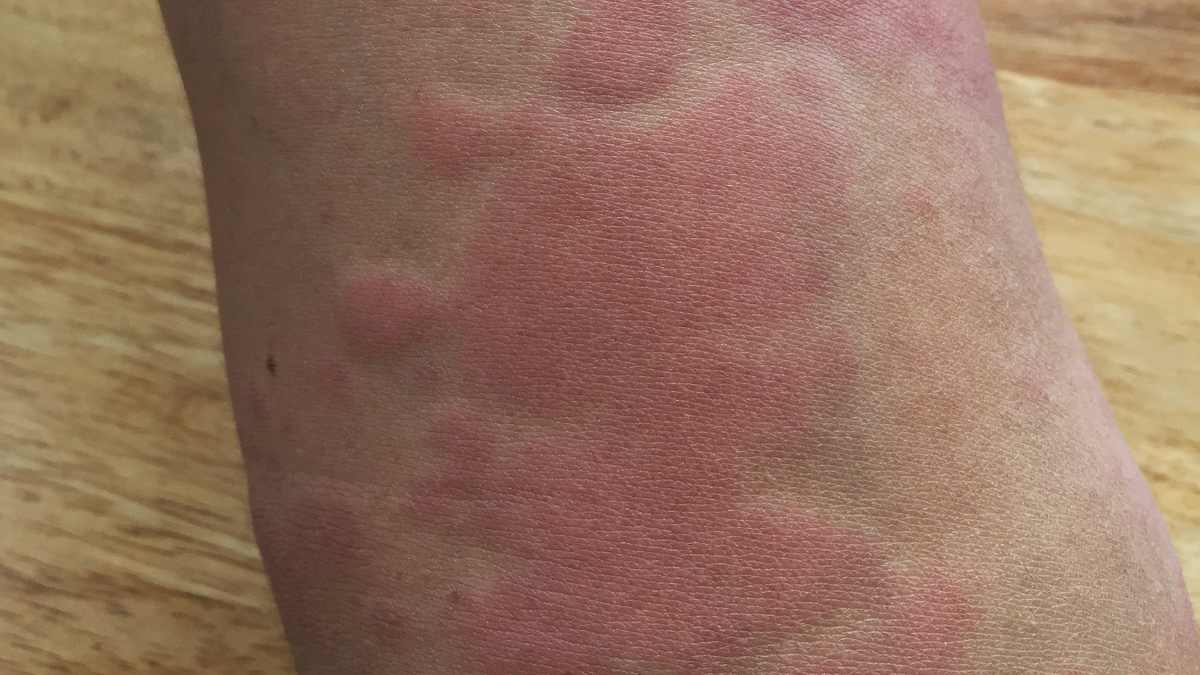
There are several common types of rashes associated with allergic reactions. One of the most prevalent is urticaria, commonly known as hives. Hives appear as raised, itchy welts on the skin and can vary in size and shape. They often come and go quickly and can be triggered by various allergens, including foods, medications, and insect stings.
Another common type of allergic rash is contact dermatitis, which occurs when the skin comes into direct contact with an allergen. This type of rash typically appears at the site of contact and can present as red, itchy, and inflamed skin. Common triggers for contact dermatitis include poison ivy, certain metals (like nickel), and various chemicals found in personal care products.
Eczema, or atopic dermatitis, is another skin condition that can be exacerbated by allergens. While eczema is often chronic, flare-ups can be triggered by environmental allergens such as pollen, pet dander, and dust mites. The rash associated with eczema is usually dry, scaly, and may be accompanied by intense itching.
Lastly, angioedema is a deeper swelling often associated with hives. It can occur around the eyes, lips, and throat, and while it may not always present as a rash, it is a significant allergic reaction that requires immediate medical attention. Understanding these common types of rashes is essential for proper identification and treatment.
Visual Characteristics of Allergic Reaction Rashes Explained
The visual characteristics of rashes resulting from allergic reactions can vary significantly. Hives, for instance, are typically raised, red, and can appear in clusters. They may change shape and size rapidly and often come with a burning or itching sensation. The welts can vary in color, from pale to bright red, depending on the individual’s skin tone and the severity of the reaction.
Contact dermatitis often presents as a red, inflamed area with possible blisters or weeping. The rash is usually localized to the area of contact with the allergen, and it may develop a crusty appearance if scratched excessively. The skin can also become dry and flaky as the rash heals.
In cases of eczema, the rash may appear as dry, scaly patches that can be red or brownish in color. The affected areas are often itchy and may become thickened or leathery over time due to chronic scratching. Eczema rashes can also be more pronounced in skin folds, such as behind the knees or inside the elbows.
Angioedema may not always present as a traditional rash but rather as significant swelling beneath the skin. The affected areas may appear shiny and can be painful. Understanding these visual characteristics is crucial for identifying allergic reaction rashes and differentiating them from other skin conditions.
Distinguishing Allergic Rashes from Other Skin Conditions
Distinguishing allergic rashes from other skin conditions can be challenging due to the overlapping symptoms. For instance, psoriasis can resemble allergic rashes, presenting as red, scaly patches. However, psoriasis is typically characterized by well-defined borders and silvery scales, whereas allergic rashes tend to be more irregular and diffuse.
Fungal infections, such as ringworm, can also mimic allergic reactions. Fungal rashes often have a distinct ring-like appearance with a clearer center, while allergic rashes do not usually exhibit this pattern. Additionally, fungal infections may not respond to antihistamines, which are commonly used to treat allergic reactions.
Acne can sometimes be confused with allergic rashes, particularly if the acne is inflamed. However, acne typically presents as comedones (blackheads and whiteheads) and may not be itchy. Allergic rashes, on the other hand, usually come with significant itching and may evolve rapidly.
Finally, viral rashes, such as those caused by infections like chickenpox or measles, can also be mistaken for allergic reactions. Viral rashes often have a more systemic component, including fever and malaise, which are typically absent in allergic reactions. Understanding these distinctions is vital for accurate diagnosis and appropriate treatment.
Diagnostic Approaches for Identifying Allergic Rashes
Diagnosing allergic rashes begins with a thorough patient history and physical examination. Healthcare providers will often ask about the timing of the rash in relation to allergen exposure, as well as any accompanying symptoms. This information is crucial for identifying potential triggers and determining the type of allergic reaction.
In some cases, skin prick tests or patch tests may be employed to identify specific allergens. Skin prick tests involve placing a small amount of allergen on the skin and pricking it to see if a reaction occurs. Patch tests, on the other hand, involve applying allergens to the skin for a set period to observe delayed reactions.
Blood tests can also be useful in diagnosing allergies. These tests measure the presence of specific IgE antibodies in response to allergens, providing insight into the body’s immune response. However, blood tests may not always correlate with clinical symptoms, making them a complementary tool rather than a definitive diagnostic method.
Ultimately, a combination of clinical evaluation, patient history, and diagnostic testing is often necessary to accurately identify allergic rashes. This comprehensive approach helps ensure that the underlying cause of the rash is addressed effectively.
Treatment Options and Management for Allergic Skin Reactions
Treatment for allergic rashes typically begins with avoiding the identified allergen. This is the most effective way to prevent further reactions and manage symptoms. In cases where avoidance is not possible, over-the-counter antihistamines can help alleviate itching and discomfort associated with rashes.
For more severe reactions, topical corticosteroids may be prescribed to reduce inflammation and itching. These medications can be applied directly to the affected area and are effective for conditions like contact dermatitis and eczema. In cases of widespread or severe rashes, oral corticosteroids may be necessary.
In addition to medications, moisturizers and emollients can help soothe dry, irritated skin and promote healing. Keeping the skin hydrated is especially important for individuals with eczema or chronic allergic reactions. Patients are often encouraged to establish a regular skincare routine to maintain skin health.
For those with recurrent or severe allergic reactions, immunotherapy may be considered. This treatment involves gradually desensitizing the immune system to specific allergens through controlled exposure. It can be an effective long-term solution for managing allergies and preventing future reactions.
Conclusions:
Recognizing and understanding allergic reaction rashes is essential for effective diagnosis and treatment. By familiarizing oneself with the symptoms, types of rashes, and visual characteristics, individuals can take proactive steps in managing their allergies. Early identification and appropriate treatment can significantly improve quality of life and prevent complications associated with allergic reactions.
Read more
- American Academy of Allergy, Asthma & Immunology (AAAAI) – A comprehensive resource for information on allergies, including symptoms and treatment options.
- Mayo Clinic – Allergic Reactions – Detailed information on allergic reactions, including symptoms and management strategies.
- National Institute of Allergy and Infectious Diseases (NIAID) – A government resource that provides research-based information on allergies and allergic reactions.
- WebMD – Allergies – A user-friendly guide to understanding allergies, their symptoms, and treatment options.
- Cleveland Clinic – Skin Rashes – An overview of various skin rashes, including those caused by allergic reactions, with visual aids and treatment suggestions.