
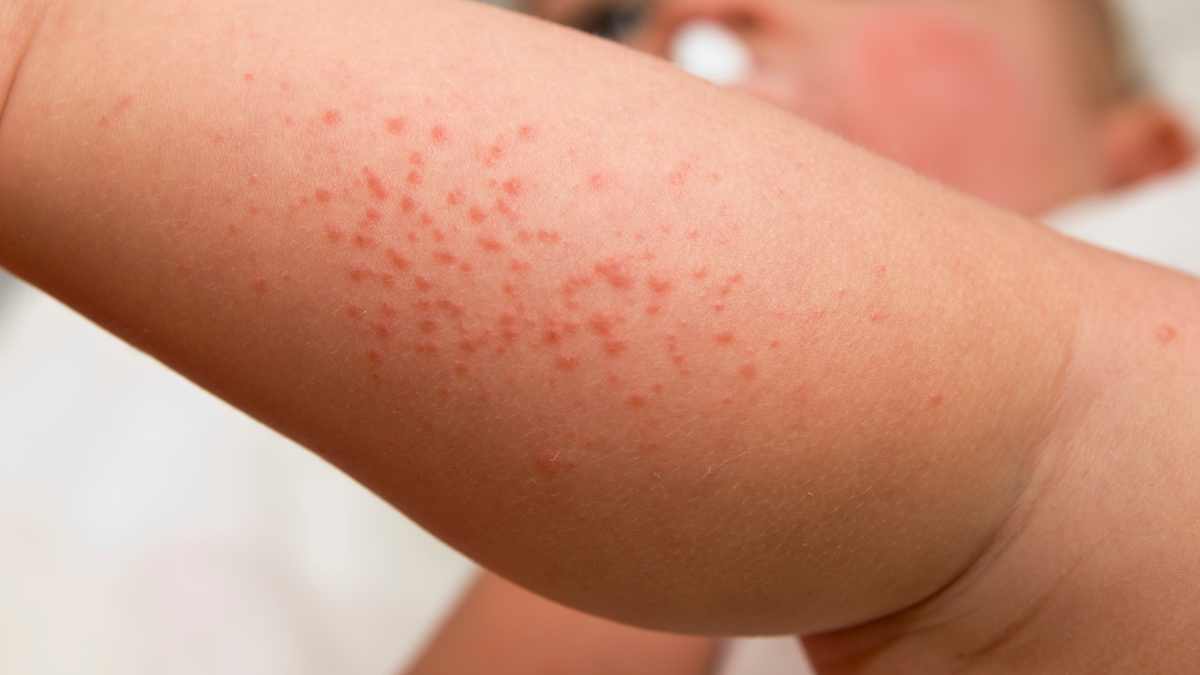

Introduction:
Allergies are a common health issue that can manifest in various ways, one of the most visible being an allergy rash. These rashes can arise from a variety of allergens, including food, medications, and environmental factors. Understanding the characteristics of allergy rashes is crucial for effective management and treatment. This article delves into the symptoms, types, visual identification, diagnostic approaches, and treatment options related to allergy rashes.
Understanding Allergy Rashes: An Overview of Symptoms
Allergy rashes typically present as skin reactions following exposure to allergens. Common symptoms include redness, itching, swelling, and the formation of hives or welts. These rashes can appear suddenly after contact with an allergen, or they may develop gradually over time. The intensity of the symptoms can vary based on the individual’s sensitivity and the type of allergen involved.
In many cases, allergy rashes are accompanied by other allergic symptoms, such as sneezing, nasal congestion, or gastrointestinal issues. Systemic reactions can occur in severe cases, leading to anaphylaxis, which is a medical emergency. Recognizing the symptoms early can help prevent complications and facilitate timely treatment.
The duration of an allergy rash can also vary. Some rashes may resolve within a few hours, while others can persist for days or even weeks. Chronic exposure to allergens may lead to recurrent rashes, making it essential to identify and avoid triggers. Understanding these symptoms helps in differentiating allergy rashes from other skin conditions.
In summary, allergy rashes are characterized by specific symptoms that can significantly impact an individual’s quality of life. Early recognition and understanding of these symptoms are crucial steps in managing allergic reactions effectively.
Common Types of Allergy Rashes and Their Characteristics
There are several types of allergy rashes, each with unique characteristics. Contact dermatitis is one of the most common forms, resulting from direct contact with an irritant or allergen. It typically appears as red, itchy patches on the skin and may develop blisters in more severe cases. Common triggers include poison ivy, nickel, and certain cosmetics.
Urticaria, or hives, is another prevalent type of allergy rash. It presents as raised, itchy welts that can vary in size and shape. Hives can occur anywhere on the body and may be triggered by foods, medications, or insect stings. The welts often fade and reappear, making them particularly distressing for those affected.
Eczema, or atopic dermatitis, is a chronic condition that can be exacerbated by allergens. It is characterized by dry, itchy patches that may become inflamed and crusted. While eczema is not solely an allergic reaction, allergens can trigger flare-ups, leading to significant discomfort and skin damage.
Lastly, angioedema is a deeper swelling that often accompanies hives. It typically affects the face, lips, and throat and can be serious if it obstructs breathing. Recognizing these different types of allergy rashes is essential for effective management and treatment.
Visual Identification: Key Features of Allergy Rashes
Visual identification of allergy rashes is crucial for accurate diagnosis and treatment. Redness is a hallmark feature, often accompanied by swelling and inflammation. The affected area may feel warm to the touch, indicating an inflammatory response. Observing the color and texture of the rash can provide valuable information about its nature.
The presence of hives is another key visual indicator. These raised welts can appear suddenly and vary in size, often resembling mosquito bites. Hives may also change shape and location, which can be indicative of an ongoing allergic reaction. The itchiness associated with hives is often intense, prompting individuals to scratch, which can lead to further skin irritation.
In cases of contact dermatitis, the rash may exhibit blisters or weeping lesions, particularly if the skin has been severely irritated. The distribution of the rash is often localized to the area of contact with the allergen, making it easier to identify the trigger. Conversely, hives and eczema can be more widespread, affecting multiple areas of the body.
Finally, the duration and evolution of the rash are important visual cues. Allergy rashes may change over time, with some fading while new lesions appear. Monitoring these changes can assist healthcare providers in determining the appropriate course of action for treatment.
Distinguishing Allergy Rashes from Other Skin Conditions
Differentiating allergy rashes from other skin conditions is essential for effective treatment. Psoriasis, for instance, is often confused with allergic reactions due to its red, scaly patches. However, psoriasis typically presents with well-defined borders and silvery scales, whereas allergy rashes tend to be more diffuse and may not have a distinct edge.
Another condition that can mimic allergy rashes is eczema, which can also cause red, itchy skin. However, eczema is often chronic and may be accompanied by dry, flaky patches. Allergy rashes, on the other hand, usually arise acutely following exposure to an allergen and may resolve quickly once the allergen is removed.
Fungal infections can also present with similar symptoms, particularly in warm, moist areas of the body. These infections often have a distinct ring-like appearance and may be accompanied by scaling, which is not typical of allergy rashes. A thorough examination and sometimes laboratory testing are necessary to differentiate between these conditions.
Lastly, bacterial infections can cause rashes that resemble allergic reactions. These infections may present with redness, warmth, and pus-filled lesions. Unlike allergy rashes, bacterial infections often require antibiotic treatment. Understanding these distinctions is crucial for appropriate management and care.
Diagnostic Approaches for Allergy Rash Evaluation
When evaluating an allergy rash, healthcare providers typically begin with a comprehensive medical history. Patient interviews help identify potential allergens and the timing of rash onset. This information is critical for narrowing down possible triggers and guiding further diagnostic steps.
Physical examinations are also essential in assessing the rash’s characteristics, such as its appearance, location, and distribution. Providers may look for signs of secondary infection or other skin conditions that could complicate the diagnosis. In some cases, a patch test may be conducted to determine specific allergens responsible for contact dermatitis.
For more complex cases, blood tests can be employed to identify specific IgE antibodies associated with allergic reactions. This testing can help confirm or rule out allergies to certain substances, providing a clearer picture of the underlying cause of the rash. Skin prick tests may also be used to assess immediate allergic responses.
Ultimately, a thorough diagnostic approach is essential for accurately identifying the cause of an allergy rash. This process enables healthcare providers to develop effective treatment plans tailored to the individual’s needs.
Treatment Options and Management Strategies for Allergy Rashes
Treatment for allergy rashes typically begins with avoiding the identified allergens. This is the most effective way to prevent future outbreaks. Patients are encouraged to keep a diary of their symptoms to help identify triggers and avoid them in the future.
Topical treatments are often used to alleviate symptoms. Corticosteroid creams can reduce inflammation and itching, while antihistamines can help control allergic reactions. In cases of severe itching, oral corticosteroids may be prescribed for short-term use to manage symptoms effectively.
For chronic conditions like eczema, moisturizers play a crucial role in maintaining skin hydration and preventing flare-ups. Patients are advised to apply emollients regularly, especially after bathing, to lock in moisture and protect the skin barrier.
In some cases, immunotherapy may be considered for long-term management of allergies. This treatment involves gradually exposing the individual to increasing amounts of the allergen to build tolerance over time. While this approach may not be suitable for everyone, it can be effective for certain types of allergies.
Conclusions:
Allergy rashes can significantly impact an individual’s quality of life, making it essential to understand their characteristics and management strategies. By recognizing the symptoms, types, and visual features of allergy rashes, individuals can take proactive steps to avoid triggers and seek appropriate treatment. Early diagnosis and tailored management plans can alleviate discomfort and prevent complications associated with allergy rashes.
Read more
- American Academy of Dermatology – Contact Dermatitis – Comprehensive information on contact dermatitis, including symptoms, causes, and treatment options.
- Mayo Clinic – Hives (Urticaria) – Detailed overview of hives, including causes, symptoms, and management strategies.
- National Eczema Association – Eczema – Resources and information about eczema, its types, and effective management techniques.
- American Academy of Allergy, Asthma & Immunology – Allergy Testing – Insights into various allergy testing methods and their significance in diagnosis.
- Cleveland Clinic – Angioedema – Information on angioedema, including causes, symptoms, and treatment options.