
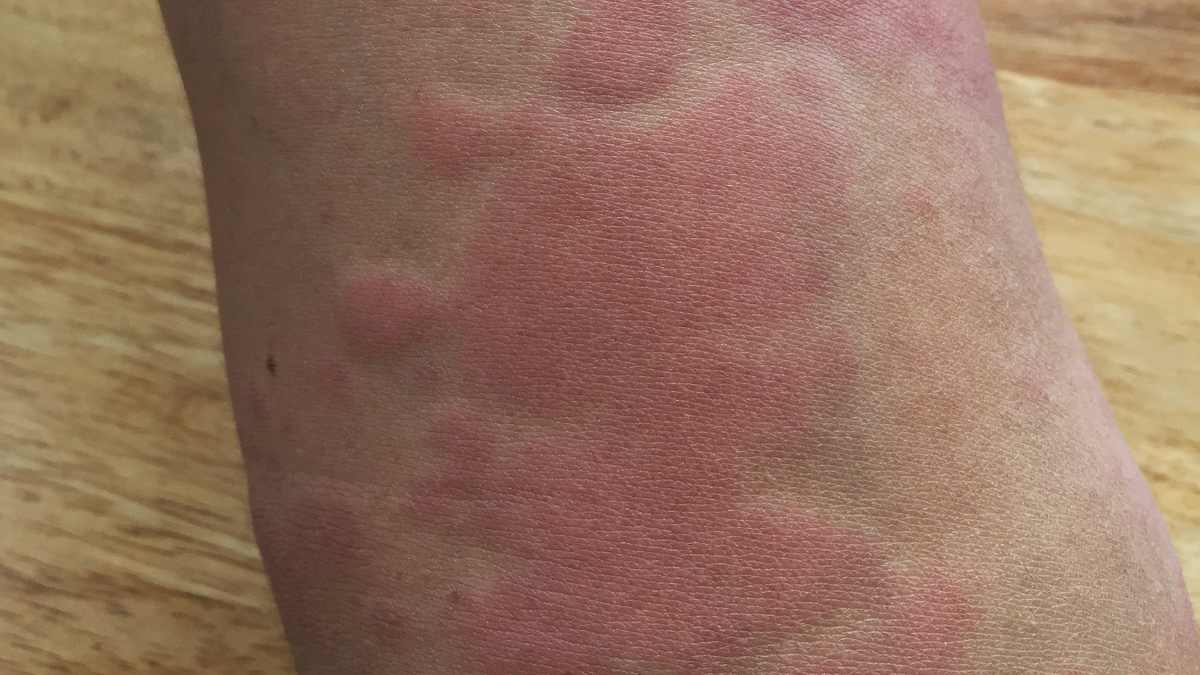

Introduction:
Heat rash, also known as miliaria, is a common skin condition that occurs when sweat ducts become blocked, leading to the accumulation of sweat beneath the skin. This condition typically arises in hot and humid environments, particularly during the summer months or in situations where individuals are physically active. While heat rash is generally harmless and resolves on its own, its symptoms can sometimes resemble those of other skin conditions. Understanding the characteristics of heat rash and differentiating it from other rashes is crucial for effective management and treatment.
Understanding Heat Rash: Symptoms and Characteristics
Heat rash is characterized by small, red, and itchy bumps that can appear on various parts of the body, particularly in areas where sweat accumulates, such as the neck, armpits, and groin. The rash may also manifest as clear blisters or red spots, depending on the severity of the blockage in the sweat glands. Itching and discomfort are common, and the rash often worsens with continued exposure to heat and humidity.
The condition typically arises when the body overheats, either due to environmental factors or physical exertion. In infants, heat rash can occur due to their immature sweat glands, which are not fully developed. Recognizing the symptoms of heat rash is essential for individuals to take appropriate measures, such as moving to a cooler environment, wearing loose-fitting clothing, and applying cool compresses to alleviate discomfort.
Heat rash is generally self-limiting and resolves once the individual cools down and the sweat glands regain their normal function. However, it is important to monitor the rash closely, as persistent symptoms may indicate a different underlying condition. Understanding the typical presentation of heat rash can help individuals make informed decisions about their skin health and when to seek medical advice.
In summary, heat rash is characterized by small, itchy bumps that appear in response to overheating and sweat accumulation. While it is usually harmless, being aware of its symptoms and characteristics allows individuals to differentiate it from other skin conditions that may require different treatment approaches.
Common Rashes Confused with Heat Rash
Several skin conditions can mimic the appearance of heat rash, leading to potential misdiagnosis. Understanding these rashes is vital for effective treatment and management. One common condition that may be confused with heat rash is contact dermatitis, which occurs when the skin reacts to an irritant or allergen. This rash can present similarly to heat rash, with red, itchy bumps, but it is usually accompanied by swelling and may develop blisters.
Another condition that may be mistaken for heat rash is folliculitis, which is an inflammation of the hair follicles. Folliculitis can cause red bumps and pustules that resemble those seen in heat rash, but it typically occurs in areas where hair follicles are present and may be accompanied by tenderness or pain. Differentiating these conditions requires careful observation of the rash’s location, appearance, and associated symptoms.
Impetigo is another skin condition that can be confused with heat rash, particularly in children. This bacterial infection presents as red sores that can ooze and crust over, often occurring around the mouth and nose. Unlike heat rash, impetigo is contagious and requires medical treatment. Recognizing the differences between these conditions is crucial for proper management.
In conclusion, various skin rashes can be confused with heat rash, including contact dermatitis, folliculitis, and impetigo. Understanding the distinct characteristics and symptoms of these conditions is essential for accurate diagnosis and appropriate treatment.
Contact Dermatitis: A Potential Misdiagnosis
Contact dermatitis is a common skin condition that occurs when the skin comes into contact with an irritant or allergen. This condition can present with red, itchy bumps that may resemble heat rash, making it a potential misdiagnosis. Identifying the source of irritation is crucial for effective management. Common irritants include soaps, lotions, and certain fabrics, while allergens may include nickel, fragrances, and certain plants.
The rash associated with contact dermatitis typically appears in areas where the skin has been directly exposed to the irritant or allergen. Unlike heat rash, which often occurs in areas prone to sweating, contact dermatitis can develop anywhere on the body. Observing the distribution of the rash can provide important clues for differentiation.
In addition to redness and itching, contact dermatitis may also cause swelling, blistering, and crusting. These symptoms can help distinguish it from heat rash, which is primarily characterized by small bumps and itching. Treatment for contact dermatitis often involves avoiding the irritant or allergen, applying topical corticosteroids, and using antihistamines to alleviate itching.
In summary, while contact dermatitis can be mistaken for heat rash due to its similar appearance, careful observation of the rash’s location, associated symptoms, and history of exposure can aid in accurate diagnosis and appropriate treatment.
Folliculitis: Identifying the Distinct Features
Folliculitis is an inflammatory condition affecting the hair follicles, leading to the development of red, itchy bumps that can resemble heat rash. However, there are distinct features that can help differentiate folliculitis from heat rash. Folliculitis typically occurs in areas where hair is present, such as the scalp, beard area, and legs, and may be accompanied by tenderness or pain.
The bumps associated with folliculitis often appear as small pus-filled blisters, which can crust over and lead to scarring if not treated properly. In contrast, heat rash is primarily characterized by small, clear, or red bumps without pus. Understanding these differences is essential for accurate diagnosis and treatment.
Folliculitis can be caused by a variety of factors, including bacterial infections, fungal infections, and irritation from shaving or friction. Identifying the underlying cause is crucial for effective management. Treatment may involve topical or oral antibiotics, antifungal medications, or simply avoiding irritants.
In conclusion, while folliculitis can resemble heat rash, its distinct features, including location, associated symptoms, and potential causes, can help differentiate the two conditions and guide appropriate treatment.
Impetigo: Recognizing Signs Beyond Heat Rash
Impetigo is a highly contagious bacterial skin infection that can often be mistaken for heat rash, particularly in children. It typically presents as red sores that can ooze and crust over, often occurring around the mouth and nose. Unlike heat rash, which is primarily characterized by small, itchy bumps, impetigo can lead to more severe symptoms, including pain and swelling.
The sores associated with impetigo can vary in appearance, from small blisters to larger, weeping lesions. They may also be surrounded by redness and can spread rapidly if left untreated. Recognizing these signs is crucial for differentiating impetigo from heat rash, especially in children who are more susceptible to infections.
Treatment for impetigo typically involves topical or oral antibiotics, depending on the severity of the infection. Prompt medical evaluation is essential to prevent complications and limit the spread of infection to others. In contrast, heat rash generally resolves on its own with self-care measures, such as cooling the skin and avoiding further heat exposure.
In summary, while impetigo can be confused with heat rash due to its appearance, the presence of weeping sores, pain, and rapid spread are key indicators that differentiate the two conditions. Recognizing these signs is essential for effective treatment and management.
When to Seek Professional Evaluation for Skin Rashes
While many skin rashes, including heat rash, can be managed at home, there are certain situations where professional evaluation is necessary. If a rash persists for more than a few days, worsens, or is accompanied by additional symptoms such as fever, swelling, or significant pain, it is important to seek medical advice. These symptoms may indicate a more serious underlying condition that requires treatment.
Additionally, if a rash is suspected to be contagious, such as impetigo, it is crucial to consult a healthcare professional to prevent the spread of infection to others. Prompt evaluation and treatment can help mitigate complications and ensure appropriate care.
Individuals with compromised immune systems or underlying health conditions should also seek professional evaluation for any new or unusual skin rashes. These individuals may be at a higher risk for complications and may require tailored treatment approaches.
In conclusion, while many skin rashes can be managed at home, it is essential to recognize when to seek professional evaluation. Persistent, worsening, or symptomatic rashes warrant medical attention to ensure accurate diagnosis and appropriate treatment.
Conclusions:
Differentiating heat rash from other skin conditions is essential for effective management and treatment. Understanding the characteristics of heat rash and recognizing the signs of conditions such as contact dermatitis, folliculitis, and impetigo can help individuals make informed decisions about their skin health. When in doubt, seeking professional evaluation is crucial to ensure proper care and treatment.
Read more
- Mayo Clinic – Heat Rash – Comprehensive overview of heat rash, including symptoms, causes, and treatment options.
- American Academy of Dermatology – Contact Dermatitis – Detailed information on contact dermatitis, its causes, symptoms, and treatment.
- Cleveland Clinic – Folliculitis – Insight into folliculitis, including symptoms, causes, and management strategies.
- CDC – Impetigo – Information on impetigo, its symptoms, transmission, and treatment options.
- Healthline – When to See a Doctor for Skin Rashes – Guidelines on when to seek medical attention for skin rashes, including red flags and symptoms to watch for.