

Nickel is a naturally occurring element that can be found in various foods. While it is essential for certain bodily functions, excessive intake can lead to health problems. One food that often comes under scrutiny for its nickel content is blueberries. This article will explore whether blueberries are high in nickel, the potential health implications, and how to manage nickel intake from this fruit.
Understanding Nickel Content in Foods
Nickel is a trace mineral that is present in the soil and water, and consequently, in many of the foods we eat. It is essential for the production of certain enzymes in the body, but excessive intake can lead to health issues such as dermatitis and gastrointestinal problems. The nickel content in foods can vary greatly depending on the soil and water where they are grown. Foods that are typically high in nickel include whole grains, nuts, dried fruits, and certain types of fish and shellfish.
The Relationship Between Blueberries and Nickel
Blueberries, like other fruits and vegetables, can absorb nickel from the soil they are grown in. However, the amount of nickel in blueberries can vary widely depending on the nickel content of the soil. If the soil is high in nickel, the blueberries will likely contain higher levels of this mineral. Conversely, if the soil is low in nickel, the blueberries will contain less. It’s also worth noting that the nickel content of blueberries can be influenced by factors such as the use of fertilizers and the pH level of the soil.
Are Blueberries High in Nickel? The Facts
While blueberries can contain nickel, they are not considered a high-nickel food. According to the National Institutes of Health, the average nickel content of blueberries is relatively low compared to other foods. However, this can vary depending on the factors mentioned above. If you are sensitive to nickel or have been advised to follow a low-nickel diet, it’s important to be aware that blueberries, like any other food, can contribute to your overall nickel intake.
Potential Health Implications of Nickel in Blueberries
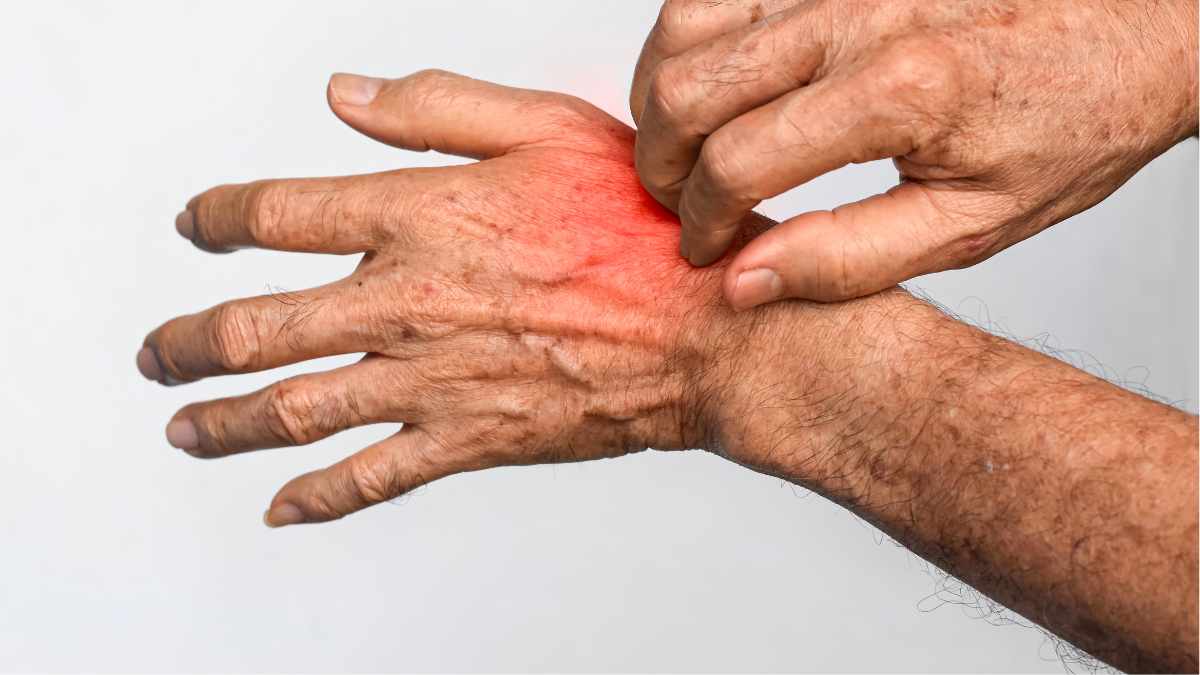
For most people, the nickel content of blueberries is unlikely to cause health problems. However, for those who are sensitive to nickel or have a nickel allergy, consuming foods with higher nickel content can cause symptoms such as skin rashes, itching, redness, and swelling. In severe cases, it can lead to systemic contact dermatitis, a condition characterized by skin inflammation. It’s important to note that nickel sensitivity is relatively rare, and most people can consume blueberries without any adverse effects.
How to Manage Nickel Intake from Blueberries
If you are sensitive to nickel, there are several strategies you can use to manage your nickel intake from blueberries. First, consider buying organic blueberries, as these are typically grown in soil with lower nickel content. Second, you can reduce your overall nickel intake by limiting your consumption of high-nickel foods and beverages. Finally, if you are highly sensitive to nickel, you may want to consider consulting a dietitian or nutritionist for personalized advice.
Final Thoughts: Balancing Nutrition and Nickel Intake
While it’s important to be aware of the nickel content in foods, it’s also crucial to remember that blueberries are a highly nutritious fruit. They are rich in antioxidants, fiber, and vitamin C, and can provide numerous health benefits. For most people, the benefits of consuming blueberries far outweigh the potential risks associated with nickel intake. However, if you have a known nickel sensitivity or allergy, it’s important to manage your intake carefully.
In conclusion, while blueberries can contain nickel, they are not considered a high-nickel food. For most people, the nickel content in blueberries is unlikely to cause health problems. However, those with a nickel sensitivity or allergy should be aware of their overall nickel intake and consider strategies to manage it. Despite the nickel content, blueberries remain a highly nutritious and beneficial fruit to include in a balanced diet.
Per approfondire:
- National Institutes of Health: Nickel: Provides detailed information on nickel, its role in the body, and its presence in foods.
- American Academy of Dermatology: Nickel Allergy: Offers insights into the symptoms and management of nickel allergies.
- Oregon State University: Micronutrient Information Center: Provides comprehensive information on nickel, including its function in the body and dietary sources.
- The Journal of Nutrition: Nickel in the Human Diet: An academic study exploring the presence of nickel in various foods.
- Healthline: Low Nickel Diet: Offers practical advice for following a low-nickel diet.