

Se hai un abbonamento attivo ACCEDI QUI
Introduction:
Gastric bypass surgery is a significant medical procedure aimed at aiding individuals in their weight loss journey. However, eligibility for this surgery is often determined by specific criteria, primarily focused on Body Mass Index (BMI). For individuals with a BMI of 33, questions arise regarding their candidacy for this type of bariatric surgery. This article delves into the criteria for gastric bypass surgery, the role of BMI, medical guidelines, associated risks and benefits, alternative weight loss options, and the importance of consulting healthcare professionals.
Understanding the Criteria for Gastric Bypass Surgery
Gastric bypass surgery is typically recommended for individuals who struggle with obesity and related health issues. The primary criterion for eligibility is a BMI of 40 or higher, or a BMI of 35 or higher accompanied by obesity-related health conditions, such as type 2 diabetes, hypertension, or sleep apnea. However, the criteria can vary based on individual circumstances and the specific protocols of healthcare facilities.
In addition to BMI, candidates must demonstrate a commitment to lifestyle changes post-surgery. This includes adhering to dietary guidelines and engaging in regular physical activity. Psychological evaluations may also be conducted to ensure that candidates are mentally prepared for the changes that come with the surgery.
Furthermore, candidates must have attempted other weight loss methods, such as diet and exercise, without success. This requirement is crucial, as gastric bypass is a significant intervention that carries risks and necessitates a lifelong commitment to health management.
Ultimately, while BMI is a critical factor, a comprehensive evaluation of an individual’s overall health, lifestyle, and readiness for surgery is essential in determining eligibility for gastric bypass.
Evaluating the Role of BMI in Surgical Eligibility
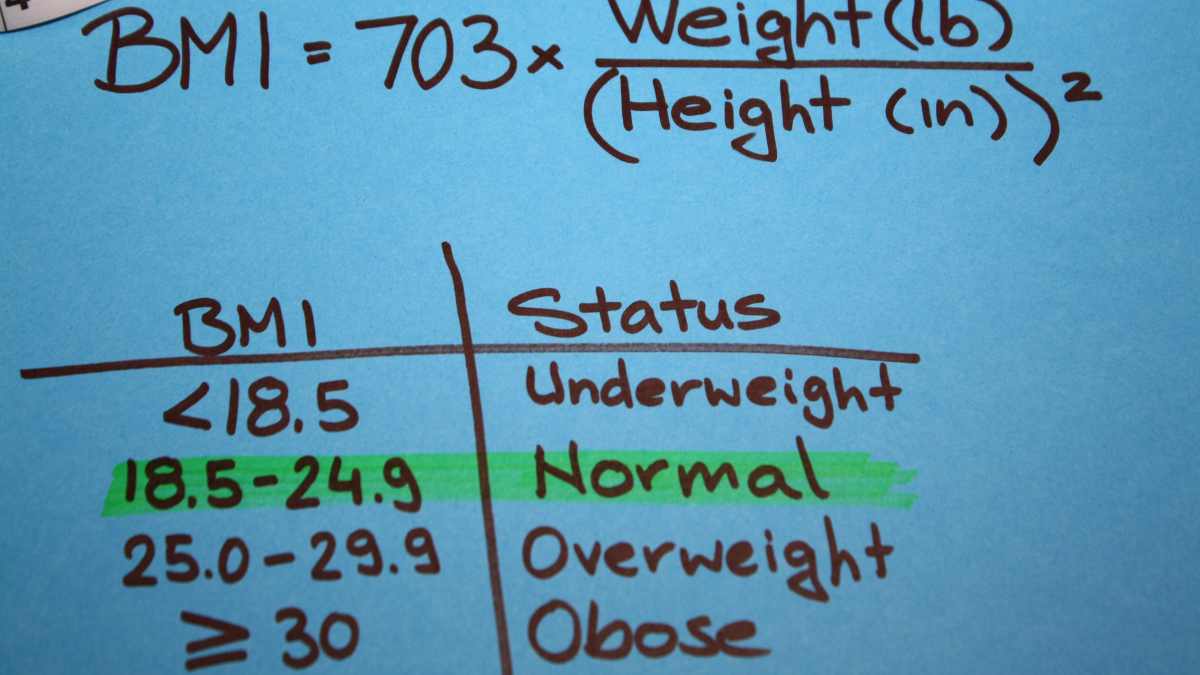
BMI serves as a primary indicator of obesity and is calculated by dividing a person’s weight in kilograms by the square of their height in meters. A BMI of 33 falls into the category of obesity, but it is on the lower end of the spectrum. This raises questions about whether individuals at this BMI should be considered for gastric bypass surgery.
Healthcare providers often use BMI as a guideline, but they also consider other factors, such as comorbidities and the individual’s overall health status. For instance, a person with a BMI of 33 who has significant obesity-related health issues may be seen as a more suitable candidate than someone with a higher BMI but fewer health concerns.
Moreover, some medical professionals advocate for a more individualized approach to assessing surgical eligibility. This perspective emphasizes the importance of a holistic evaluation that considers psychological factors, lifestyle habits, and the potential for long-term success with weight loss interventions.
Thus, while BMI is a crucial criterion, it is not the sole determinant of eligibility for gastric bypass surgery. A thorough assessment by healthcare professionals is essential to make an informed decision.
Medical Guidelines for Bariatric Surgery Candidates
The American Society for Metabolic and Bariatric Surgery (ASMBS) provides guidelines for bariatric surgery candidates, which include BMI thresholds and the presence of comorbidities. According to these guidelines, individuals with a BMI of 35 or higher are generally considered for surgery, especially if they have obesity-related health conditions.
However, the guidelines also recognize that some patients with a lower BMI may benefit from surgical intervention. For example, individuals with a BMI of 33 who have severe obesity-related health issues may qualify for gastric bypass if they demonstrate a clear understanding of the surgery’s implications and are committed to post-operative lifestyle changes.
In addition to BMI and comorbidities, the guidelines emphasize the importance of a multidisciplinary approach to patient evaluation. This includes assessments by dietitians, psychologists, and medical doctors to ensure that candidates are well-informed and prepared for the journey ahead.
Ultimately, while the guidelines provide a framework for assessing surgical eligibility, individual circumstances and the potential for improved health outcomes must be considered in each case.
Risks and Benefits of Gastric Bypass at 33 BMI
Like any surgical procedure, gastric bypass carries inherent risks, which may be more pronounced in individuals with a lower BMI. Common risks include complications from anesthesia, infection, and the potential for nutritional deficiencies post-surgery. Individuals with a BMI of 33 may have a lower risk of some complications compared to those with a higher BMI, but they still face challenges that must be addressed.
On the other hand, the benefits of gastric bypass surgery can be significant, even for those with a BMI of 33. Many patients experience substantial weight loss, which can lead to improvements in obesity-related health conditions, such as type 2 diabetes and hypertension. Additionally, successful weight loss can enhance overall quality of life and psychological well-being.
However, it is crucial for candidates to weigh these risks and benefits carefully. Discussions with healthcare professionals can provide valuable insights into the likelihood of success and the potential for complications based on individual health profiles.
In conclusion, while gastric bypass surgery can offer significant benefits, it is essential for individuals with a BMI of 33 to fully understand the risks involved and to have realistic expectations about the outcomes.
Alternative Weight Loss Options for Higher BMI Patients
For individuals with a BMI of 33, exploring alternative weight loss options may be beneficial before considering surgical intervention. Lifestyle modifications, including dietary changes and increased physical activity, can lead to significant weight loss and improve overall health.
Additionally, medically supervised weight loss programs can provide support and guidance for individuals struggling with obesity. These programs often include personalized meal plans, exercise regimens, and behavioral therapy to help individuals develop healthier habits.
Pharmacotherapy is another option for those who may not qualify for surgery. Weight loss medications can assist in reducing appetite or increasing feelings of fullness, making it easier for individuals to adhere to a weight loss plan.
Ultimately, individuals with a BMI of 33 should consider all available options and consult with healthcare professionals to determine the most appropriate course of action for their specific situation.
Consultation with Healthcare Professionals: Next Steps
Consulting with healthcare professionals is a critical step for anyone considering gastric bypass surgery, especially those with a BMI of 33. A thorough evaluation by a bariatric surgeon can provide insights into eligibility and the potential benefits and risks of the procedure.
During the consultation, individuals should be prepared to discuss their medical history, weight loss attempts, and any existing health conditions. This information will help healthcare providers assess the individual’s overall health and suitability for surgery.
Additionally, engaging with a registered dietitian can provide essential guidance on pre-operative and post-operative dietary changes. A dietitian can help develop a personalized nutrition plan that supports weight loss and overall health.
Finally, psychological evaluations may be recommended to ensure candidates are mentally prepared for the challenges of surgery and the lifestyle changes that follow. This multidisciplinary approach is essential for optimizing outcomes and ensuring that individuals are fully informed about their options.
Conclusions:
In summary, individuals with a BMI of 33 may have options regarding gastric bypass surgery, but eligibility is not solely determined by BMI. A comprehensive evaluation of health status, comorbidities, and commitment to lifestyle changes is essential. Consulting with healthcare professionals is crucial for making informed decisions about weight loss interventions and understanding the risks and benefits associated with gastric bypass.
Read more
- American Society for Metabolic and Bariatric Surgery – A comprehensive resource on guidelines and information related to bariatric surgery.
- National Institute of Diabetes and Digestive and Kidney Diseases – Provides information on obesity, weight management, and related health conditions.
- Mayo Clinic: Gastric Bypass Surgery – Offers insights into the procedure, benefits, risks, and recovery.
- Cleveland Clinic: Bariatric Surgery – Detailed information on various types of bariatric surgery and eligibility criteria.
- WebMD: Weight Loss Surgery – A resource for understanding different weight loss surgery options and considerations.