
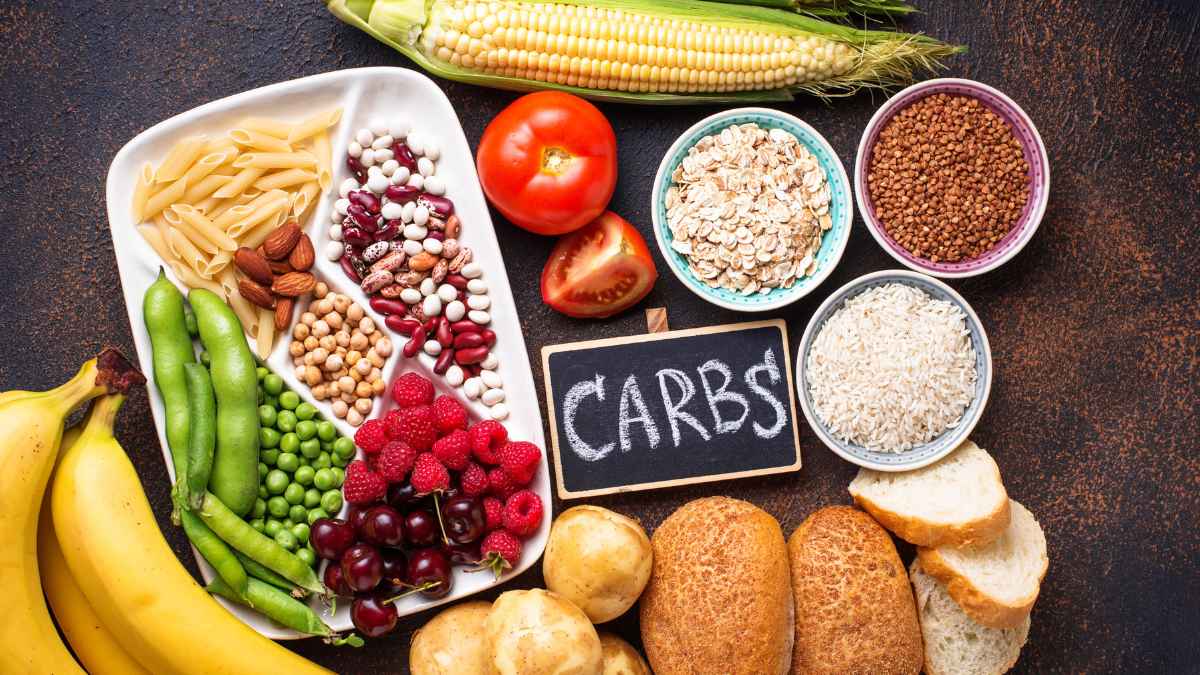

Introduction: Carbohydrate digestion is a complex and multifaceted process that begins in the mouth and continues through various stages in the digestive system. Understanding where and how carbohydrate digestion occurs is crucial for grasping how our bodies convert food into energy. This article delves into the different stages and locations of carbohydrate digestion, highlighting the role of enzymes and the importance of each digestive organ.
Introduction to Carbohydrate Digestion
Carbohydrates are one of the primary macronutrients essential for human health, providing a significant source of energy for bodily functions. The digestion of carbohydrates involves breaking down complex molecules into simpler sugars that can be absorbed and utilized by the body. This process is intricate and requires the coordinated efforts of various enzymes and digestive organs.
The journey of carbohydrate digestion begins in the mouth, where mechanical and chemical processes initiate the breakdown of food. As food travels through the digestive tract, it encounters different enzymes and conditions that facilitate further breakdown and absorption. Each stage of digestion plays a specific role, ensuring that carbohydrates are efficiently converted into glucose, the body’s primary energy source.
Understanding the stages of carbohydrate digestion is essential for appreciating how our bodies extract and utilize energy from food. It also sheds light on various digestive disorders and conditions that can affect carbohydrate metabolism. By exploring the different phases of carbohydrate digestion, we can gain insights into maintaining optimal digestive health and managing dietary choices effectively.
In this article, we will explore the role of enzymes in carbohydrate breakdown, the specific functions of the mouth, stomach, and small intestine in digestion, and the absorption process in the small intestine. Through a detailed examination of each stage, we aim to provide a comprehensive understanding of where and how carbohydrate digestion occurs.
Role of Enzymes in Carbohydrate Breakdown
Enzymes are biological catalysts that play a crucial role in the digestion of carbohydrates. They facilitate the breakdown of complex carbohydrate molecules into simpler sugars, making them easier to absorb and utilize. Without these enzymes, the digestive process would be significantly slower and less efficient.
The primary enzymes involved in carbohydrate digestion include amylase, maltase, sucrase, and lactase. Amylase, produced by the salivary glands and pancreas, initiates the breakdown of starches into maltose and dextrins. This enzyme is active in both the mouth and the small intestine, highlighting its importance in the digestive process.
Maltase, sucrase, and lactase are produced by the cells lining the small intestine. These enzymes are responsible for breaking down disaccharides into monosaccharides. Maltase converts maltose into glucose, sucrase splits sucrose into glucose and fructose, and lactase breaks down lactose into glucose and galactose. The activity of these enzymes ensures that carbohydrates are fully digested and ready for absorption.
Enzyme activity is influenced by various factors, including pH levels, temperature, and the presence of specific substrates. For instance, amylase functions optimally at a slightly alkaline pH, while stomach enzymes require an acidic environment. Understanding these conditions is essential for appreciating how enzymes contribute to efficient carbohydrate digestion.
Enzyme deficiencies can lead to digestive disorders and malabsorption issues. For example, lactase deficiency results in lactose intolerance, where individuals cannot properly digest lactose, leading to gastrointestinal symptoms. Recognizing the role of enzymes in carbohydrate digestion helps in diagnosing and managing such conditions effectively.
Carbohydrate Digestion in the Mouth
The process of carbohydrate digestion begins in the mouth, where both mechanical and chemical actions contribute to the breakdown of food. Chewing, or mastication, is the first step, involving the physical breakdown of food into smaller particles. This mechanical process increases the surface area of the food, making it more accessible to digestive enzymes.
Saliva, secreted by the salivary glands, plays a crucial role in the chemical digestion of carbohydrates in the mouth. Saliva contains the enzyme salivary amylase (also known as ptyalin), which begins the breakdown of starches into simpler sugars like maltose and dextrins. This enzymatic activity is the first step in converting complex carbohydrates into absorbable forms.
The presence of salivary amylase in the mouth means that carbohydrate digestion starts almost immediately after food enters the oral cavity. The enzyme works optimally at a neutral pH, which is maintained by the buffering action of saliva. This early stage of digestion is essential for preparing carbohydrates for further breakdown in the digestive tract.
The duration of carbohydrate digestion in the mouth is relatively short, as food is quickly swallowed and passed into the esophagus. However, the initial enzymatic activity of salivary amylase continues to act on the food bolus until it reaches the acidic environment of the stomach, where amylase activity ceases.
While the mouth plays a limited role in the overall digestion of carbohydrates, its contribution is significant in initiating the process. The combination of mechanical and enzymatic actions ensures that carbohydrates are partially broken down and ready for further digestion in the stomach and small intestine.
Stomach’s Limited Role in Carbohydrate Digestion
The stomach plays a relatively minor role in the digestion of carbohydrates compared to its functions in protein and fat digestion. The primary function of the stomach is to serve as a temporary storage site and to mix food with gastric juices, creating a semi-liquid mixture called chyme. However, the acidic environment of the stomach is not conducive to carbohydrate digestion.
The low pH of gastric juice, primarily due to hydrochloric acid, inactivates salivary amylase, halting the enzymatic breakdown of carbohydrates that began in the mouth. As a result, little to no carbohydrate digestion occurs in the stomach. The acidic conditions are more favorable for the activation of pepsin, an enzyme that digests proteins, rather than carbohydrates.
While the stomach does not contribute significantly to carbohydrate digestion, it plays an essential role in regulating the passage of food into the small intestine. The pyloric sphincter, located at the junction between the stomach and the small intestine, controls the release of chyme, ensuring that it enters the small intestine at a manageable rate for further digestion and absorption.
The mechanical churning action of the stomach helps mix the food with gastric juices, breaking it down into smaller particles. This mechanical process aids in the overall digestion of food, including carbohydrates, by increasing the surface area available for enzymatic action in the small intestine.
Although the stomach’s role in carbohydrate digestion is limited, its functions are crucial for preparing food for the next stage of digestion. By regulating the passage of chyme and mechanically breaking down food particles, the stomach sets the stage for efficient carbohydrate digestion in the small intestine.
Small Intestine: Primary Site for Digestion
The small intestine is the primary site for carbohydrate digestion and absorption. This long, coiled organ is divided into three sections: the duodenum, jejunum, and ileum. Each section plays a specific role in the digestive process, with the majority of carbohydrate digestion occurring in the duodenum and jejunum.
Pancreatic amylase, secreted by the pancreas, is the key enzyme responsible for the continued breakdown of carbohydrates in the small intestine. This enzyme acts on the partially digested carbohydrates that enter the small intestine from the stomach, converting them into disaccharides and trisaccharides. The alkaline environment of the small intestine, maintained by bicarbonate ions from pancreatic juice, is optimal for the activity of pancreatic amylase.
The cells lining the small intestine, known as enterocytes, produce additional enzymes that complete the digestion of carbohydrates. These brush border enzymes, including maltase, sucrase, and lactase, break down disaccharides into monosaccharides. For example, maltase converts maltose into glucose, sucrase splits sucrose into glucose and fructose, and lactase breaks down lactose into glucose and galactose.
The small intestine’s extensive surface area, provided by villi and microvilli, enhances its capacity for digestion and absorption. These finger-like projections increase the surface area available for enzyme activity and nutrient absorption, ensuring that carbohydrates are efficiently broken down and absorbed into the bloodstream.
The coordinated action of pancreatic amylase and brush border enzymes ensures that carbohydrates are fully digested into monosaccharides, which are the simplest forms of sugars. These monosaccharides are then ready for absorption through the intestinal lining into the bloodstream, where they can be transported to various tissues and organs for energy production.
Absorption of Carbohydrates in the Small Intestine
The absorption of carbohydrates occurs primarily in the small intestine, where monosaccharides are transported across the intestinal lining into the bloodstream. This process involves both passive and active transport mechanisms, ensuring that glucose, fructose, and galactose are efficiently absorbed.
Glucose and galactose are absorbed through active transport, which requires energy in the form of ATP. This process involves the sodium-glucose linked transporter 1 (SGLT1), which co-transports sodium ions and glucose or galactose into the enterocytes. The energy required for this process is provided by the sodium-potassium pump, which maintains a low concentration of sodium ions inside the enterocytes.
Fructose, on the other hand, is absorbed through facilitated diffusion, a passive transport mechanism that does not require energy. The glucose transporter 5 (GLUT5) facilitates the movement of fructose across the intestinal lining into the enterocytes. Once inside the enterocytes, fructose can be converted into glucose or transported directly into the bloodstream.
After absorption, monosaccharides are transported to the liver via the hepatic portal vein. The liver plays a crucial role in regulating blood glucose levels, storing excess glucose as glycogen, and releasing glucose into the bloodstream as needed. This regulation ensures that the body’s energy needs are met and that blood glucose levels remain within a healthy range.
The efficient absorption of carbohydrates in the small intestine is essential for maintaining energy balance and supporting various bodily functions. Any disruption in this process, such as enzyme deficiencies or intestinal disorders, can lead to malabsorption and related health issues.
Conclusion: Carbohydrate digestion is a complex process that involves multiple stages and organs, each playing a specific role in breaking down complex carbohydrates into simpler sugars. From the initial enzymatic activity in the mouth to the primary site of digestion and absorption in the small intestine, each phase is crucial for ensuring that carbohydrates are efficiently converted into energy. Understanding the intricacies of carbohydrate digestion can help in managing dietary choices and addressing digestive disorders effectively.
Read More…
-
National Institute of Diabetes and Digestive and Kidney Diseases (NIDDK): Carbohydrates – An authoritative source providing detailed information on the role of carbohydrates in the diet and their digestion process.
-
Harvard T.H. Chan School of Public Health: The Nutrition Source: Carbohydrates – A comprehensive guide on carbohydrates, their types, and their importance in human health.
-
Mayo Clinic: Carbohydrates: How carbs fit into a healthy diet – An informative article explaining the digestion and absorption of carbohydrates and their role in a balanced diet.
-
MedlinePlus: Carbohydrates – A reliable source offering a detailed overview of carbohydrate digestion and related health information.
-
American Diabetes Association: Understanding Carbohydrates – A resourceful link that explains carbohydrate digestion, its impact on blood sugar levels, and its relevance for individuals with diabetes.