
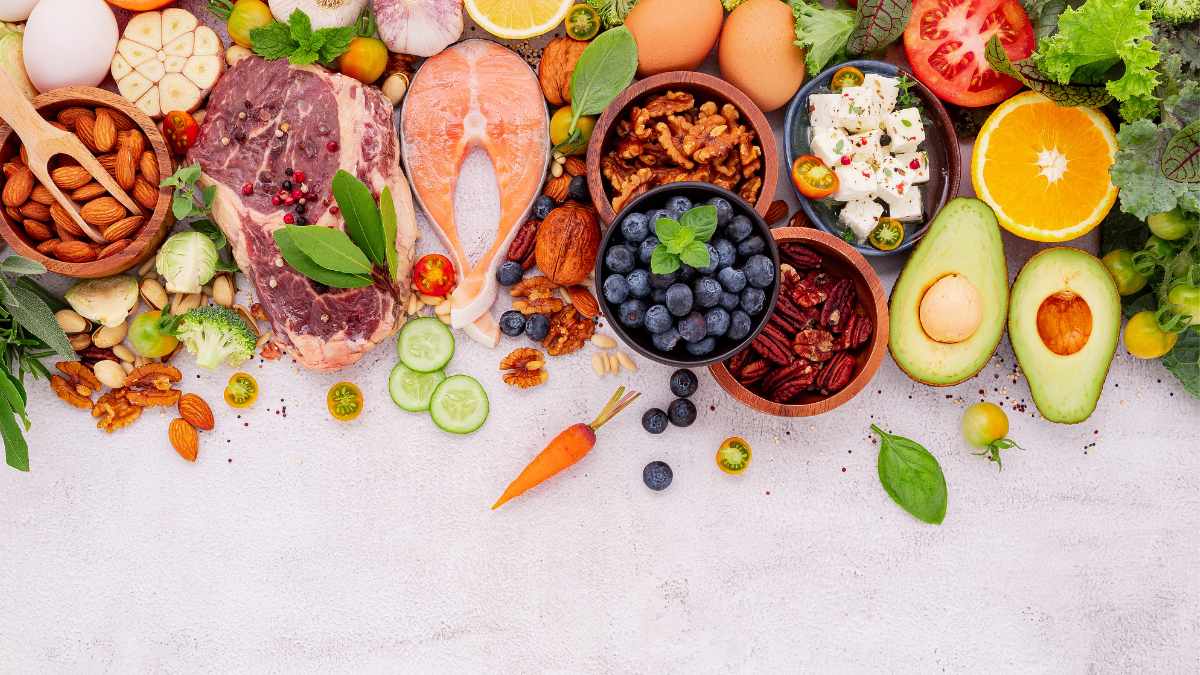

How to Implement a Ketogenic Diet Plan
Introduction:
The ketogenic diet, often referred to as the keto diet, has gained immense popularity for its potential health benefits, including weight loss, improved mental clarity, and enhanced energy levels. This low-carbohydrate, high-fat diet induces a metabolic state known as ketosis, where the body burns fat for fuel instead of carbohydrates. In this comprehensive guide, we will delve into the essential aspects of implementing a ketogenic diet plan, from understanding its basics to addressing common challenges.
Understanding the Basics of a Ketogenic Diet
The ketogenic diet is a high-fat, moderate-protein, and low-carbohydrate eating plan. The primary goal is to shift the body’s metabolism from relying on glucose (derived from carbohydrates) to burning ketones (produced from fat) for energy. This metabolic shift is known as ketosis.
To achieve ketosis, carbohydrate intake is typically limited to 20-50 grams per day. This drastic reduction in carbs forces the body to deplete its glycogen stores and start producing ketones from fat in the liver. The state of ketosis can be beneficial for weight loss, as it encourages the body to burn stored fat for energy.
The diet’s macronutrient composition generally includes about 70-75% fat, 20-25% protein, and 5-10% carbohydrates. This ratio can vary slightly depending on individual goals and needs. It’s essential to understand that not all fats are created equal; the focus should be on consuming healthy fats such as avocados, nuts, seeds, and olive oil.
The ketogenic diet also emphasizes whole, unprocessed foods. Processed foods and sugars are strictly limited, as they can spike blood sugar levels and disrupt ketosis. Instead, the diet encourages the consumption of nutrient-dense foods that support overall health and well-being.
One of the key benefits of the ketogenic diet is its potential to stabilize blood sugar levels. By minimizing carbohydrate intake, the diet can help reduce insulin spikes and improve insulin sensitivity, which is particularly beneficial for individuals with type 2 diabetes or insulin resistance.
It’s important to note that the ketogenic diet may not be suitable for everyone. Individuals with certain medical conditions, such as pancreatitis, liver disease, or gallbladder issues, should consult with a healthcare professional before starting the diet. Additionally, pregnant or breastfeeding women should seek medical advice before making significant dietary changes.
Essential Macronutrient Ratios for Ketosis
Achieving and maintaining ketosis requires careful attention to macronutrient ratios. The typical ketogenic diet consists of approximately 70-75% fat, 20-25% protein, and 5-10% carbohydrates. These ratios can be adjusted based on individual needs and goals, but the primary focus remains on high fat and low carbohydrate intake.
Fat is the cornerstone of the ketogenic diet. Healthy fat sources include avocados, nuts, seeds, coconut oil, olive oil, and fatty fish. These fats provide the necessary energy for the body to function optimally in the absence of carbohydrates.
Protein intake should be moderate. Consuming too much protein can lead to gluconeogenesis, a process where the body converts protein into glucose, potentially disrupting ketosis. Good protein sources include meat, poultry, fish, eggs, and dairy products. It’s essential to choose high-quality, minimally processed protein sources.
Carbohydrate intake should be kept very low to induce and maintain ketosis. Non-starchy vegetables such as leafy greens, broccoli, cauliflower, and zucchini are excellent choices. These vegetables are low in carbs and high in fiber, which helps maintain digestive health.
Tracking macronutrient intake is crucial for success on the ketogenic diet. Various apps and online tools can help monitor daily intake and ensure that macronutrient ratios are within the desired range. Consistency is key to achieving and maintaining ketosis.
It’s also important to stay hydrated and maintain electrolyte balance. The ketogenic diet can lead to increased water loss, so drinking plenty of water and replenishing electrolytes with foods like leafy greens, nuts, and seeds is essential.
Adjustments to macronutrient ratios may be necessary based on individual responses and goals. Some people may require slightly higher protein intake, while others may need to increase fat consumption to maintain energy levels. Regular monitoring and adjustments can help optimize the diet for individual needs.
Selecting High-Quality Ketogenic Foods
Choosing high-quality foods is paramount for the success of a ketogenic diet. The focus should be on whole, nutrient-dense foods that provide essential vitamins, minerals, and healthy fats.
Avocados are a staple in the ketogenic diet. They are rich in healthy monounsaturated fats, fiber, and potassium. Avocados can be added to salads, smoothies, or eaten on their own as a snack.
Nuts and seeds are excellent sources of healthy fats and protein. Almonds, walnuts, chia seeds, and flaxseeds are popular choices. They can be used in baking, added to salads, or consumed as snacks.
Fatty fish such as salmon, mackerel, and sardines are rich in omega-3 fatty acids, which have anti-inflammatory properties and support heart health. Including fatty fish in your diet at least twice a week is recommended.
Leafy greens and non-starchy vegetables are essential for providing fiber, vitamins, and minerals. Spinach, kale, broccoli, and cauliflower are low in carbs and can be incorporated into various dishes, from salads to stir-fries.
Healthy oils like olive oil, coconut oil, and avocado oil are important for cooking and dressing salads. These oils are stable at high temperatures and provide essential fatty acids that support overall health.
It’s crucial to avoid processed foods, sugary snacks, and refined carbohydrates. These foods can spike blood sugar levels and disrupt ketosis. Instead, focus on whole, unprocessed foods that nourish the body and support the ketogenic lifestyle.
Planning Your Daily Ketogenic Meal Schedule
Planning a daily meal schedule is essential for staying on track with a ketogenic diet. A well-structured meal plan ensures that macronutrient ratios are met and helps prevent unplanned deviations.
Breakfast can include options like scrambled eggs with avocado, a spinach and cheese omelet, or a chia seed pudding made with coconut milk. These meals are high in healthy fats and protein, providing sustained energy throughout the morning.
For lunch, consider a salad with mixed greens, grilled chicken, avocado, and a dressing made from olive oil and lemon juice. Another option is a lettuce wrap filled with turkey, cheese, and vegetables. These meals are low in carbs and high in nutrients.
Dinner can feature dishes like baked salmon with a side of roasted Brussels sprouts, a cauliflower rice stir-fry with shrimp, or a beef and vegetable stew. These meals are satisfying and provide a good balance of fats, protein, and fiber.
Snacks are an important part of the ketogenic diet to maintain energy levels and prevent hunger. Healthy snack options include nuts, cheese, olives, and hard-boiled eggs. These snacks are convenient and help keep you in ketosis.
Meal prepping can be a valuable strategy for staying on track. Preparing meals and snacks in advance ensures that you always have keto-friendly options available, reducing the temptation to reach for non-compliant foods.
It’s also important to listen to your body and adjust meal timing based on hunger and energy levels. Some people find success with intermittent fasting, where eating is restricted to a specific window of time each day. This can enhance the benefits of ketosis and support weight loss goals.
Monitoring Ketosis: Tools and Techniques
Monitoring ketosis is crucial to ensure that you are on the right track with your ketogenic diet. Several tools and techniques can help you measure ketone levels and track your progress.
Ketone urine strips are a simple and inexpensive way to test for ketones. These strips change color based on the level of ketones in your urine. While they are easy to use, they may not be as accurate as other methods, especially as the body becomes more efficient at using ketones.
Blood ketone meters are considered the gold standard for measuring ketosis. These meters measure the level of beta-hydroxybutyrate (BHB) in the blood, providing a precise indication of ketosis. Although more expensive, blood ketone meters offer the most accurate results.
Breath ketone meters are another option for monitoring ketosis. These devices measure the level of acetone in the breath, which is a byproduct of ketone production. Breath meters are non-invasive and reusable, making them a convenient choice for many individuals.
Tracking macronutrient intake is also essential for maintaining ketosis. Various apps and online tools can help you log your daily food intake and ensure that you are meeting your macronutrient goals. Consistent tracking can help you stay on track and make necessary adjustments.
Regular monitoring can help you understand how different foods and activities impact your ketone levels. This knowledge allows you to fine-tune your diet and lifestyle to achieve optimal results.
It’s important to remember that individual responses to the ketogenic diet can vary. Some people may enter ketosis more quickly than others, and factors such as exercise, stress, and sleep can influence ketone levels. Regular monitoring and adjustments can help you achieve and maintain ketosis effectively.
Addressing Common Challenges in Ketogenic Diets
While the ketogenic diet offers numerous benefits, it also comes with its own set of challenges. Understanding and addressing these challenges can help you stay on track and achieve your health goals.
One common challenge is the "keto flu," a group of symptoms that can occur when transitioning to a ketogenic diet. Symptoms may include headache, fatigue, irritability, and nausea. Staying hydrated, replenishing electrolytes, and gradually reducing carbohydrate intake can help mitigate these symptoms.
Another challenge is maintaining variety in your meals. Eating the same foods repeatedly can lead to boredom and make it difficult to stick to the diet. Experimenting with new recipes, trying different vegetables, and incorporating various protein sources can keep your meals interesting and enjoyable.
Social situations can also pose challenges. Dining out or attending social gatherings may make it difficult to find keto-friendly options. Planning ahead, researching restaurant menus, and bringing your own keto-friendly dishes to events can help you stay compliant.
Cravings for high-carb foods can be another obstacle. Finding keto-friendly alternatives to your favorite foods, such as cauliflower rice instead of regular rice or zucchini noodles instead of pasta, can help satisfy cravings without disrupting ketosis.
It’s also important to ensure adequate nutrient intake. The restrictive nature of the ketogenic diet can sometimes lead to deficiencies in certain vitamins and minerals. Including a variety of nutrient-dense foods and considering supplementation can help address this issue.
Lastly, maintaining motivation and consistency can be challenging, especially during the initial stages of the diet. Setting clear goals, tracking progress, and seeking support from online communities or a healthcare professional can help you stay motivated and committed to your ketogenic journey.
Conclusion:
Implementing a ketogenic diet plan requires a thorough understanding of its principles, careful planning, and consistent monitoring. By focusing on high-quality foods, maintaining the right macronutrient ratios, and addressing common challenges, you can successfully achieve and sustain ketosis. Remember that individual responses to the diet can vary, so regular monitoring and adjustments are key to optimizing your results. With dedication and the right approach, the ketogenic diet can be a powerful tool for improving your health and well-being.
Read More…
- Healthline: Ketogenic Diet 101 – A comprehensive guide to the ketogenic diet, including its benefits, risks, and practical tips for implementation.
- Diet Doctor: Ketogenic Diet for Beginners – An in-depth resource for beginners, offering meal plans, recipes, and detailed explanations of the ketogenic diet.
- Ruled.me: The Ketogenic Diet – A step-by-step guide to starting and maintaining a ketogenic diet, with a focus on practical advice and scientific explanations.
- Perfect Keto: Keto Diet Guide – An informative guide covering the basics of the ketogenic diet, including macronutrient ratios, food lists, and common challenges.
- Verywell Fit: Ketogenic Diet Overview – An overview of the ketogenic diet, discussing its benefits, potential side effects, and tips for success.