

How to Set Up a Ketogenic Diet: Project Invictus
Introduction
The ketogenic diet, commonly known as the keto diet, has gained substantial popularity for its potential benefits in weight loss, mental clarity, and overall health. However, embarking on a keto journey requires a thorough understanding of its principles and meticulous planning. This article will guide you through setting up a ketogenic diet, covering essential macronutrients, calculating daily caloric intake, selecting the right foods, monitoring ketone levels, and avoiding common pitfalls. Let’s dive into the specifics of how to successfully implement a ketogenic diet.
Introduction to the Ketogenic Diet Principles
The ketogenic diet is a high-fat, moderate-protein, and low-carbohydrate diet designed to shift the body’s metabolism from relying on glucose as its primary energy source to utilizing ketones produced from fat. This metabolic state is known as ketosis. The primary goal of the keto diet is to reduce carbohydrate intake significantly, typically to less than 50 grams per day, and increase fat consumption to about 70-80% of total daily calories.
Achieving ketosis involves depleting the body’s glycogen stores, which forces the liver to produce ketones from fatty acids. These ketones then serve as an alternative energy source for the brain and other tissues. This metabolic shift can lead to various health benefits, including improved insulin sensitivity, enhanced mental focus, and reduced inflammation.
The keto diet’s effectiveness lies in its ability to stabilize blood sugar levels and promote fat loss. By minimizing carbohydrate intake, the body experiences fewer insulin spikes, leading to more stable energy levels and reduced hunger. Additionally, the increased fat intake helps maintain satiety, making it easier to adhere to the diet.
It’s essential to understand that the keto diet is not a one-size-fits-all approach. Individual responses to the diet can vary based on factors such as genetics, activity level, and overall health. Therefore, it’s crucial to tailor the diet to your specific needs and goals.
Before starting a ketogenic diet, it’s advisable to consult with a healthcare professional, especially if you have any underlying medical conditions or are taking medications. This ensures that the diet is safe and appropriate for your individual circumstances.
Essential Macronutrients for a Keto Diet
The success of a ketogenic diet hinges on the careful balance of macronutrients: fats, proteins, and carbohydrates. Each of these macronutrients plays a crucial role in achieving and maintaining ketosis.
Fats: As the cornerstone of the keto diet, fats should constitute approximately 70-80% of your daily caloric intake. Healthy fat sources include avocados, olive oil, coconut oil, nuts, seeds, and fatty fish. These fats provide sustained energy and help keep you feeling full and satisfied.
Proteins: Protein intake should be moderate, accounting for about 20-25% of your daily calories. It’s essential to consume enough protein to support muscle maintenance and repair but not so much that it interferes with ketosis. Good protein sources include meat, poultry, eggs, and low-carb dairy products.
Carbohydrates: Carbohydrate intake should be kept very low, typically under 50 grams per day, to ensure the body remains in ketosis. Focus on non-starchy vegetables like leafy greens, broccoli, and cauliflower, which provide essential nutrients without excess carbs.
Balancing these macronutrients requires careful planning and tracking. Many people find it helpful to use a food diary or a mobile app to monitor their daily intake and ensure they stay within their target ranges.
It’s also important to pay attention to the quality of the macronutrients. Opt for whole, unprocessed foods whenever possible, and avoid trans fats and highly processed oils. This not only supports ketosis but also promotes overall health and well-being.
Hydration is another critical aspect of the keto diet. As the body shifts to using ketones for energy, it can lead to increased water loss. Ensure you drink plenty of water and consider supplementing with electrolytes to maintain proper hydration and prevent imbalances.
Calculating Your Daily Caloric Intake
Determining your daily caloric intake is a fundamental step in setting up a ketogenic diet. This calculation ensures that you consume the right amount of calories to meet your energy needs while promoting ketosis and supporting your health goals.
To calculate your daily caloric intake, start by determining your Basal Metabolic Rate (BMR), which is the number of calories your body needs to maintain basic physiological functions at rest. Various online calculators can help you estimate your BMR based on factors such as age, gender, weight, and height.
Once you have your BMR, factor in your activity level to determine your Total Daily Energy Expenditure (TDEE). This accounts for the calories burned through physical activity and exercise. Multiply your BMR by an activity factor that corresponds to your lifestyle, ranging from sedentary to very active.
Next, decide whether you want to lose, maintain, or gain weight. If your goal is weight loss, create a caloric deficit by consuming fewer calories than your TDEE. A common approach is to reduce your caloric intake by 500-750 calories per day, which can lead to a safe and sustainable weight loss of about 1-1.5 pounds per week.
For those aiming to maintain their current weight, consuming calories equal to your TDEE is appropriate. If you want to gain weight, create a caloric surplus by consuming more calories than your TDEE, typically increasing intake by 250-500 calories per day.
Once you have determined your daily caloric intake, distribute these calories according to the macronutrient ratios of the keto diet: 70-80% from fats, 20-25% from proteins, and 5-10% from carbohydrates. This ensures you stay within the parameters needed to achieve and maintain ketosis.
Regularly reassess your caloric needs and adjust as necessary based on changes in weight, activity level, and overall progress. This dynamic approach helps you stay on track and achieve your desired outcomes.
Selecting the Right Foods for Ketosis
Choosing the right foods is crucial for achieving and maintaining ketosis. The focus should be on whole, nutrient-dense foods that align with the macronutrient ratios of the ketogenic diet.
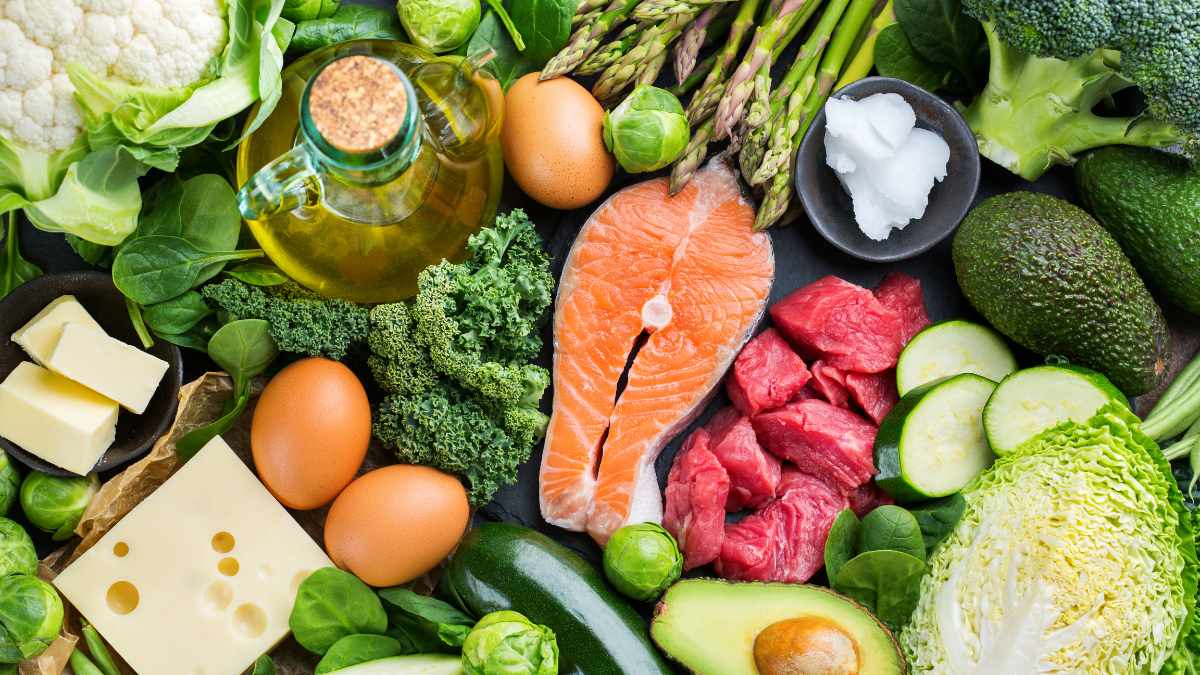
Healthy Fats: Incorporate a variety of healthy fats into your diet, such as avocados, olive oil, coconut oil, butter, ghee, nuts, seeds, and fatty fish like salmon and mackerel. These fats provide essential fatty acids and help keep you satiated.
Proteins: Opt for high-quality protein sources, including grass-fed meat, pasture-raised poultry, eggs, and wild-caught fish. These options provide essential amino acids and support muscle maintenance and repair.
Low-Carb Vegetables: Focus on non-starchy vegetables that are low in carbohydrates but high in fiber and nutrients. Examples include leafy greens, broccoli, cauliflower, zucchini, and bell peppers. These vegetables add volume to your meals without significantly impacting your carb intake.
Dairy Products: Choose full-fat dairy products like cheese, heavy cream, and Greek yogurt. These options are lower in carbs and higher in fats, making them suitable for a keto diet. However, be mindful of portion sizes to avoid excessive protein intake.
Nuts and Seeds: Incorporate nuts and seeds such as almonds, walnuts, chia seeds, and flaxseeds. These provide healthy fats, fiber, and essential nutrients. However, they can be calorie-dense, so moderation is key.
Beverages: Stay hydrated with water, herbal teas, and bone broth. Avoid sugary drinks and limit alcohol consumption, as it can interfere with ketosis and add unnecessary calories.
When selecting foods, it’s essential to read labels carefully and be aware of hidden sugars and carbs. Many processed foods contain added sugars and unhealthy fats that can derail your progress. Opt for whole, unprocessed foods whenever possible.
Meal planning and preparation can also help you stay on track. Plan your meals and snacks in advance to ensure you have keto-friendly options readily available. This reduces the temptation to reach for high-carb convenience foods.
Monitoring Ketone Levels and Progress
Monitoring your ketone levels and overall progress is essential for ensuring that you are effectively following the ketogenic diet and achieving your desired outcomes. There are several methods to measure ketone levels and track your progress.
Urine Ketone Strips: These strips measure the presence of acetoacetate, a type of ketone, in your urine. They are an affordable and easy-to-use option for beginners. However, urine ketone levels can vary based on hydration status and may not provide the most accurate measure of ketosis over time.
Blood Ketone Meters: Blood ketone meters measure the level of beta-hydroxybutyrate (BHB) in your blood, providing a more accurate and reliable assessment of ketosis. This method involves a small finger prick to obtain a blood sample. While more expensive than urine strips, blood ketone meters are considered the gold standard for monitoring ketosis.
Breath Ketone Analyzers: These devices measure the level of acetone, another type of ketone, in your breath. They offer a non-invasive and reusable option for monitoring ketosis. However, breath ketone analyzers can be less precise than blood ketone meters.
In addition to monitoring ketone levels, track other indicators of progress, such as weight, body measurements, and overall well-being. Keep a journal to record your daily food intake, exercise, and any changes in energy levels, mood, and cognitive function.
Regularly reviewing your progress helps you identify patterns and make necessary adjustments to your diet and lifestyle. If you notice a plateau or a decline in progress, consider re-evaluating your macronutrient ratios, caloric intake, and food choices.
It’s important to remember that achieving and maintaining ketosis is a dynamic process that may require ongoing adjustments. Be patient and consistent, and don’t be discouraged by temporary setbacks.
Common Pitfalls and How to Avoid Them
Embarking on a ketogenic diet can be challenging, and there are several common pitfalls that can hinder your progress. Being aware of these potential obstacles and knowing how to avoid them can help you stay on track.
Not Tracking Macros: Failing to track your macronutrient intake can lead to imbalances that prevent ketosis. Use a food diary or mobile app to monitor your daily intake and ensure you stay within your target ranges for fats, proteins, and carbohydrates.
Hidden Carbs: Many processed foods contain hidden sugars and carbs that can derail your progress. Always read labels carefully and opt for whole, unprocessed foods whenever possible. Be cautious with condiments, sauces, and packaged snacks, as they often contain added sugars.
Electrolyte Imbalance: As the body shifts to using ketones for energy, it can lead to increased water loss and electrolyte imbalances. Ensure you stay hydrated and consider supplementing with electrolytes, such as sodium, potassium, and magnesium, to prevent symptoms like headaches, fatigue, and muscle cramps.
Overeating Protein: Consuming too much protein can interfere with ketosis, as excess protein can be converted into glucose through a process called gluconeogenesis. Stick to moderate protein intake and focus on high-quality sources.
Lack of Variety: Eating the same foods repeatedly can lead to nutrient deficiencies and diet fatigue. Incorporate a variety of keto-friendly foods to ensure you get a wide range of nutrients and keep your meals interesting.
Neglecting Fiber: A low-carb diet can sometimes lead to reduced fiber intake, which can cause digestive issues. Include plenty of non-starchy vegetables, nuts, and seeds to ensure you get enough fiber.
By being mindful of these common pitfalls and taking proactive steps to avoid them, you can increase your chances of success on the ketogenic diet. Remember that consistency and patience are key, and don’t hesitate to seek support from a healthcare professional or a registered dietitian if needed.
Conclusion
Setting up a ketogenic diet requires careful planning and a thorough understanding of its principles. By focusing on the essential macronutrients, calculating your daily caloric intake, selecting the right foods, monitoring ketone levels, and avoiding common pitfalls, you can successfully achieve and maintain ketosis. Remember that individual responses to the keto diet can vary, so it’s important to tailor the diet to your specific needs and goals. With dedication and consistency, the ketogenic diet can offer numerous health benefits and support your overall well-being.
Read More…
- Diet Doctor: Ketogenic Diet for Beginners – A comprehensive guide to starting a ketogenic diet, including meal plans, recipes, and tips for success.
- Healthline: Ketogenic Diet 101 – An in-depth article covering the basics of the keto diet, its benefits, and how to get started.
- Ruled.me: The Ketogenic Diet Explained – A detailed resource on the science behind the keto diet, including macronutrient breakdowns and food lists.
- Perfect Keto: Ultimate Guide to the Ketogenic Diet – A thorough guide to understanding and implementing the keto diet, with practical tips and advice.
- Verywell Fit: Ketogenic Diet Overview – An overview of the ketogenic diet, its potential benefits, and considerations for those looking to start the diet.